Monday, May 15, 2023

Classics: A Review of The Pursuit of Happiness By Lauren Ennis

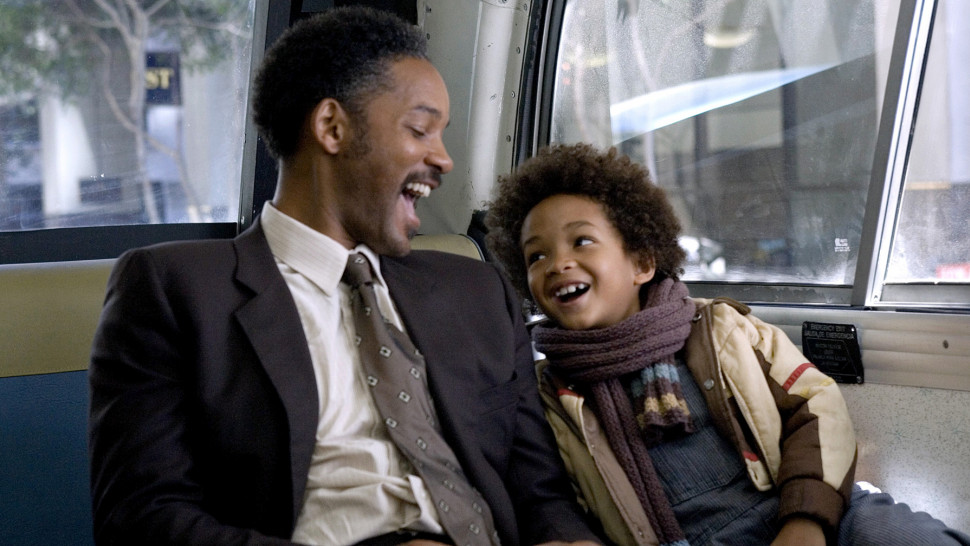
How far would you go for your family? This is the question that lies at the heart of the 2006 drama The Pursuit of Happyness. Through its depiction of one man's struggle to protect and provide for his son the film presents a portrait of fatherhood at its most selfless. In its portrayal of its unique story the film pays universal tribute to the self-sacrifice, and love that define fatherhood. This father's day bond with your father over The Pursuit of Happyness.
Like father, like son

Based upon the autobiography of stockbroker Chris Gardner, the film relates a tale of one man's journey from poverty to prosperity. The film begins with Gardner struggling to make ends meet meet selling medical scanners that most hospitals deem an unnecessary luxury. Despite his best efforts he, his wife, Linda, and their young son, Christopher, continue to live a 'hand to mouth' existence. Their financial struggles strain the couple's marriage until Linda finally walks out, leaving Chris to raise his son alone. As Chris' finances continue to deteriorate he and Christopher face eviction and finally homelessness. When Chris is offered an internship at prestigious brokerage firm Dean Witter Reynolds he recognizes the unpaid position for the opportunity that it is. Through the ensuing months he is determined to prove himself as both an employee and a father as he struggles to balance his work and family responsibilities, all while navigating life in the shelter system. 

The depiction of Chris' journey to Hell and back for the sake of his son makes The Pursuit of Happyness a perennial crowd pleaser and prime Father's Day viewing. The film expertly highlights both the bond that exists between Chris and Christopher and the lengths to which Chris will go to protect this bond. In this way, the film ensures that audiences are just as invested in the pair's relationship as they are in Chris' struggles. The focus upon the bond between the two additionally ensures that even those who have never stepped foot in a homeless shelter will relate to Chris' journey and appreciate just how high the stakes of his pursuit of happiness truly are.  Some critics have contended that the film places too high of an emphasis upon Chris' pursuit of wealth, but those critics have missed the point of the film. While Chris' journey does include his struggle to earn an income in order to provide a healthy and stable life for his son, his success is not one that can be measured in dollars and cents. Instead, his success is best measured in terms of the love that motivated him to achieve it and the happiness that it brought to the most important person in his life; his young son. For a film that you and your dad can both enjoy make an investment in The Pursuit of Happyness, but make sure that you invest in a box of Kleenex while you're at it.


Chris Gardner's real life story is brought to vibrant life thank to the stellar work of its cast. Brian Howe exudes likeability at Chris' unlikely ally and boss, Jay Twistle. Thandiwe Newton personifies world weariness as Chris' wife, Linda. Jaden Smith proves himself to be more than just another child actor in a performance that combines a raw emotion, depth, and sincerity that belies his young years as Christopher. Even in the midst of superior supporting performances the film belongs to Will Smith as Chris. In Smith's hands Gardner is more than just one man and is instead an everyman in which all of us can see ourselves. As a result, viewers are certain to be rooting for him on every step of his pursuit of happiness. 

At once an apt portrayal of one man's journey and a universal story of the power of family The Pursuit of Happyness is well worth pursuing. Through its unflinching script the film brilliantly brings Gardner's harrowing journey from rags to riches to the screen. The film's real life characters are vividly brought to life thanks to the expert work of its cast. This Father's Day kick back with some grilling and flip your remote onto The Pursuit of Happyness.

"This part right here...this is called happiness"


Wednesday, May 3, 2023

Classics: A Review of The Letter By Lauren Ennis

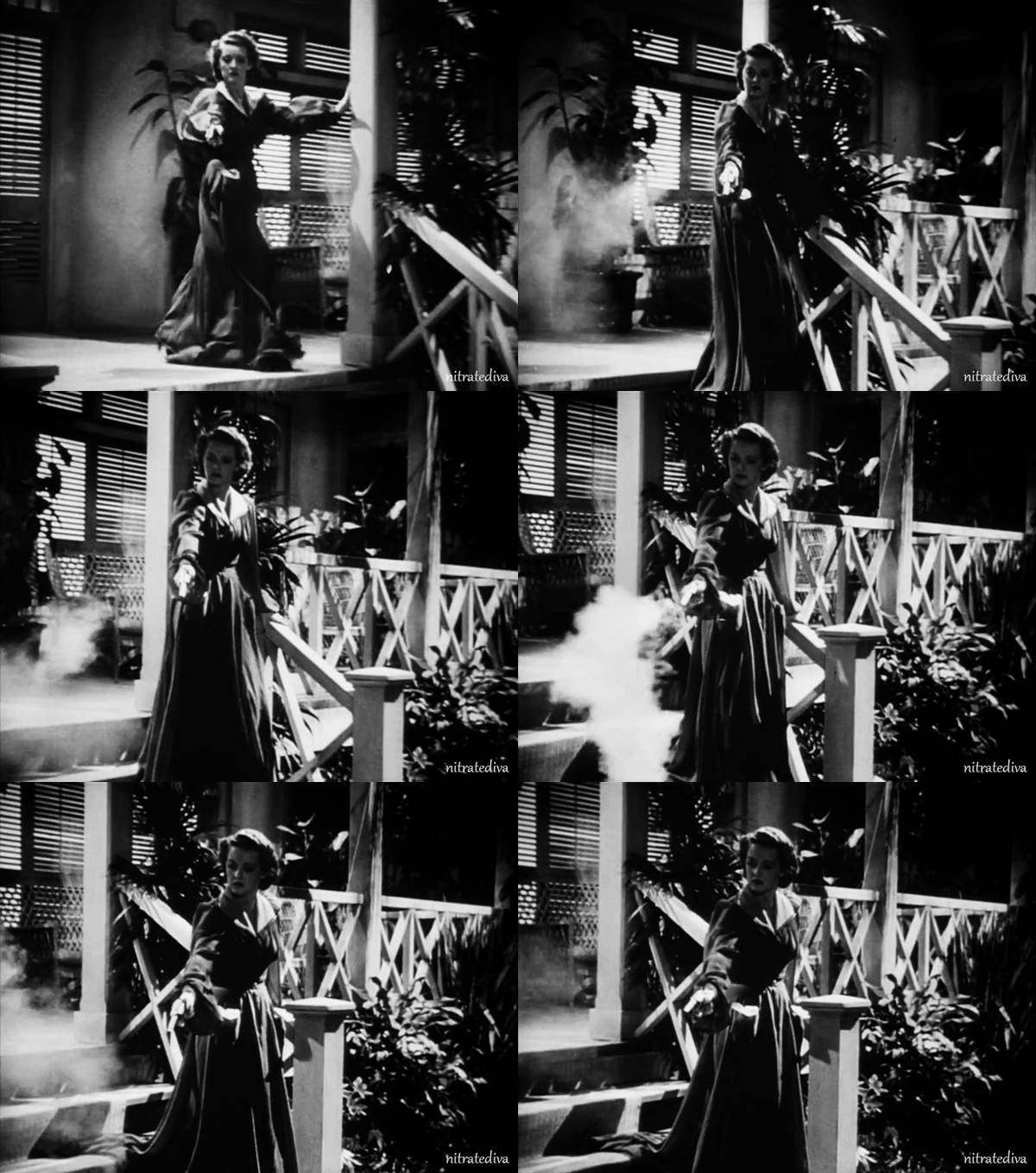
Noir is a genre populated with shady dames and murky morals. Even in the back alley's of film noir, however, rarely has a femme been quite so fatale as  Leslie Crosby in 1940's The Letter. In her hypnotic performance Bette Davis' Lesley personifies the all too real evil that lives among us. Bridging the gap between melodrama and noir this film acts as a gritty legal thriller and compelling character study in human cruelty. For one of Davis' most memorable performances open The Letter.

A clear cut case of self-defense

The story begins on a rubber plantation in Malaysia as British expatriate Leslie Crosby shoots a man on the steps of her home. It is soon revealed that the victim was a friend of Leslie husband, Robert, fellow expat Geoff Hammond. While Leslie maintains that she shot Hammond in self-defense during an attempted rape, she is arrested and her case is brought to trial. Although her fellow expats hail her as a heroine her attorney, family friend Howard Joyce, is skeptical of her story. Howard's suspicions are confirmed when his clerk informs him that Hammond's wife, an unnamed local woman, possesses a salacious letter Leslie wrote to Hammond. In an effort to protect his client Howard acts against his own conscience and sets out to buy the letter from Hammond's widow and ensure that neither Robert nor the jury learn of his client's sordid past. What ensues is a noirish legal thriller that takes viewers on a harrowing journey into the heart of a killer.

Through its dark subject matter, morally compromised characters, and expressionist cinematography The Letter stands as one of the earliest examples of film noir. Even in its place at the forefront of the genre, however, the film manages to defy genre conventions by challenging viewer expectations as well as the norms of its era. While noir typically exposes the dark side of the modern metropolis The Letter is set on the exotic shores of Malaysia. Similarly, the film follows society's elites rather than its dregs. As a result, the film's depiction of human nature at its most brutal is all the more shocking. In this way, the film highlights the fact that all too often the greatest evil is that which is within our own midst. The film also defies the norms of its era through the ways in which it subverts both gender and racial stereotypes. While many post-Hays Code films depicted female characters in an idealized light The Letter harkens back to Hollywood's pre-censorship era in its portrayal of Leslie. While she outwardly seems to personify society's ideals, the film slowly reveals Leslie to be one of the most self-serving, callous, and calculating individuals ever put to celluloid. Similarly, the film begins with what appears to be a stereotypical portrayal of the Malaysian workers employed on Robert's plantation. Over time, however, the film inverts these stereotypes by portraying its Malaysian characters, particularly Hammond's wife, with a dignity and humanity that escapes their British counterparts. In this way, the film exposes the hypocrisies of both its characters and the colonial society in which they live. Even as it seems to bend the noir genre at every turn the film captures the dark heart of the genre. For a look at noir at its most unique take the stand with Leslie in The Letter.

Not at all ominous...

The film transports viewers into the jungles of Malaysia and the soul of a sinner thanks to the brilliant work of its cast. Sen Yung infuses Howard's clerk, Ong Chi Seng with cool cunning. Herbert Marshall aptly portrays Robert with humility, charm, and warmth. James Stephenson imbues Howard with intelligence, and portrays his moral conflict with nuance. Gale Sondergaard steals each scene in which he appears in a virtually silent performance as Hammond's vengeful wife that is nothing short of haunting. Even in the midst of stellar supporting performances the film belongs to Bette Davis. In Davis' hands what could have been a melodramatic turn is instead a chilling portrait of humanity at its most ruthless. One viewing will remind viewers why Bette Davis is still considered one of Hollywood's all time greats.

At once a tense courtroom drama, a gritty noir, and a character study, The Letter is a classic that defies genre limits. Through its intelligent and nuanced script the film brings Maugham's stage drama to visceral life. The all star performances infuse each of its characters with depth, complexity, and realism. Kick back with a cool classic and tear open The Letter.

With all my heart I still love the man I killed!


Friday, April 14, 2023

Classics: A Review of Swing Kids By Lauren Ennis

Adolescence is a turbulent time in which we learn who we are and who we want to be. It is a confusing period in which we rebel against authority and feel a desperate need to be heard. Imagine how much more difficult and desperate that time is when the mere act of questioning authority is forbidden and rebellion is illegal. 1993's Swing Kids aptly explores that very subject. The film relates a coming of age story set against the backdrop of Nazi Germany in which each of its three protagonists are forced to decide not only who they want to be, but also what kind of world they want to live in. An equally adept ode to adolescence and tribute to the power of resistance Swing Kids will leave you singing its praises.

Dressed up like a million dollar trooper trying hard to look like Gary Cooper

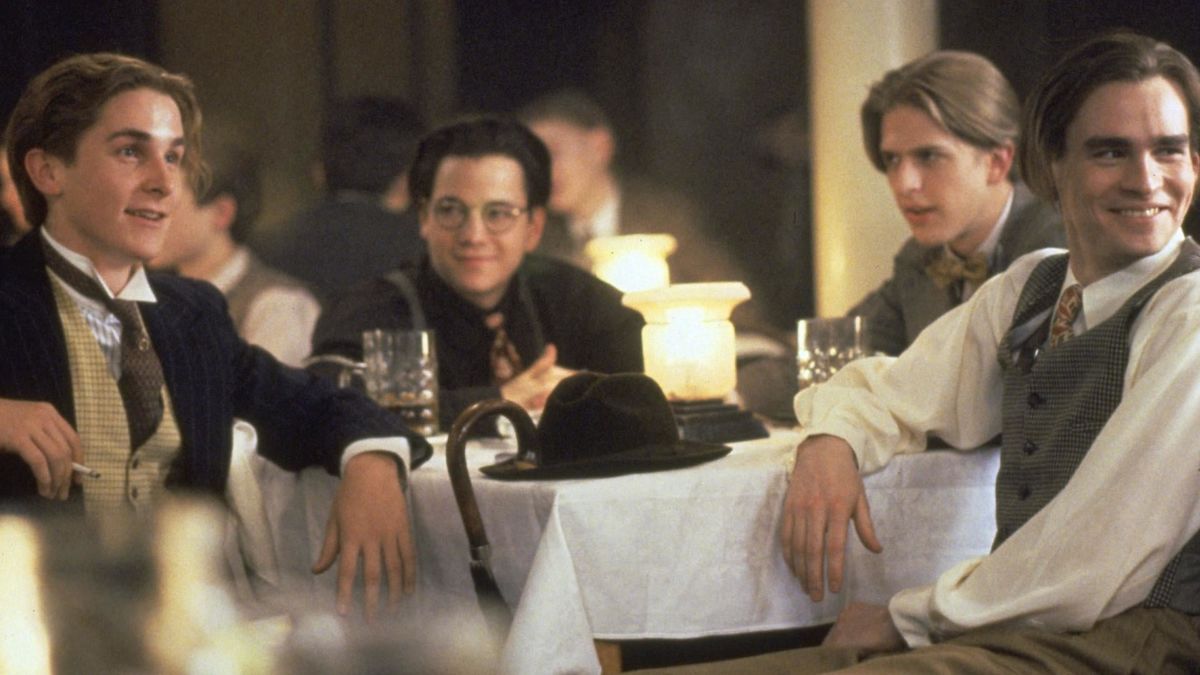
The story begins in 1939 Hamburg as high school friends Peter, Thomas, and Arvid struggle to navigate adolescence in the midst of an authoritarian regime. The boys find release from their restricted lives in the city's underground clubs where they listen to banned American music. The trio's friendship is put to the test when Peter and Thomas are forced to join the local Hitler Youth program after they are caught stealing a radio. As time passes Thomas becomes enamored with the program and the brutal ideology that it promotes. Peter, meanwhile, is forced to come to terms with his mother's relationship of convenience with a local gestapo officer while Arvid finds himself increasingly alienated from both of his friends. When he learns the true depths of the horror gripping his country Peter is forced to choose a side and learns who his true friends really are.

While numerous films have addressed the horrors of Nazi Germany Swing Kids stands out for its exploration of the adolescent experience under authoritarianism.  Through its focus upon the struggles and conflicts that Thomas, Peter, and Arvid face the film highlights the ways in which totalitarian regimes crush youthful hopes and passions. Over the course of the film the trio are forced to sacrifice their shared love of swing, their friendships, and finally their individuality. In its depiction of the ways in which each of the characters lives are fundamentally changed by the Nazi regime the film sheds light upon  the devastating impact of totalitarian regimes both past and present. As a result, the film  brings history alive in a way that kids and teens can relate to while highlighting the damage that authoritarian governments continue to inflict today. Even as it offers an unflinching look at one of the darkest chapters in history the film also acts as a testament to the resilience of youth and the power of the human spirit. In its depiction of the characters' small acts of rebellion the film shows the ways in which ordinary people can resist against oppression. In this way the film reminds viewers of all ages of the vital importance of maintaining your values even in the face of persecution and the ways in which all of us can work towards a better tomorrow. For a historical drama that the whole family will love put on your dancing shoes with Peter, Thomas, and Arvid in Swing Kids.

It don't mean a thing if it ain't got that swing

The film transports viewers to the dark days of the Third Reich thanks to the brilliant work of its cast. Barbara Hershey aptly portrays Frau Mueller's conflicted efforts to protect her children from the oppression surrounding them. Kenneth Branagh infuses SS office Knopp with sinister sleaze. Frank Whaley steals each scene in which he appears as valiant rebel with a cause Arvid. Christian Bale depicts Thomas' transformation from snarky swing kid to conforming Hitler Youth with a realism that foreshadows his later success. Robert Sean Leonard is the film's beating heart as everyman Peter and captures Peter's coming of age with a depth, maturity, and raw emotion that belies his young years.

At once a tribute to the resilience of the human spirit and a haunting reminder of its many failings Swing Kids is far more than your average family film. The script's blend of realism and raw emotion vividly brings one of history's darkest chapters to life. The stellar work of the cast transports viewers from Hamburg's swinging dancehalls to the brutal reality of everyday life in Nazi Germany. Swing into action with Arvid, Thomas, and Peter in Swing Kids.

Rebels with a cause


Wednesday, April 12, 2023

Classics: A Review of The Secret of NIMH By Lauren Ennis

Each year we devote one day to honoring the women who set us on our first steps of life's journey; our mothers. For better or for worse our mothers shape who we are and inspire who we ultimately become. Given the importance of mothers in their children's lives its bizarre how few family films focus upon mothers. This trend is so prevalent that family entertainment juggernaut Disney has jokingly become synonymous with dead or missing mothers. One film that defied this odd standard to spectacular effect is 1982's cult classic The Secret of NIMH. While it is better known today for being the first animated film to challenge Disney's dominance, The Secret of NIMH offers one of cinema's most compelling portraits of the struggles, sacrifices, and transformative power of motherhood. This mother's day join Mrs. Brisby on an unforgettable adventure to learn The Secret of NIMH. 

This one's for all of the moms out there...

The story begins with widowed field mouse Mrs. Brisby struggling to provide for her four children. The family's already fragile existence is thrown into upheaval when they learn that a nearby farmer plans to plow the field that they are living in. While her neighbors urge her to move her family to safety one of her children, Timothy, is ill with pneumonia and cannot be moved. At the advice of her wise neighbor, Mr. Ages, she seeks out the Great Owl who directs her to a colony of hyper intelligent rats living under the farmer's rose bush. She then sets out on an epic quest to save her family and discover the great and terrible secret of NIMH.

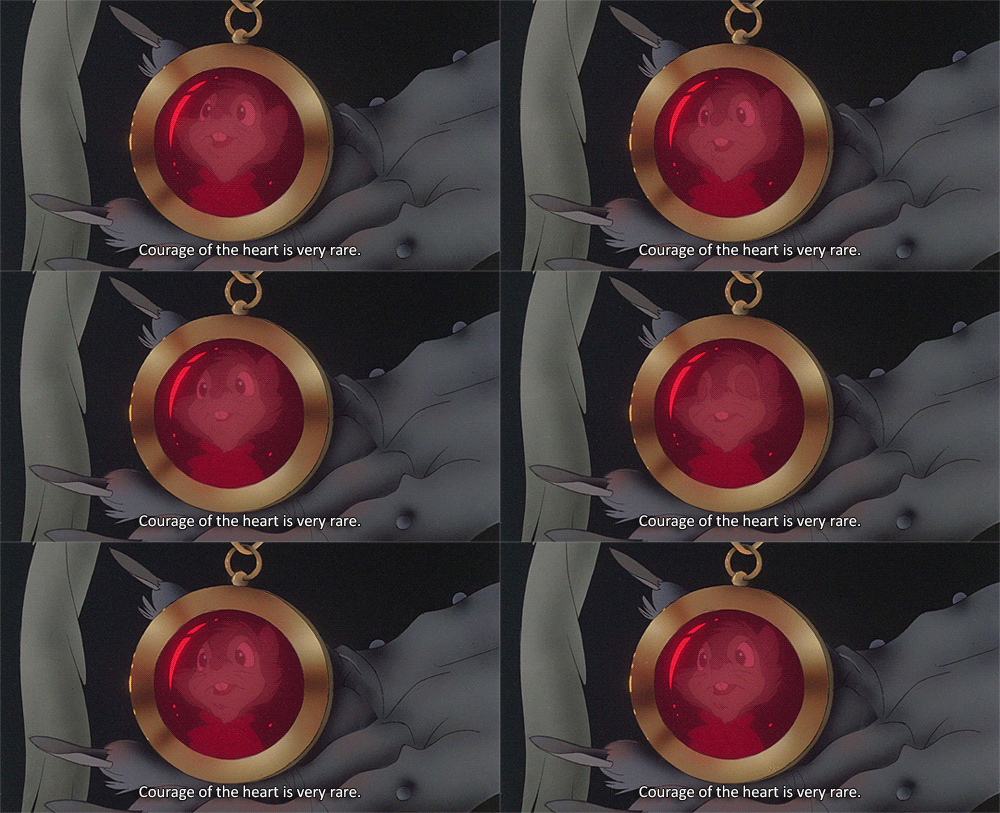
While The Secret of NIMH showcases such animated adventure staples as evil villains, magic, and comic sidekicks the film's choice of heroine sets it apart. Mrs. Brisby is not royalty and does not possess special powers. She is not saving the world or exploring unknown lands. She is merely a mother doing the best that she can to provide for and protect her children. As a result, she is perhaps the most unlikely of animated heroines; an all too relatable everywoman. It is for this reason that she is truly a heroine for our times. While most cinematic heroes are notable for their fearlessness, Mrs. Brisby begins the movie as outright timid. What makes her truly heroic is that she does not allow this fear to hold her back when her children are endangered as she routinely risks her own safety to ensure her children's. In this way, she offers an inspiring example of what we can accomplish when we face our fears. Her single-minded determination to protect her children also personifies the bravery and self-sacrifice that sets good mothers apart. As a result, she highlights the importance of maternal role models in a genre in which mothers are sorely lacking. This mother's day give your mother a call and let her in on The Secret of NIMH.

The film brings Robert C. O'Brien's novel Mrs. Frisby and the Rats of NIMH to brilliant life thanks to its dazzling animation and exemplary vocal performances. When Don Bluth left Disney to start his own studio he did so with the goal of reviving classic animation, and his debut feature does just that. The expressiveness of the characters, the scope of the settings, and the thrilling action sequences stand leave this reviewer longing for a return to 2D animation. The voice actors' perfectly suit their characters with Elizabeth Hartman lending the best performance of her career since 1965's A Patch of Blue. Bluth favorite Dom DeLuise lends his signature comedic skill in his uproarious turn as lovelorn crow Jeremy. Peter Strauss' charm and relatability ensure that gallant rat Justin makes for a surprisingly noble hero. Paul Shenar is a villain worthy of Vincent Price as the coup plotting rat Jenner. Together, the cast create a memorable world of heroes and villains to rival even the most celebrated of fairy tales.

At once a thrilling adventure and a heartfelt ode to motherhood it's no secret why The Secret of NIMH continues to delight the young and young at heart. The script vividly brings O'Brien's story to the screen while imbuing it with Don Bluth's signature flair. The animation is nothing short of breathtaking as it transports viewers from the pastoral beauty of an open field, to the horrors of NIMH's labs, to the dark beauty of the rats' colony. The voice performances bring each of the characters to vibrant life and ensure that viewers will root for the film's furry heroes every step of the way. For the mother of all animated adventures follow Mrs. Brisby to find The Secret of NIMH.


Tuesday, April 4, 2023

Classics: A Review of Perry Mason By Lauren Ennis

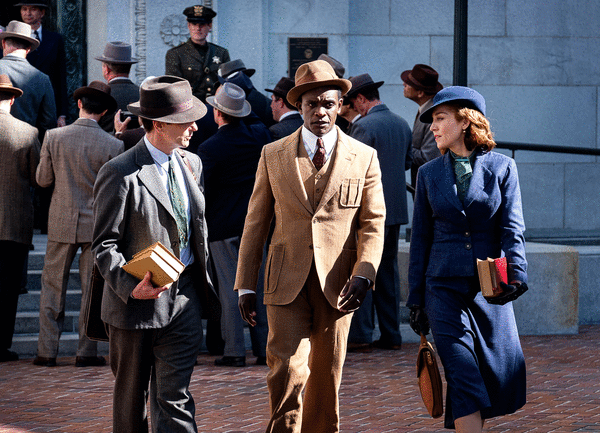
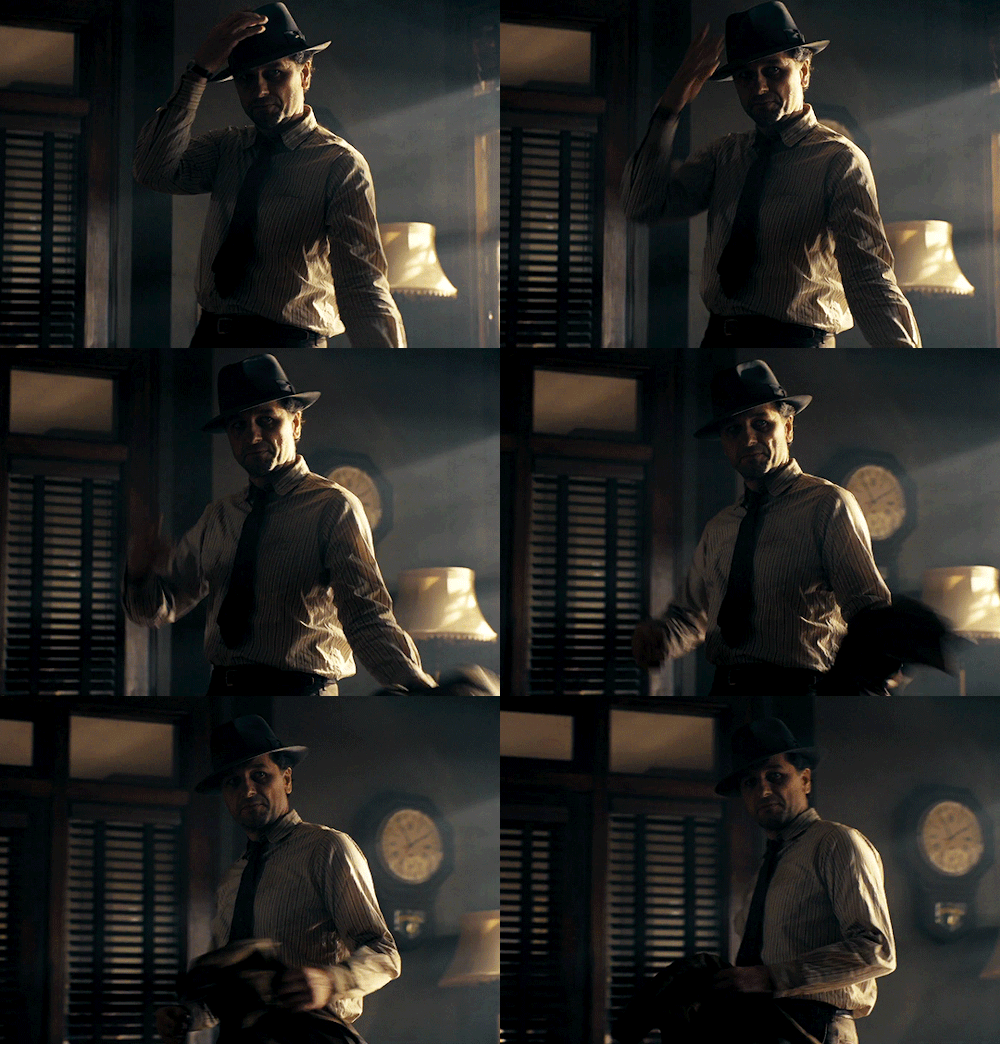
From 1957 to 1966 one name was synonymous with integrity, ingenuity, and the rule of law; Perry Mason. The classic series followed the brilliant defense attorney as he tackled one convoluted case after another, always managing to reach a winning verdict before the end of the hour. In 2020's HBO adaptation Mason could not be more different from his beloved predecessor, and is all the better for it. This noirish reboot follows its reluctant hero on a twisting journey through the gritty streets of Depression era L.A. that is guaranteed to leave viewers guessing until its final reveal. At once an apt tribute to the early television classic and a refreshingly original standalone piece Perry Mason is guilty of being one of the most entertaining legal dramas to ever grace the small screen.

The story begins in 1932 as Matthew and Emily Dodson race to pay the ransom for their kidnapped infant son, Charlie. The couple gladly pay the ransom only to make the devastating realization that Charlie was killed during the course of the kidnapping. Police suspicions quickly fall on the Dodsons, prompting Matthew's father,  powerful industrialist Herman Baggerly to intervene on their behalf. Meanwhile, Perry Mason is working as a private investigator for his mentor, attorney E. B. White. White's firm agrees to take on the Dodson case as a favor to Baggerly, setting its staff on a collision course with the LAPD, the rising Evangelist movement, and the political establishment. White, Mason, and their secretary, Della, soon find themselves put to the ultimate test as the case leads them down a trail of murder, corruption, and coverups that is just the stuff film noir is made of. 

In this modern retelling the squeaky clean attorney of old is all but abandoned in favor of a morally murky and all too human hero for our times. The series wisely moves the action from the original's post-war setting to the early 1930's. Even as it moves the story back in time the altered setting actually makes the series feel more modern as it uses the backdrop of the Great Depression to explore such timely themes as economic uncertainty, racial and gender tensions, the impending threat of war and institutional corruption. This change also allows the script to act as an origin story in its exploration of Mason's humble beginnings as a struggling private investigator coping with trauma from World War I. In this way, Mason is transformed from a near genius in the style of Sherlock Holmes to an everyman who viewers will find themselves relating to and rooting for. Similarly, the series invests each member of the supporting cast with backstories and conflicts that ensures that they are fully realized characters rather than the stock types and plot devices that characters were reduced to in the original hourly series. The series also aptly utilizes the aesthetic of classic noir to to highlight the morally grey subject matter while placing the plot firmly within the context of the early thirties. In this way the series serves as an accurate historical drama while offering an atmospheric crime story that will appeal to the jaded taste of modern viewers. For a drama that delivers style and substance in equal measure take a stroll down the dark alleys of 1930's L. A. with Perry Mason.

The series brings the gritty streets of Depression-era Los Angeles to life thanks to the brilliant work of its cast. Gayle Rankin perfectly blends the contradictory small town naivete and disillusioned world weariness that define Emily Dodson. Nate Corddry aptly conveys Matthew's devastation at the loss of his son and betrayal of his wife. Andrew Howard is nothing short of chilling in his ruthless portrayal of corrupt cop Joe Ennis. Eric Lange depicts Ennis' equally compromised partner, Gene Holcomb, with subtle menace and cold calculation.  Veronica Falcon infuses pilot turned speakeasy owner Lupe with shrewdness, humor, and a sizzling sensuality worth of Marlene Dietrich. Tatiana Manslany is mesmerizing as magnetic preacher Sister Alice McKeegan. Chris Chalk aptly portrays the inner conflict of honest police officer Paul Drake in his depiction of Drake's efforts to maneuver the corruption surrounding him. Juliet Rylance infuses Mason's secretary turned attorney Della Street with wit, warmth, and charm in a performance that rival's Barbara Hale's iconic turn in the original series. Even in the midst of a superior supporting cast the series belongs to Matthew Rhys as Perry Mason. In Rhys hands' the too good to be true attorney of the original series is transformed into an all too human everyman struggling to hold onto his principles in an increasingly unprincipled world.

At once an inspired tribute to both its predecessor and classic noir and a refreshingly original mystery Perry Mason aptly raises the standard of modern television. The script expertly balances the grit and atmosphere of classic noir with a modern sensibility to create a viewing experience that is nothing short of gripping. The expert performances of the cast transport viewers to the dust ridden streets of 1930's Los Angeles and the darkest corners of the human soul. The verdict is in Perry Mason is one of the most riveting dramas to appear on the small screen.


Monday, February 20, 2023

Classics: A Review of The Prince of Egypt By Lauren Ennis

Genocide, slavery, family conflict, and religion are all topics that are best left out of polite conversation. Yet, 1998's The Prince of Egypt manages to weave these same controversial topics into an animated tapestry that is certain to enthrall children and parents alike. While the film relates the familiar tale of the Book of Exodus, it utilizes breathtaking animation, complex characters, and soaring songs to infuse new life into the ancient tale. This Passover and Easter season relive the triumph and tragedy of The Prince of Egypt.

The story begins with Pharaoh Seti I ordering the execution of all male Hebrew infants in an effort to prevent his slaves from outnumbering and eventually overthrowing their masters. In the midst of the carnage one slave, Yocheved, defies her masters and puts her infant son into a woven basket in the Nile. The child's older sister, Miriam, watches as her younger brother is found floating in the river by Seti's wife, Queen Tuya, who proceeds to adopt him despite his heritage. Decades later the baby, Moses, has grown into a young man and prince of Egypt. Moses leads a life of ease and privilege until a chance meeting with his biological siblings leads to the revelation that his entire life has been a lie. After he reluctantly accepts his true identity he feels compelled to intervene when he sees a slave being abused. In the ensuing struggle he accidentally kills one of the Egyptian overseers, prompting him to retreat into the desert. During his self-imposed exile he rebuilds his life as a shepherd and marries a Midian shepherdess. Just when he is sure that he has left the ghosts of his past behind, however, he receives a vision from God and becomes determined to return to Egypt and set his people free. He then embarks upon an epic struggle that will pit him against the home he knew and the family he loved in one of the greatest fights for freedom the world has ever known.

While Western animation is often reduced to juvenile fare The Prince of Egypt is the rare animated film that the whole family will truly enjoy. The film relates the tale of the Book of Exodus with a gravity and depth that is rarely found in American animation. The film manages to balance between exploring the story's mature themes and remaining geared towards a young audience, ensuring that it appeals equally to both children and their parents. The film particularly shines in its efforts to relate its tale on an epic scale without sacrificing any of its humanity. While classic epics of Old Hollywood portrayed their heroes as larger than life figures The Prince of Egypt sets itself apart by making a conscious point to show each of its characters on both sides of the conflict as flawed, complex, and entirely relatable. As a result, their struggles carry greater emotional resonance and audiences are more invested in the outcomes. The film's animation is never less than gorgeous as it showcases grand landscapes and character close ups with equal skill. The animation brilliantly transports viewers to the majesty of ancient Egypt with surprising historical accuracy while relaying the plot's supernatural events with awe inspiring beauty. Similarly, the musical score soars as it superbly conveys each of the characters' emotions and provides the film with its beating heart. Join Moses on a journey for the ages in The Prince of Egypt.

The book of Exodus is brilliantly brought to animated life thanks to the stellar work of the vocal cast. Sandra Bullock infuses Moses' sister, Miriam, with her signature plucky charm. Jeff Goldblum expertly captures the toll of life in bondage as Moses' brother, Aaron. Danny Glover lends warmth and humor in his boisterous turn as Moses' father in law, Jethro. Patrick Stewart perfectly captures the duality of Seti as both a ruthless ruler and a loving father. Helen Mirren portrays Queen Tuya with maternal warmth. Ofra Haza is nothing short of heart breaking in her brief appearance as Moses' biological mother, Yocheved. Michelle Pfeiffer blends her signature sensuality with sass in her turn as Moses' strong willed wife, Tzipporah. Even in the midst of its star studded supporting cast the film belongs to Val Kilmer and Ralph Fiennes as brothers turned enemies Moses and Rameses. In Fiennes' hands Rameses is one of the most sympathetic and complicated villains in cinema as he struggles between his love for his brother and his desire to live up to their father's legacy as Pharaoh. Similarly, Kilmer portrays Moses as a well meaning, but ultimately flawed and all too human man and the story is all the richer for it. Together, Fiennes and Kilmer ensure that The Prince of Egypt is one of the most emotionally resonant, mature, and moving stories ever put to animation.

Through its masterful storytelling The Prince of Egypt relates one of the only animated tales that could be considered truly epic. The film's animation brilliantly transports viewers to the grandeur of ancient Egypt while offering vital insight into its characters. The music propels the story forward while infusing its familiar tale with with emotion and atmosphere. The star studded vocal cast brings the film's colorful array of characters to vibrant life with charm, complexity, and humanity. This Passover and Easter gather the whole family around The Prince of Egypt.


Wednesday, February 15, 2023

Classics: A Review of What Dreams May Come By Lauren Ennis

How far would you go for the one you love? That is the question that lies at the heart of 1998's romantic drama What Dreams May Come. At once an apt retelling of the Orpheus and Eurydice myth and a universal tale of love and loss the film is a testament to the power of the human heart. Through its exploration of one man's journey to hell and back the film relates a powerful tale of the transformative power of love even in the face of death itself. This Valentine's Day enjoy a corner of cinematic heaven with What Dreams May Come.


The story begins with Chris and Annie's chance meeting when their boats collide on a lake in Switzerland. The two experience an instant connection and are soon married. Years later, they are enjoying an idyllic life with their two teenage children. Their tranquil existence is shattered when tragedy strikes and both of their children are killed in a car accident. Just when they begin to pick up the pieces of their lives and marriage their world is upended once again when Chris is run down while trying to act as a good Samaritan. Chris is instantly transported to heaven where he is reunited with his children, mentor, and dog leaving Annie to cope with her grief alone. Consumed with loss, she eventually commits suicide, but rather than reuniting with Chris she remains trapped within the hell of her own mind. Chris then sets out on a journey into Hell itself to be reunited with her even if it means losing his place in heaven forever.

At once a spiritual meditation on life, loss, and all that lay beyond and an ode to the redemptive power of human connection What Dreams May Come is a film that is truly out of this world. The film sets itself apart from other romantic dramas by using its central love story to explore such weighty topics as death, grief, suicide, and the afterlife.  The film treats each of these topics with sensitivity and gravity, but avoids collapsing under the weight of its subject matter. Instead, the film uses these weighty topics to relate a tale of redemption and healing that offers a beacon of hope in the darkest of times. Through its exploration of Chris and Annie's journeys the film highlights the ways in which our love of others allows us to live on even in the face of death itself. At once entirely original and wholly universal What Dreams May Come is the stuff that cinematic dreams are made of.

The film is brought to vibrant life than to the heavenly performances of its cast. Jessica Brooks Grant aptly combines tomboy sass with vulnerability as Chris and Annie's daughter, Marie. Josh Paddock portrays Chris and Annie's son, Ian with an intelligence, earnestness, and maturity that belie his young years. Cuba Gooding Jr. portrays Chris' mentor, Albert with gentle humor and infectious charm. Max von Sydow portrays Chris' guide through the afterlife with gravitas and mystique. Even in the midst of ample supporting performances the film belongs to Robin Williams and Annabella Sciorra as Chris and Annie. Sciorra portrays Annie's grief with a raw emotion that is nothing short of devastating without sacrificing any of the warmth and charisma that continues to draw Chris to her. Williams infuses Chris with his signature humor and charm while turning in one of the most complex performances of his legendary career.

Over the course of its two hours What Dreams May Come takes viewers on an unforgettable journey from the heights of heaven to the deepest depths of the human heart. The film's combination of breathtaking visuals and innovative storytelling make for a bold cinematic vision. The stellar performances of the cast bring each of the film's characters to vibrant life. Fall in love with Chris and Annie in What Dreams May Come.