Sunday, February 13, 2022

Classics: A Review of Cobra Kai 3-4 By Lauren Ennis

After four seasons of shifting alliances, betrayals, and lots of kicks Cobra Kai proves that it still has plenty of bite. Just when viewers were sure that the stakes couldn't get any higher, old enemies and new challenges emerge that put the soul of the valley on the line. Through two more seasons the series continues to deliver action, humor, and some of the most original content on modern television. Fasten your gi, tighten your belt, and get ready for two more addictive seasons of Cobra Kai.
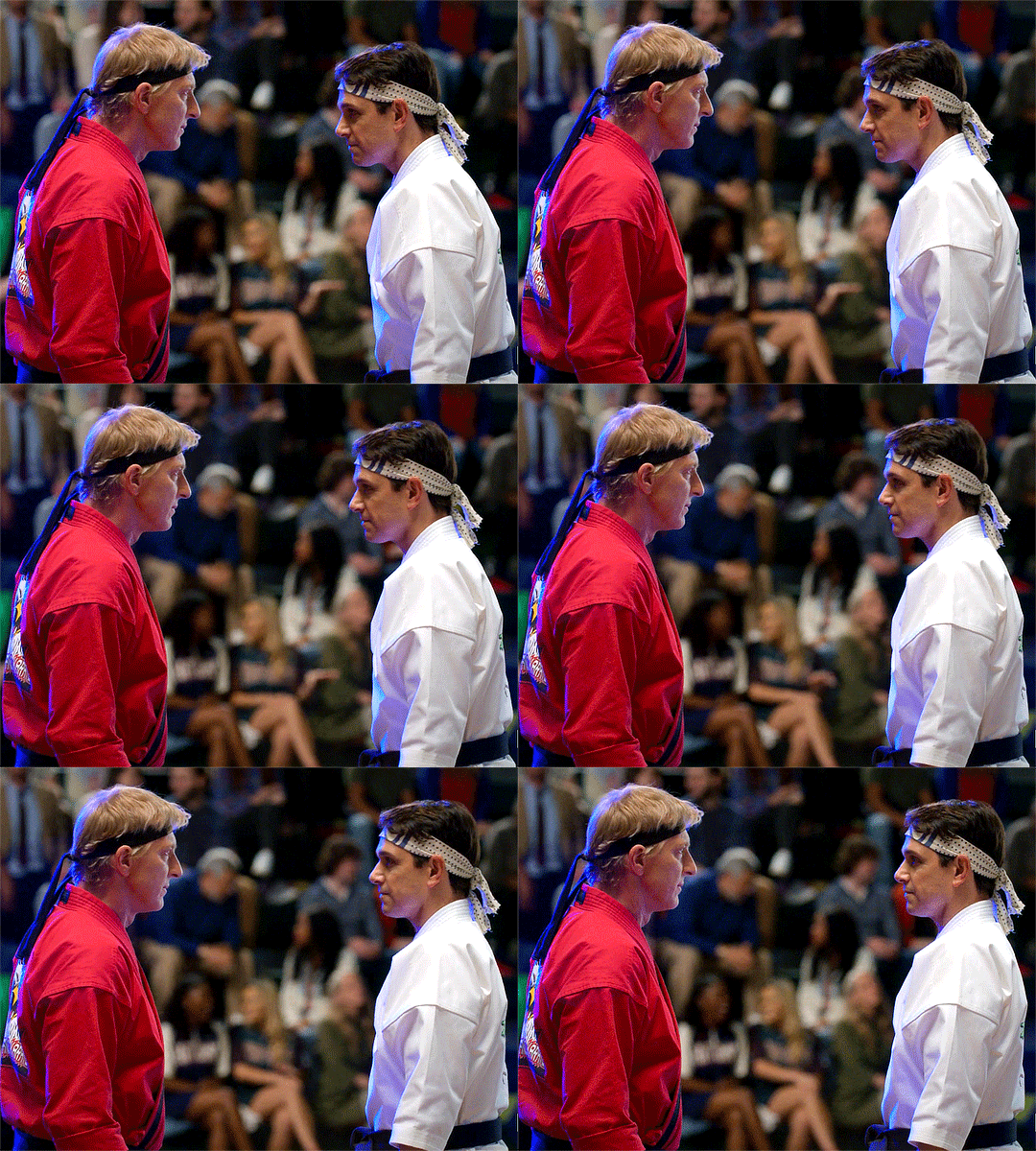
Bow to your sensei!

Season three picks up in the aftermath of season two's school brawl with Miguel recovering from his devastating fall while Robby faces the legal consequences. Meanwhile, Johnny is reeling from his failure to protect Miguel and the loss of his dojo to Kreese. Daniel faces similar struggles as the fallout from the school fight leaves his relationship with Robby in shambles, his business on the verge of closure, and his daughter suffering from PTSD. While our heroes try to pick up the pieces from season two's shattering finale, Kreese takes his former place as sensei of Cobra Kai. This season sees all three senseis and their students embarking upon alternatingly heartwarming and harrowing journey's into their respective pasts as they come to terms with an uncertain present.

Season four continues where season three ended with Daniel and Johnny finally joining forces against Kreese and the ruthless regime of Cobra Kai. With the stakes higher than ever Kreese calls in a favor from war buddy Terry Silver, forcing Daniel to come face to face with arguably his greatest nemesis. While the adults struggle to prepare for the ultimate tournament showdown, students at both dojos find themselves engaged in their own conflicts. Miguel resumes his relationship with Sam, only to find his relationship with Johnny to be unexpectedly strained.  Sam starts rebelling against Daniel as she becomes surprisingly drawn to Johnny's aggressive teaching style. Meanwhile Robby sinks deeper into the toxic ethos of Cobra Kai as Silver and Kreese take advantage of his anger at Johnny and Daniel. With new faces, old foes, and shocking plot twists this season might pack the series' greatest punch yet.

The latest two seasons of Cobra Kai prove that there is still plenty of kick in The Karate Kid saga. The series takes a decidedly darker, grittier, turn as it explores both its characters' past traumas and the devastating consequences of their actions in the present. In this way, the series grows and matures along with its young stars. Even as it grapples with such weighty themes as the toll of war, familial dysfunction, and the vicious cycle of violence, the series maintains the signature charm and off-color humor that helped make it a hit. The script continues to play with the culture clash between the eighties and today with hilarious results. The series also pokes fun at its own status as a 'karate soap opera' and lovingly sends up moments from the original films to maximum effect. With the approach of the upcoming All-Valley Tournament the series ups its ante once again, showcasing some of the most thrilling martial arts sequences this side of Bruce Lee. The series' greatest success however, continues to be its ability to balance loving nostalgia for the original franchise with bold new storytelling that is guaranteed to leave viewers from Gen-X to Gen-Z reaching for a karate gi. For a true knock-out of a series hit the mat with Johnny and Daniel in Cobra Kai.

The series continues to be just the kick that audiences are looking for thanks to the brilliant work of its cast. Dallas Dupree Young makes a welcome addition as Cobra Kai's latest recruit, bullied middle schooler Kenny. Oona O'Brien infuses Johnny's newest student, Devon, with acerbic wit and plenty of sass. Jacob Bertrand lends a standout performance as geek turned ruthless cobra Hawk. Gianni DiCenzo brings dry wit and endearing charm to his portrayal of nerdy Demetri. Peyton List continues to be karate's favorite bad girl as she lends depth and moral complexity to her turn as Tory. Mary Mouser strikes the perfect balance between girl next door charm and steely grit as Sam. Tanner Buchanan proves himself to be a scene stealer as hardened and morally conflicted Robby. Xolo Mariduena continues to be the series' beating heart as Johnny's star protege, Miguel.

Even in the midst of exciting turns by its young performers the series is dominated by The Karate Kid's original stars. The Karate Kid Part II's Tamlyn Tomita and Yuji Okumoto make a welcome return as Daniel's ever endearing former flame, Kumiko, and his intimidating former rival, Chozen. Elisabeth Shue is as charming as she was in 1984 as Daniel and Johnny's mutual former love interest, Allie. Martin Kove remains the sensei that viewers love to hate as the calculating and merciless John Kreese. Thomas Ian Griffith slinks back onto the screen as the sadistic Terry Silver in a turn that is nothing short of chilling. Despite the engaging work of the ensemble cast the series continues to belong to Ralph Macchio and William Zabka as rivals Daniel Larusso and Johnny Lawrence. 

Four seasons on Cobra Kai proves that its still the best around. The script's winning combination of heart-stopping action, complex characters, and eighties nostalgia is guaranteed to keep viewers across generations coming back for more. The performances infuse each of the characters with a humanity and complexity that ensure that every character is both relatable and believable. Through its blending of original storytelling with loving homage to The Karate Kid franchise Cobra Kai achieves a level of balance that would make Mr. Miyagi himself proud. Kick the competition with Johnny and Daniel in Cobra Kai.

Cobra Kai never dies


Saturday, January 22, 2022

Classics: A Review of Joe and Max By Lauren Ennis

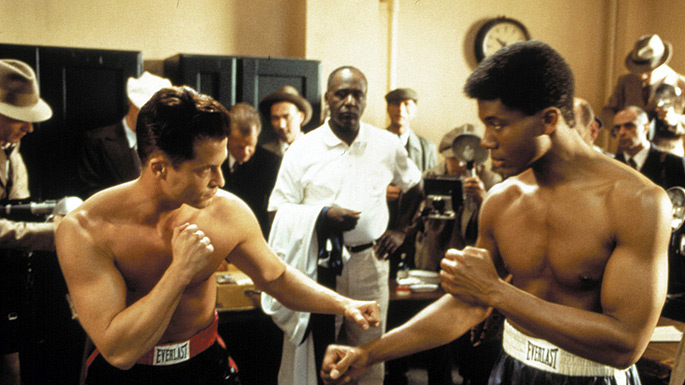
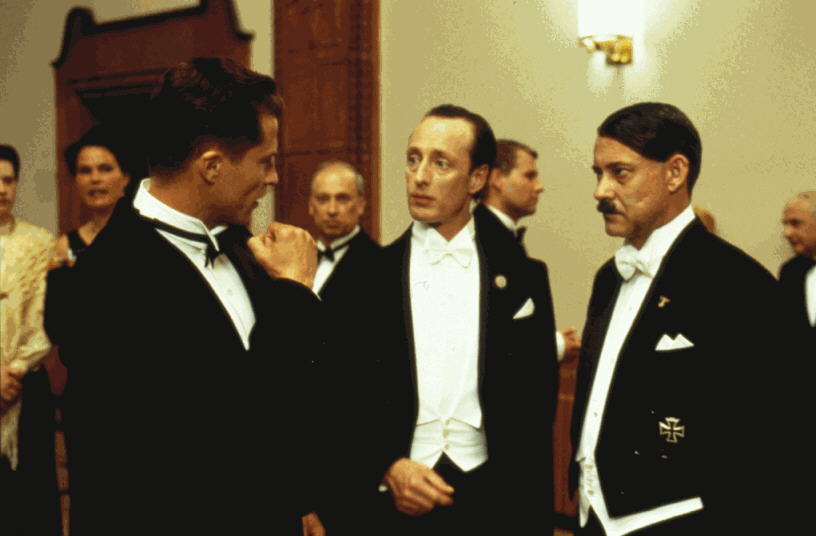
In the 1930's politicians struggled to maintain 'peace in our time' even as the threat of war loomed ever larger. The world's athletes, meanwhile, were already entering the first skirmishes of a propaganda war as Nazi Germany promoted its 'Aryan supermen' as proof of the Third Reich's superiority. The 2002 drama Joe and Max explores the intersection of politics and sports in its depiction of the two boxing matches between Germany's Max Schmeling and America's Joe Louis and the unlikely friendship that developed between them. This fascinating tale of friendship, prejudice, war, and survival packs enough punches to satisfy cinemagoers and sports fans alike.


The story begins in 1936 with Joe Louis dominating as the United States' undefeated heavyweight champion. Meanwhile, heavyweight fighter Max Schmeling is struggling to rebuild his career in Germany. When their managers arrange for them to fight both boxers are thrown into the midst of a media campaign that the US and Nazi Germany quickly utilize for political propaganda. Even as they prepare to represent their countries in the ring both experience strife at home with Schmeling attempting to maneuver the dangerous political climate of Nazi Germany, while Louis is subjected to racial discrimination in the US. The pair face off twice in the ring, but it is the story of their friendship outside of the ring that makes this film a true knockout.

The film transcends the limits of the standard biographical drama by exploring the ways in which politics and fame influenced Louis and Schmeling's careers as well as personal lives. The racial tensions in the US place dual burdens on Louis as he faces both racial discrimination and the weight of trying to live up to his image as a role model in the black community. Similarly, Schmeling struggles as an unwilling poster boy for a regime that he despises with Germans viewing him as the embodiment of Aryan superiority and Americans viewing him as fascism personified. The way in which both fighters' images are manipulated to fit political and media narratives is strikingly relevant in an era in which athletes use their celebrity status to promote social and political causes. The fact that both fighters are unwilling pawns in a greater media and political campaign is eerily resonant as athletes from around the globe prepare to compete in the Winter Olympics in Beijing. Regardless of athletes' personal beliefs, their participation in the games will allow the People's Republic of China to present itself as a legitimate power on the world stage even as they engage in genocide and human rights abuses. Perhaps the films' greatest strength its its portrayal of the unlikely friendship that developed between Louis and Schmeling in spite of their being pitted against each other both in and out of the ring. In this way the film highlights the ways in which sports can bring us together even as everything around us threatens to tear us apart. For a historical drama that will have sports fans eagerly awaiting the next round join Joe and Max.

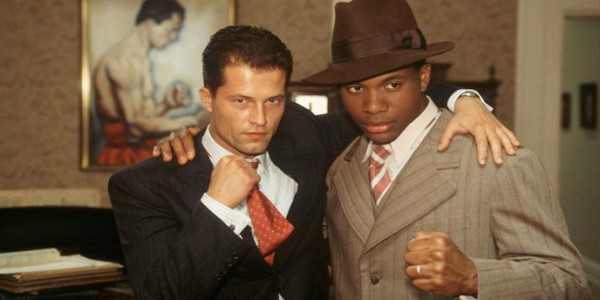
The film transports viewers into the world of 1930's boxing thanks to the stellar work of its cast. Richard Roundtree makes for a memorable mentor as Louis' manager, Jack Blackburn. David Paymer turns in an endearing performance as Schmeling's manager, Joe Jacobs. Siena Goines blends warmth, charm, and steely resolve in her portrayal of Louis' put upon wife, Marva. Peta Wilson lends a complex turn as Schmeling's wife, Anny, and perfectly captures Anny's journey from sheltered movie star to resilient survivor. Even the midst of a superb supporting cast Leonard Roberts and Til Schweiger dominate the film as Louis and Schmeling. Roberts infuses Louis with a boyish charm, earnestness, and grit that is guaranteed to have audiences rooting for him. Schweiger portrays Schmeling with a resolve, dignity, and quiet strength that highlight his integrity in the face of adversity.

This inspiring tale of friendship, survival, and sports will have viewers cheering. The engaging cast bring the stories of Louis and Schmeling and the drastically different societies that they lived in to vivid life. Through its well researched and engrossing script the film aptly portrays the personal and professional struggles of both fighters while offering relevant lessons for today.  For a knockout sports drama step into the ring with Joe and Max.


Monday, January 17, 2022

Classics: A Review of To Sir, With Love By Lauren Ennis

 On January 6, 2022, cinema lost one of its brightest stars with the death of Sidney Poitier. Over the course of his more than fifty year career Poitier starred in an array of iconic films that broke new ground on and off camera. In honor of his life and legacy I'll be turning this week's spotlight onto one of his most beloved films To Sir, With Love. Chronicling the trials and triumphs of a teacher's first year in an inner city school, this 1967 film became an instant classic and set the stage for decades of inspirational teacher movies to come. Viewers will be hard pressed not to fall in love with To Sir, With Love.

Inspiring audiences since 1967

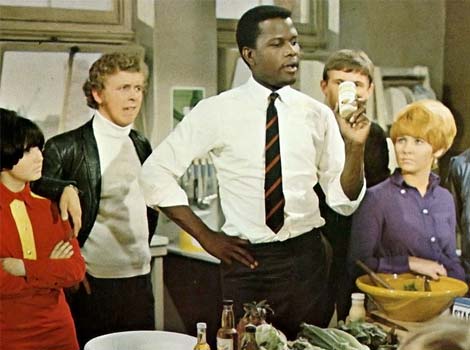
The story begins with engineer and newly arrived immigrant Mark Thakery searching for a job in London. After failing to secure an engineering position he takes a job teaching at an East End high school. He soon learns why the school was willing to hire him without teaching experience when he witnesses the desperate state that the school is in. He is particularly dismayed by his disruptive students, (most of whom have been rejected by other schools) who have earned notoriety after driving their last teacher to resign. Over time, however, he is able to earn their respect and admiration as he abandons the curriculum and sets about preparing them for life after graduation. 

While the film covers territory familiar to anyone who's ever seen an inspirational teacher movie To Sir, With Love was one of the first, and arguably remains one of the best, films in the genre. Through its depiction of Mark's personal and professional struggles the film portrays him as a three dimensional person viewers can relate to, and is all the more effective for it. Similarly, the film aptly humanizes Mark's unruly students by portraying their various problems with empathy without making excuses for their behavior. The film also approaches the tense race relations of 1960's London with a complexity and nuance that are too often sorely lacking in many modern efforts. The film's greatest success, however, is the way in which it shows education as a two-way street as Mark and his students ultimately learn from one another. At once a compelling coming of age story and a portrait of the trials and tribulations of an educator To Sir, With Love is a film that has something for everyone to love.

How do you thank someone who's taken you from crayons to perfume?

The film is brilliantly brought to life thanks to the work of its cast. Suzy Kendall infuses her performance as Mark's colleague, Gillian, with warmth and charm. Dervis Ward personifies the worst in education as the school's cruel gym teacher, Mr. Bell. Christian Roberts exudes adolescent angst as class tough Denham. Pop singer Lulu proves herself to be a talented actress in her infectiously sassy turn as Babs. Judy Geeson steals each scene in which she appears as neglected and lovesick Pamela. Even in the midst of an engaging supporting cast the film belongs to Poitier. In his hands Mark is more than just another inspirational teacher but instead a model of integrity and dignity in the face of adversity.

Over fifty years after its release fans continue to show love for To Sir, With Love. Through its charming script and engaging performances the film highlights issues that continue to plague the education system while setting the standard for modern teacher movies. Through its depiction of the adversity that both Mark and his students face the film offers valid lessons in integrity, resilience, and perseverance that will resonate with viewers of any generation. Experience the quintessential inspirational teacher movie and the ultimate Sidney Poitier film by pulling up a desk with To Sir, With Love. 

Teacher's pet


Friday, January 7, 2022

Classics: A Review of The Cabinet of Dr. Caligari By Lauren Ennis

Dangerously high inflation, a society reeling from a pandemic, a humiliating military defeat, and a political system in turmoil; welcome to 1920 Germany. It was in this year that Germany released what many consider to be cinema's fist true horror movie, The Cabinet of Dr. Caligari. Over a century after its release the film maintains its hypnotic effect upon audiences and continues to influence filmmakers today. At once an unflinching glimpse into the malaise that beset post-war Germany and a thrilling tale of madness and murder The Cabinet of Dr. Caligari remains one of the most groundbreaking and thought provoking films to ever grace the silver screen. Peer into the eerie depths of cinema history and the modern psyche that lie within The Cabinet of Dr. Caligari.

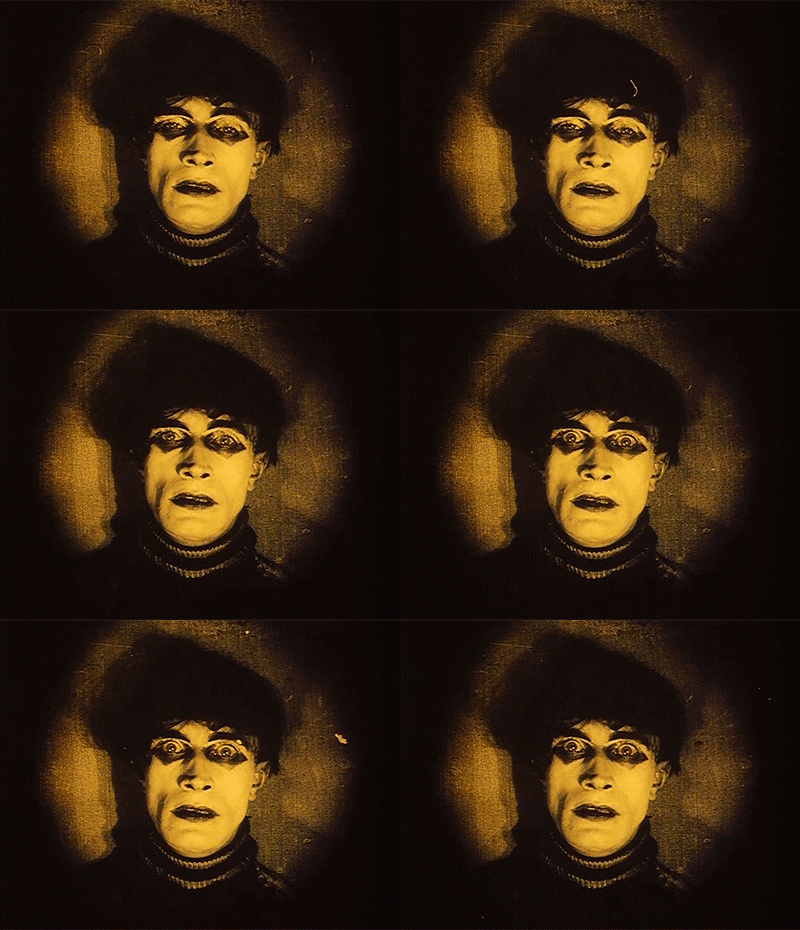
Me pre-coffee

The story begins with Francis sitting on a park bench with an unnamed man listening to the man complain about how spirits have driven him away from his family. The strange conversation abruptly changes when Francis' fiancée, Jane, passes in a trance-like state. The film then launches into a flashback as he relates the events which led to Jane's current condition. The film then shows how Francis' ordinary life is thrown into chaos when he and his friend Allen decide to attend a carnival. While at the carnival, the pair witness an exhibition by the mysterious Doctor Caligari and his psychic somnambulist (sleepwalker), Cesare. During the performance Caligari tells the audience to test Cesare's psychic abilities by asking him a question. Allen asks how long he will live and is mortified when Cesare replies that he will be dead by dawn. When Allen is found brutally murdered the next morning, Francis immediately suspects the doctor's involvement. When police arrest the wrong man for Allen's murder Cesare sets out to kill Jane, only to take pity on her. Before he can leave, however, Jane awakens and begins screaming, prompting him to carry her off into the night. Francis leads the police to Cesare and Jane and a chase ensues that ultimately results in Jane's rescue and Cesare's death. Francis then turns his pursuit to Caligari and follows him into a mental asylum where a devastating revelation awaits.

The truest test of a work of art's value is its ability to withstand the test of time; a test which The Cabinet of Dr. Caligari more than passes. Through its surreal sets, unsettling score, and twisting narrative the film takes viewers on an unforgettable journey into both a tortured mind and a society that has become unmoored. While other films had already begun to include elements of German Expressionism The Cabinet of Dr. Caligari was the fist and only film to completely surrender itself to the surreal style.  Through its innovative use of fun-house style sets, an eerie score, and ominous lighting the film perfectly conveys the world from Francis' distorted perspective, while aptly laying the blueprint for decades of horror films to come. These elements immediately draw viewers into the unusual tale and are certain to leave even the most hardened of modern viewers feeling unsettled. Beyond its aesthetic value the emphasis upon expressionism also serves to underscore the film's twisting narrative, while drawing distinct parallels to the ominous state of German society. For example, the film's bizarre visuals and unnerving score leave viewers with the distinct sense that they are experiencing Francis' delusions along with him. These same elements highlight the deluded state of a society attempting to print its way out of poverty and unwilling to accept its own defeat. Similarly, the script's emphasis upon abusive authority serves as an apt metaphor for citizens' disillusionment with a government that had callously sent them to slaughter and a warning against the dangers of an emerging authoritarianism. The script also offers scathing commentary upon the fine line between entertainment and exploitation that would be relevant in the era of reality television and social media. Through its depiction of a world gone disturbingly awry the film maintains an eerie resonance in an era in which society seems to be descending ever further into madness. For a viewing experience that is certain to haunt you long after its final credits fade enter The Cabinet of Dr. Caligari.


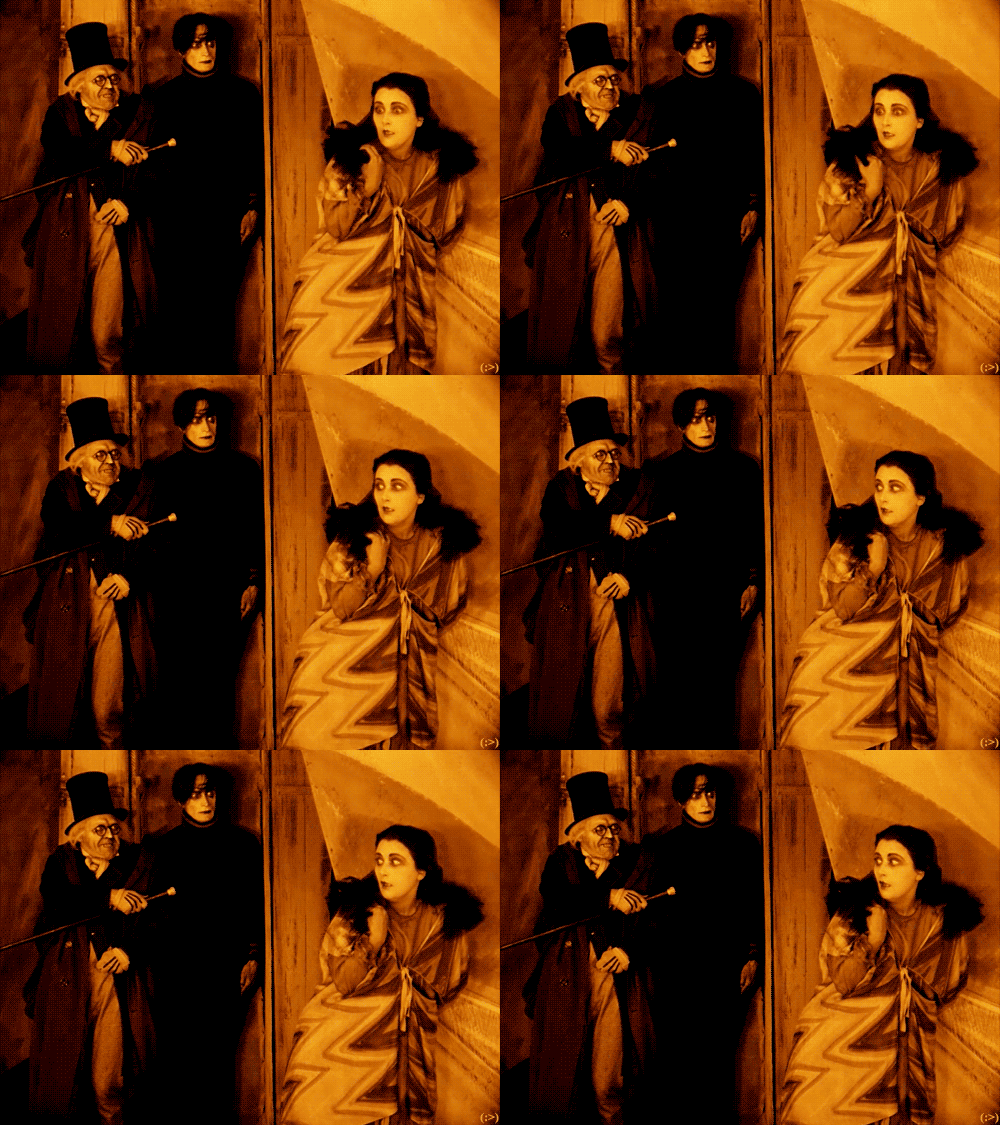
I always feel like somebody's watching me...

The cast brilliantly brings the film's nightmarish world to terrifying life without a single line of spoken dialogue. Hans Heinrich von Twardowski conveys earnestness and likeability as the doomed Allen. Lil Dagover is both charming and vulnerable as damsel in distress Jane. Friedrich Feher turns in a startlingly modern performance as Franics and earns particular note for conveying Francis' anguished desperation in the film's shocking final reveal. Even in the midst of a strong ensemble cast the film is dominated by Werner Krausse and Conrad Veidt as Dr. Caligari and Cesare. Krausse' portrayal of Caligari is a masterful example of character acting as he infuses his every movement and gesture with menace. Veidt manages to do the impossible by humanizing Cesare even as he turns in one of cinema's most ominous performances.

At once an exploration of one man's illness and a call to dispel society's delusions The Cabinet of Dr. Caligari remains every bit as hypnotizing and relevant now as it was at the time of its release over a century ago. Through its unsettling score, mesmerizing sets, and fascinating performances the film brings one of cinema's most unusual and groundbreaking stories to vivid life. The script continues to draw viewers into its labyrinth of murder and madness while raising provocative questions about the insanity of tyranny and the mental state of society. For an unforgettable journey through the depths of cinema history and the darkest corners of the human psyche open The Cabinet of Doctor Caligari.

Who knew the 1920's were so psychedelic?


Tuesday, December 21, 2021

Classics: A Review of The Muppet Christmas Carol By Lauren Ennis

 The trees are alight and spirits are bright, Christmas must be just around the bend. For embittered Ebenezer Scrooge this holy day is nothing more than a "poor excuse to pick a man's pocket every December the twenty-fifth". In 1992's The Muppet Christmas Carol, however, Scrooge learns the true meaning of Christmas with the help of three spirits and a little Muppet magic. This year join the Muppets in a family adventure that will leave you keeping the spirit of Christmas all year long.

With the ominous declaration that "the Marleys were dead to begin with..." the film launches into the beloved tale with Gonzo and Rizzo as our guides. Miserly money lender Ebenezer Scrooge manages his lending firm with ruthless efficiency as he faces another Christmas alone. When night falls he is met with the ghosts of his amoral former business partners who have been sentenced to an eternity of suffering as punishment for their sins on earth. The ghosts warn him of the fate that awaits him should he fail to learn from their mistakes and inform him that he will be visited by three spirits, the ghosts of Christmas past, present and future before dawn. With the arrival of the sprightly ghost of Christmas past Scrooge is launched on a redemptive journey into the depths of his own soul that serves to remind us all of the true meaning of Christmas.

The film accomplishes the daunting task of breathing fresh life and new meaning into the yuletide staple. Rather than parodying the original, the film offers an homage to Dickens the likes of which only the Muppets could provide. Through its blend of the flair that made the Muppets famous and the somber tone of the source material the film delivers a unique take on the Christmas classic. Through its exploration of such weighty topics as poverty, regret, mortality, cruelty, trauma, and alienation The Muppet Christmas Carol is easily the darkest film in the Muppets canon. Rather than shying away from its darker content, however, the film remains largely faithful to Dickens while using music and gentle humor to convey its serious subjects in a way that children can process. As a result, the film sets itself apart from both the Muppets earlier, zanier, works and other adaptations of A Christmas Carol. For viewing that is sure to leave viewers of all ages with a 'grateful heart' spend your Christmas with the Muppets in The Muppet Christmas Carol.


The film transports viewers to its whimsical version of Victorian London thanks to the endearing work of its cast. Steven Mackintosh embodies roguish charm as Scrooge's cheery nephew, Fred. Meredith Braun is lovely in her equal parts vulnerable and resilient portrayal of Scrooge's former fiancée, Belle. Michael Caine turns in one of the most memorable depictions of Scrooge in modern cinema as he expertly captures Scrooge's redemptive journey with full gravitas, all while acting alongside a cast of puppets. The vocal performances and puppeteering combine to bring the Muppets signature charm to the screen. Steve Whitmire earns particular note for his work as Kermit in the wake of the death of Jim Henson.

At once a faithful adaptation of the classic tale and a whimsical adventure the likes of which only the Muppets can provide The Muppet Christmas Carol has become a Christmas classic in its own right. Through its by turns heartfelt and humorous script the film offers a family friendly introduction to Dickens that is certain to entertain viewers of all ages. Through the expert blending of the Muppets' larger than life personas with excellent live action performances the film brings the beloved tale to life with all of the charm, warmth, and good cheer of a Christmas morning. This Christmas curl up with Kermit and the gang in The Muppet Christmas Carol.


Wednesday, December 8, 2021

Classics: A Review of Hugo By Lauren Ennis

 No matter how bleak life may seem there is always a light waiting to warm, comfort, and inspire you at one the screen of the nearest cinema. In 2011's Hugo Martin Scorcese leaves the gangland behind for the charm of Paris and the magic of the movies. The film treats viewers to an imaginative adventure that serves equally well as a masterclass in modern storytelling and a celebration of cinema's most beloved storytellers. At once an action packed youthful adventure and a meditation on the early days of cinema the film has something for everyone in the family. Bask in the marvel that is the movies with Hugo.

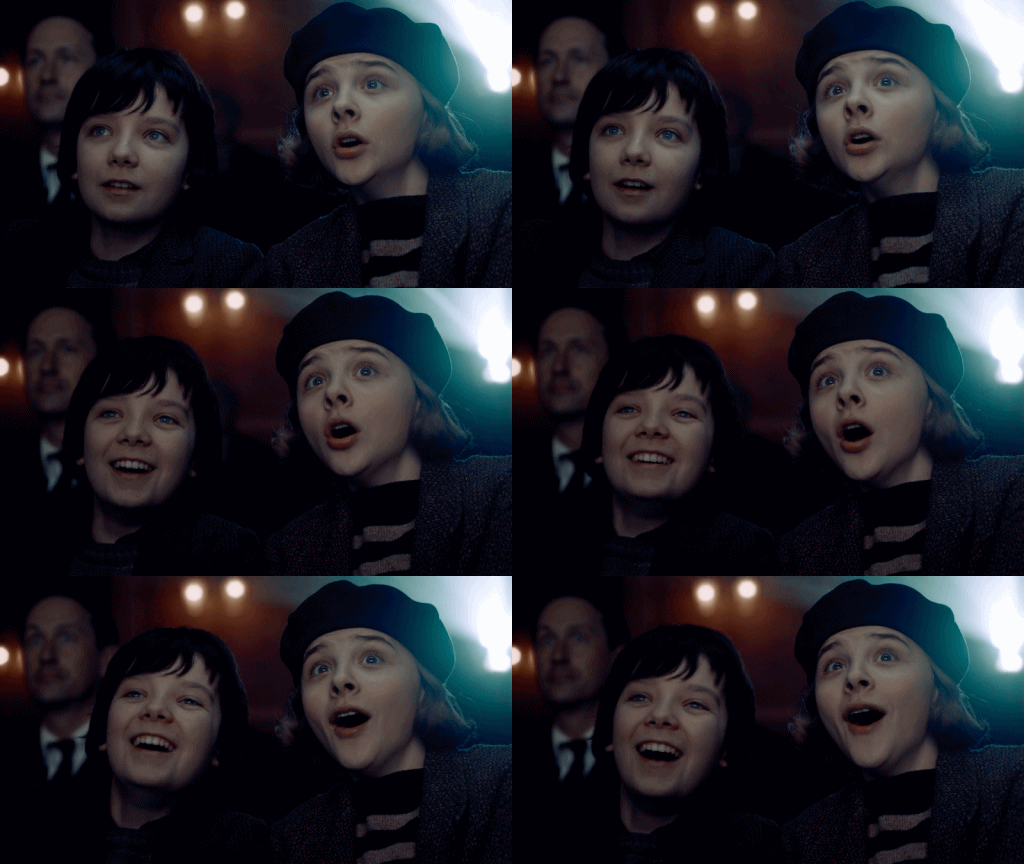
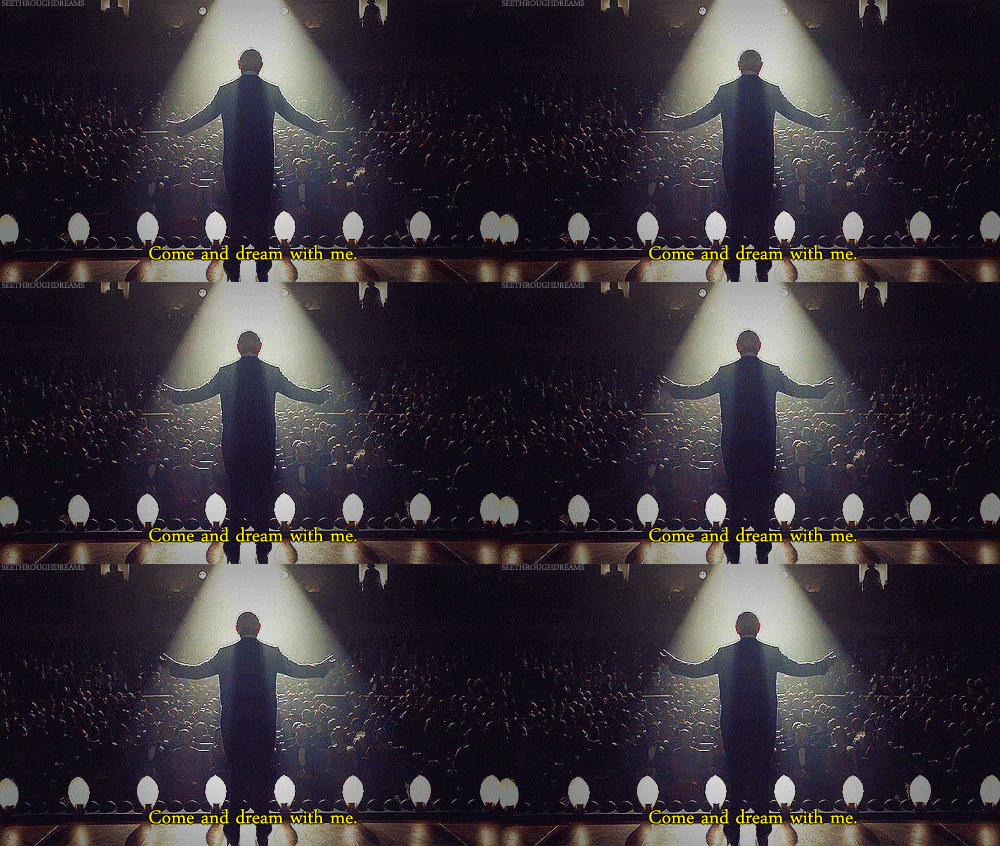
The stuff that dreams are made of

The story begins with Hugo Cabret living with his widowed father in 1931 Paris. When his father brings home a broken automaton from the museum where he works the duo set to work repairing it. Before they are able to complete their project, however, Hugo's father dies in a fire, leaving Hugo in the care of his drunken uncle, Claude. He then begins an apprenticeship and learns his uncle's trade repairing the clocks at the local train station. Just as he begins to adjust to his new life he finds himself alone yet again when his uncle goes missing. Fearing that he will be sent to an orphanage if his uncle's absence is discovered he sets about continuing his uncle's work, all while devoting what little spare time he has to repairing the automaton. In his efforts to fix the automaton he crosses paths with the stern owner of the train station's toy store, Monsieur Georges, and his precocious adopted daughter, Isabelle. Together the three embark upon a journey into the power of storytelling and the magic of the movies and unravel a film history mystery along the way.

This delightful fable is both an ode to childhood and a love letter to the movies. The film sets itself apart from the many forgettable entries in family entertainment by offering a tale that is at once entertaining, intelligent, and entirely family friendly. The film refuses to speak down to its young viewers and instead offers a richly imagined adventure populated with complex characters, heart-stopping action, and weighty themes. In this way, the film offers meaningful lessons in family, resilience, and the power of imagination. Even as it engrosses viewers in its unique story the film also serves as an apt tribute to the magic of the movies and the power of storytelling. Through its exploration of Hugo and Monsieur George's divergent journeys the film highlights the human need for meaning and belonging and the ways in which stories helps us to fill that need.  Both characters use the power of storytelling to come to terms with their pasts while inspiring them to pursue a brighter tomorrow, and encourage viewers to do the same. The incorporation of Georges Melies' most famous works along with other silent era classics serves to immerse viewers in the setting while also raising awareness of the need to preserve the stories we love in order to share them with generations to come.  Lose yourself in the magic of the movies with Hugo.

The film brings its nostalgic and whimsical vision of Paris to vivid life thanks to the brilliant work of its cast. Sacha Baron Cohen leaves slapstick behind and turns in a complex and vulnerable performance as the train station’s intimidating inspector, Gustave. Emily Mortimer personifies loveliness as the station's flower seller, and Gustave's love interest, Lisette. Jude Law steals the few scenes in which he appears as Hugo's kindly father. Helen McCrory is delightful in her by turns smart mouthed and heartfelt turn as Monsieur George's wife, Jeanne. Chloe Grace Moretz offers one of the best child performances in recent years as she perfectly blends intellect, adventurousness, and charm in her portrayal of Isabelle. Asa Butterfield offers an expert turn as Hugo that belies his young years as he alternates between Hugo's street-wise resilience and youthful innocence. Ben Kingsley dominates the film as the outwardly stern but inwardly tormented Monsieur Georges, in a performance that is the that stuff cinema was made for.

At once a childhood adventure and a cinematic valentine Hugo is a film that truly has something to offer to the whole family. Through its richly imagined and well written script the film takes viewers on a journey into the past that is guaranteed to enchant children and adults alike. The film's performances bring the story to vibrant life, immersing viewers in a whimsical world which they will be hard pressed to leave. Gather the family and share in the power of cinema with Hugo.


Friday, November 26, 2021

Classics: A Review of Scent of a Woman By Lauren Ennis

The saying goes that when the student is ready the master will appear. When faced with a crisis at school young Charlie Simms finds the unlikeliest of masters in curmudgeonly Colonel Slade. Over the course of one weekend both men are tried and tested in ways that leave them profoundly changed for the better. At once a coming of age story and a tale of redemption, 1992's Scent of a Woman is just the sort of film that they don't make them quite like anymore. 


The story begins with prep school student Charlie Simms applying for a job to help pay for his flight home for Christmas. He replies to an ad on the school's job board and finds himself tasked with acting as a companion to blind and abrasive retired colonel Frank Slade over Thanksgiving weekend. Before he can start his new position, however, Charlie witnesses his classmates engaging in a prank against the school's headmaster. The headmaster then offers him a proposition; tell who was behind the prank and obtain a personal reference for admission to Harvard or refuse and face expulsion. Even as he grapples with his decision, Charlie finds himself whisked along for Frank's 'last hurrah' spree in which he plans to engage in the height of life's pleasures before succumbing to a military style suicide. Over the course of the ensuing weekend both Charlie and Frank learn valid lessons in honor, integrity, and what it means to be a man.

Scent of a Woman relates a deceptively simple tale of two men thrown together by chance for a holiday weekend. This character study strikes an unusual balance between slice of life indie drama and compelling coming of age story the likes of which Hollywood has rarely seen. The focus upon Charlie and Frank's unique crises allows viewers to get to know both characters, even as it raises vital questions about our own personal experiences and choices. The script deftly weaves between moments of tense drama, sly comedy, and unabashed romance without a single misstep. Similarly, the gradual pace and engaging performances ensure that even at their most outrageous the characters feel unnervingly real. In an era in which cinema is dominated by larger than life action heroes the struggles that Charlie and Frank face seem relatively simple, and entirely relateable. As a result, viewers will be hard pressed not to empathize with and root for these two very different characters. Even as it presents viewers with two entirely human and all too flawed leads, it offers valid lessons in integrity, honor, and responsibility that remain as resonant now as they were in 1992.  This holiday season breathe in the full charm, laughter, and inspiration that await within Scent of a Woman.


"If you make a mistake and get all tangled up just tango on"

Nearly thirty years after its release Scent of a Woman remains a fan favorite thanks to the work of its cast. Gabrielle Anwar turns in one of the film's most memorable performances in her show stopping cameo as Charlie and Frank's sultry acquaintance, Donna. In an early supporting role as Charlie's sleazy classmate and fellow witness, George, Phillip Seymour Hoffman displays the talent that would make him one of the most versatile actors in modern Hollywood. James Rebhorn expertly captures the petty vindictiveness of headmaster Mr. Trask. Richard Venture and Bradley Whitford personify world weariness and bitterness as Frank's beleaguered brother and nephew. Even in the midst of engaging performances the film is dominated by the unlikely duo of Chris O'Donnell and Al Pacino. O'Donnell aptly portrays Charlie's journey from idealistic boy to a young man of integrity without missing a beat. Pacino more than earns his Oscar in a performance that begins intentionally over the top but gains nuance and complexity as both Charlie and viewers get to know the man behind the bravado.

Coming of age story, slice of life, and tale of redemption; all of these things and more can be found in the Scent of a Woman. The script utilizes wit and emotion with equal skill as it relates a simple tale to profound effect. The uniformly superb work of the cast brings the film's array of colorful characters to vibrant life. Through its call to honor and unabashed belief in redemption the film offers lessons in integrity that we could all benefit from being reminded of. This Thanksgiving weekend hit the town with Charlie and Frank in Scent of a Woman.