Thursday, June 30, 2022

Classics: A Review of Harriet the Spy By Lauren Ennis

 "I want to learn everything I can and write down everything I see. If I want to be a writer someday I better start now, and that is why I am a spy" so says would be writer and full time spy Harriet. 1996's Harriet the Spy follows the adventures of its young heroine as she pursues her dream of becoming a writer and finds herself along the way. Every bit as feisty as its protagonist, the film presents an unflinching portrayal of the pain of growing up and the joys of discovering who you are and who you want to be. Join Harriet for a tale of the betrayals, intrigues, friendships, and lessons that define adolescence in Harriet the Spy.

The story follows precocious eleven year old Harriet Welsch over the course of a tumultuous school year.  Aspiring writer and self-professed 'spy' Harriet spends her days watching the eccentrics who populate her neighborhood and writing down her observations. With her parents engrossed in their careers and social lives she finds solace in the encouragement of her devoted nanny, Golly. After a misunderstanding leads to her parents firing Golly, Harriet enters a deep depression and retreats into her writing. When bully Marion discovers Harriet's notebook the young spy's brutally blunt observations are shared with their entire class. Separated from Golly and outcast at school she begins lashing out, leading her parents to ban her from writing. Just when she is certain that there is nowhere she can turn, however, she finds the inspiration to use her writing to "put beauty in this world" and learns valuable lessons about friendship, forgiveness, and the importance of giving people a second look.

Harriet the Spy brilliantly brings one of the most iconic characters in children's literature to life in all of her inspiring and infuriating glory. The film relates its tale from Harriet's viewpoint, allowing viewers  to see the world through the at once innocent and brutal eyes of a child on the verge of adolescence. As a result, the film refuses to speak down to young viewers and offers a refreshingly honest depiction of childhood that is rarely seen in family entertainment. The film follows Harriet through a series of misadventures in which she faces bullying from her classmates, and a lack of understanding from the adults in her life. Even as she finds herself outcast both at school and at home, however, the greatest struggle that she endures is the one within herself. Through its depiction of her efforts to come to terms with the person she is and attempts to become the person she wants to be the film offers a coming of age tale that is equally inspiring and relatable. Even as it maintains a firm focus upon its quirky heroine the film offers a colorful cast of engaging characters who highlight Golly's lesson that "there are as many ways to live in this world as their are people in this world and each one deserves a closer look". Gear up for an unforgettable adventure into adolescence and espionage with Harriet the Spy.


The film brings the characters from Louise Fitzhugh's 1964 classic novel to brilliant life thanks to the work of its cast. J. Smith Cameron and Robert Joy aptly portray the journey of Violetta and Ben Welsch from absent adults to involved parents. Vanessa Lee Chester is an eccentric delight as Harriet's aspiring scientist friend, Janie. Gregory Smith portrays Harriet's struggling friend, Sport, with a subtlety and skill that belies his years. Charlotte Sullivan earns her place amongst cinema's greatest mean girls as Marion. Rosie O'Donnell steals each scene in which she appears in her inspiring turn as Golly. Even in the midst of excellent supporting performances the film belongs to Michelle Trachtenberg in a performance that balances vulnerability, bravado, and pathos as the indomitable Harriet.

This portrait of the artist as a young spy is certain to delight young viewers and the young at heart. The film's intelligent script maintains the wit of the original novel while adding a dose of '90's attitude. The endearing performances bring each of the colorful characters to vibrant life. At once a tribute to childhood and a chronicle of the pain of growing up this film serves as an apt ode to the adventures of adolescence. For intrigue that the whole family can enjoy grab your binoculars and hit the spy route with Harriet the Spy.



Wednesday, June 8, 2022

Classics: A Review of The House on Carroll Street By Lauren Ennis

Corrupt federal agencies, government show trials, and political persecution are just democracy in progress according to the House on Un-American Activities Committee. 1988's The House on Carroll Street explores the impact of government overreach, the consequences of leaving federal agencies unchecked, and the need for dissenting voices all while relating one of the best thrillers that Hitchcock never made. At once an indictment of one of the darkest chapters in American history and a classic suspense story, the film raises provocative questions that continue to resonate today. For a thriller that is guaranteed to get your pulse and mind racing pay a visit to The House on Carroll Street.


The story begins in 1951 as Life magazine photo editor Emily Crane is forced to testify during a House on Un-American Activities Committee hearing. When she refuses to cooperate with the committee and name friends and colleagues she is fired and later finds employment as a companion to an elderly woman. Soon after starting her new job she notices strange things happening at the house next door. She tries to begin a friendship with a young refugee living in the house, but their brief acquaintance is brutally ended when he is murdered. Blaming herself for his death, she sets out to solve his murder and see that his killer is brought to justice. In her ensuing investigation she stumbles upon a devastating revelation that puts her at the center of a dangerous conspiracy that extends far beyond the confines of The House on Carroll Street.

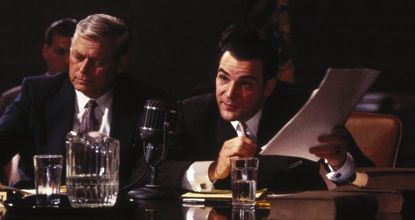
The House on Carroll Street is in many ways more pertinent viewing now than at the time of its release over thirty years ago. Inspired by two of the darkest chapters in America's history the film offers vital lessons for our own politically fraught era. The story begins with Emily testifying in one the infamous House on Un-American Activities 'red scare' hearings and highlights the ways in which political overreach and forced consensus allowed the government to discredit, prosecute, and effectively blacklist citizens who held dissenting beliefs. Similarly, her ongoing harrassment at the hands of federal agents reveals the ways in which citizens were stripped of their rights and dignity. These elements of the film offer valid insight into the hysteria of the McCarthy era and bear an uncanny resemblance to the blacklisting efforts of  'cancel culture' and the increasing persecution of political opponents and dissenting voices in modern America. The film also draws ample inspiration from Operation Paperclip, the real-life CIA operation in which US intelligence relocated Nazi scientists and war criminals in an effort to combat the rising threat of the Soviet Union. The depiction of nefarious top secret operations and the lengths at which federal agencies go to conceal them serve as an apt warning against the dangers of unchecked government power and contain striking similarities to events dominating today's headlines. Even as it offers a vital political critique the film never resorts to heavy handedness and instead allows the actions of its characters and the ramifications of those actions to speak for themselves. In the midst of its provocative political and ethical questions the film never sacrifices any of its thrills or suspense and offers a twisting plot that would have made even Hitchcock himself proud. For a thriller that will get your heart racing and your mind reeling stop by The House on Carroll Street.


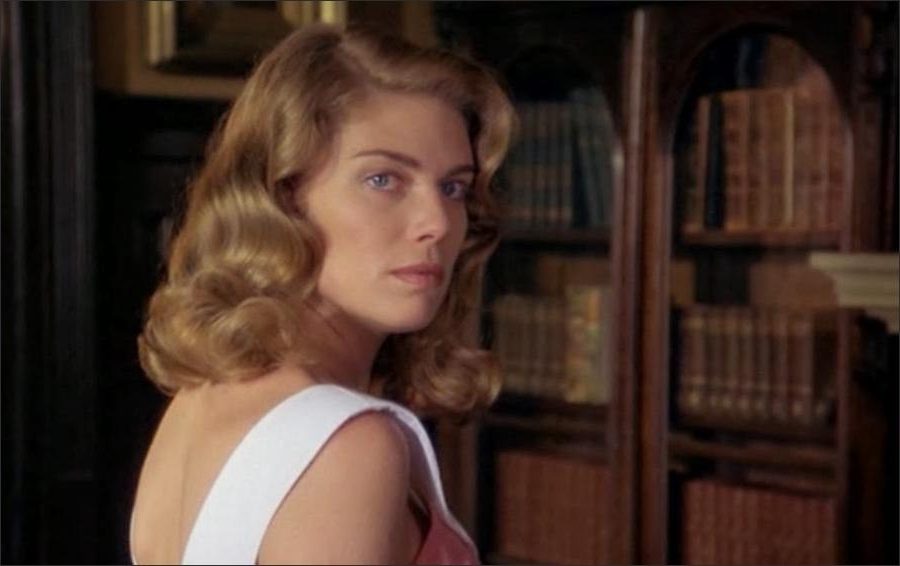
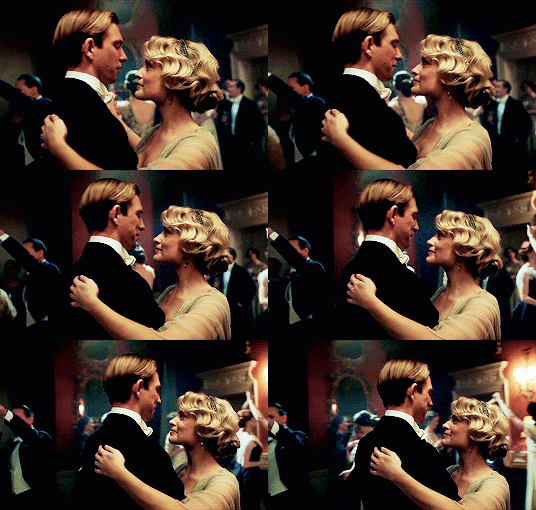
The film transports viewers to 1950's New York thanks to the brilliant work of its cast. Jessica Tandy proves an entertaining curmudgeon as Emily's elderly employer, Miss Venable. Christopher Buchholz personifies torment in his brief appearance as war refugee Stefan. Jeff Daniels conveys decency and charm as morally conflicted FBI agent Cochran. Mandy Patinkin steals each scene in which he appears as callous federal prosecutor Ray Salwen. Kelly McGillis shines in a multi-faceted performance worthy of Old Hollywood's leading ladies as the determined Emily.

The House on Carroll Street is an old school Hollywood thriller that remains eerily relevant today. The film's exploration of a largely hidden part of America's past sheds much needed light on one of the nation's darkest secrets and raises vital questions that we continue to wrestle with today. Through its uniformly engrossing performances the film weaves a twisting plot that is certain to have viewers on the edge of their seats. For a thriller that will keep you guessing until its final review and asking questions long after its final credits fade step inside The House on Carroll Street.


Tuesday, May 24, 2022

Classics: A Review of Goodbye Christopher Robin By Lauren Ennis

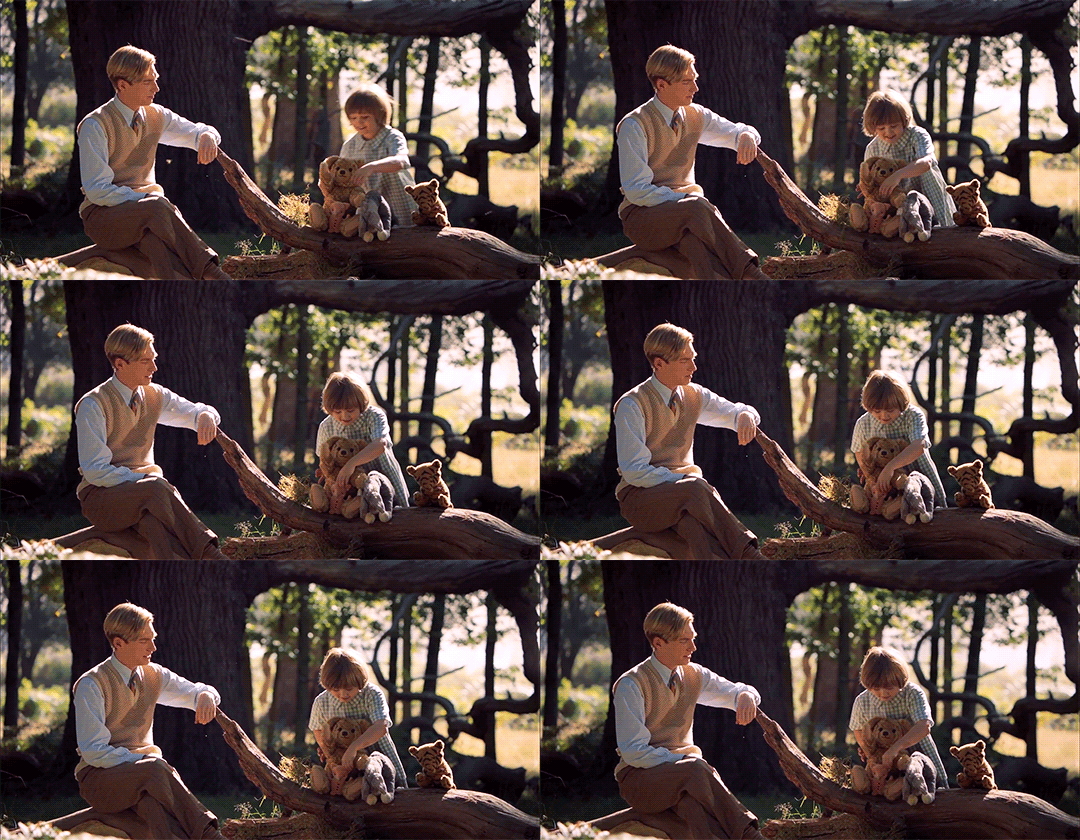
 For nearly a century Winnie the Pooh has enchanted generations of the young and young at heart. While readers around the world know the adventures of Pooh and his friends, less well known is the story of the father and son who inspired it. 2017's Goodbye Christopher Robin explores the story behind the beloved classic in an homage to the power of storytelling and the bond between fathers and sons. This Father's Day take a stroll in the Hundred Acre Wood with A. A. Milne and Christopher Robin.

We didn't realize we were making memories. We just knew we were having fun.

The story begins in 1941 with author A. A. Milne and his wife receiving a telegram telling them that their son, Christopher Robin, is missing in action. The film then flashes back decades earlier  and reveals the horrors that Milne witnessed while fighting in World War I. When the war ends he returns home to his socialite wife, Daphne, and struggles to readjust to civilian life. Despite his best efforts, however, he continues to suffer from 'shell shock', or what is now known as PTSD. In an effort to exorcize the demons of his past he becomes determined to write a compelling anti-war drama, much to the dismay of Daphne, who maintains that an anti-war piece will never sell enough to maintain their lavish lifestyle. While he struggles to resume writing she gives birth to their only child, Christopher Robin. Unfortunately, she spends more time partying than parenting and Milne's trauma leaves him unable to connect with his son. As a result, Christopher Robin develops distant relationships with both of his parents. When Christopher's nanny is forced to leave to care for her sick mother and Daphne is called away for a social engagement Milne is left alone with his son for the first time. Over the course of the ensuing weeks the two spend an idyllic summer playing with Christopher's stuffed animals and crafting the imaginative adventures that will become the basis for beloved best seller Winnie the Pooh. Just as father and son finally develop the bond that they both desperately need, however, they find their relationship threatened by the media frenzy surrounding the very story that had brought them together.

Through its portrayal of A. A. Milne's professional triumphs and personal trials the film offers a bittersweet portrayal of fathers and sons. Through its dual story arcs of Milne's attempts to overcome his wartime trauma and Christopher Robin's efforts to cope with the fallout from his unwanted fame the film offers a stark portrait of innocence lost. In its flashbacks to Milne's wartime experiences and its depiction of the war's lingering impact the film highlights the ways in which World War I shattered an entire generation. Similarly, the film's portrayal of Christopher's experiences bombarded by media and tormented by bullies relates the impact of personal trauma. Despite their distant relationship both find solace in their all too brief moments of bonding. It is during their summer together that Milne is finally able to relax enough to work through his writer's block and begin to leave the ghosts of his past behind. Similarly during this holiday Christopher gains confidence expands his imagination. When Milne allows his newfound success to consume his life, however, both he and his son suffer the consequences. It is only years later when both are finally able to come to terms with their pasts and forgive both themselves and each other that they begin to move forward with their lives. For a father-son outing that is guaranteed to not leave a dry eye in the house say Goodbye Christopher Robin.

As soon as I saw you I knew a grand adventure was about to happen

The film transports viewers from the desolate battlefields of France to the bustle of London, to the magic of the Hundred Acre Wood thanks to the brilliant work of its cast. Stephen Campbell Moore infuses his performance as Milne's fellow veteran and dedicated friend, illustrator Edward H. Shepherd with wit, understanding, and decency. Kelly MacDonald personifies loveliness in her warm portrayal of Christopher's devoted nanny, Olive. Margot Robbie perfectly balances effervescent charm with flightiness as self-absorbed Daphne. In the midst of stellar supporting performances the film belongs to Domhnall Gleeson and Will Tilston as Milne and Christopher Robin. Gleeson captures the dual nature of the outwardly cold and inwardly tormented Milne with depth, nuance, and a vital humanity. Similarly, Tilston is a portrait of childhood innocence as eight year old Christopher, while Alex Lawther expertly conveys teenage Christopher's desperation to escape the shadow of both his father and Winnie the Pooh.

Goodbye Christopher Robin is at once a unique story behind the story of a beloved children's classic and a universal tale of family, fame, and lost innocence. Through its deftly written script the film brilliantly relates the tale of how Winnie the Pooh came to be and the terrible cost to the boy who inspired it. The uniformly superb performances bring both the life and times of A. A. Milne and the adventures of Winnie the Pooh to vibrant life. This father's day join Milne and Christopher Robin for a visit to Pooh Corner in Goodbye Christopher Robin.

How lucky I am to have something that makes saying goodbye so hard


Saturday, May 14, 2022

Classics: A Review of Black Book By Lauren Ennis

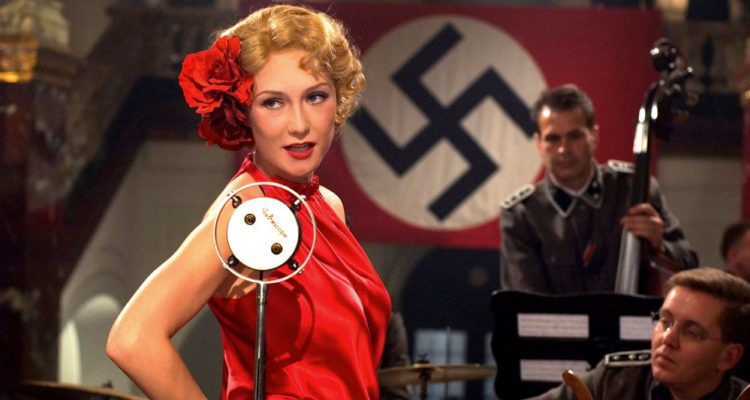
 Cinema is rife with movies set during World War II. Few films, however, have portrayed the war with the unflinching grit of 2006's Black Book. Set against the backdrop of the German occupation of Holland this film offers none of the war time glory, home front heroism, or easy answers viewers have come to expect from World War II dramas. Instead, the film presents viewers with a morally murky, emotionally conflicting, and visceral view of war that is nothing short of haunting. For a war drama that is equally provocative and thought provoking take a page from Black Book.


The story begins in 1944 Holland with Jewish singer Rachel Stein hiding from the occupying Germans in a local farmhouse. She is forced to flee when the farmhouse is destroyed by an Allied bombing. She then reunites with her family and arranges to book passage with other refugees out of occupied territory. Before they can make their escape, however, their boat is ambushed in an attack by the SS that leaves Rachel the only survivor. Following the attack she abandons her plans to flee and becomes determined to exact revenge upon the regime that murdered her family. With the help of a family friend she contacts the Dutch resistance and sets out to join their ranks. Soon after joining the resistance several members of her cell are captured, and she is tasked with seducing the local SD Commander in order to learn their fate. As her mission unfolds, however, she starts falling for her intended target and finds herself at war with her own heart as well as with the Nazis. As the war draws to a close she's pitted against the Nazis, her fellow resistance fighters, and her own countrymen in a harrowing struggle for survival. 

Through its portrayal of ordinary people attempting to survive extraordinary times Black Book sets itself apart as an espionage drama that raises as many moral questions as it does thrills. Rather than a black and white tale of villains and heroes the film offers a complex tale of deeply flawed and compromised individuals forced to navigate devastating decisions. In its portrayal of Rachel as a Jewish woman infiltrating the upper echelons of the Third Reich the film inverts the conventions of Holocaust dramas and raises a series of ethical questions. By showing the story from Rachel's perspective the film places viewers in the uncomfortable position of wondering what they would do if they were in her compromised shoes. Her relationship with SD Commander Ludwig Muntze is particularly precarious as it shows characters from opposite sides of a genocide finding humanity, understanding, and even romance with the enemy. In this way the film reminds viewers of the individuals behind the flags in every war and forces viewers to confront the reality that even the most seemingly black and white conflicts contain shades of grey. The film's depiction of betrayal within the ranks of the resistance also offers a complex take on the all too human people behind even the most noble of causes. Similarly, the depiction of the anti-Semitism rampant across war-time Europe (both several resistance fighters and the family hiding Rachel display blatant anti-semitism) highlights the attitudes that made it all too easy for the Nazis to rise to power. Join Rachel on a journey into the darkest chapters of recent history and the murkiest corners of the human heart in Black Book.


The films transports viewers to occupied Holland thanks to the stellar work of its cast. Helene Reijin is a saucy delight worthy of Mae West as Rachel's unlikely ally, SD secretary and SS Officer's mistress Ronnie. Thom Hoffman alternates between roguish charm and menace in his performance as resistance member Hans Akkerman. Waldemar Kobus makes for an ideal villain in his brutal turn as sadistic SS officer Gunther Franken. Derek de Lint is a portrait of tortured grief as resistance leader Gerben Kuipers. Sebastian Koch infuses Rachel's conflicted target turned love interest, Ludwig Muntze, with a humility, depth, and humanity that leave little question as to why she falls for him. Carice van Houten is a revelation in a performance that is at once seductive, witty, steely, tormented, and never less than compelling as Rachel.

At once a rollicking thriller and a harrowing portrait of the horror of war Black Book is not your parents' spy drama. Through its intricately plotted and emotionally raw script the film takes viewers on a devastating journey into the abyss that is war. The uniformly superb performances bring the film's cast of compromised characters to life with a subtlety and humanity that elevates the film beyond just another tale of heroes and villains. For a war-time thriller that will linger in your memory long after the closing credits fade flip through Rachel's little Black Book.


Tuesday, May 3, 2022

Classics: A Review of Mermaids By Lauren Ennis

The bond between mothers and daughters has been explored on screen since cinema's inception. The majority of these films showcase the ways in which mothers mold their daughters as they navigate life's trials and triumphs. One film, however, features a mother who has just has much growing up to do as her daughter. 1990's Mermaids introduces viewers to an unforgettably outrageous pair in the form of rigid Charlotte and spontaneous Rachel, both of whom have a lot to learn. At once a heartfelt drama and a quirky comedy this coming of age film is the perfect cinematic treat to dive into this Mother's Day. 

Just another all-American family

The story begins in 1963 with fifteen year old Charlotte leading a chaotic existence with her free spirited single mother, Rachel, and her younger half sister, Katie. The trio leads a nomadic existence with the family relocating every time that Rachel's latest relationship ends. At the film's start, the family is preparing to leave Oklahoma for Massachusetts following the end of her latest affair with her married employer. The constant changes lead Charlotte to become resentful of her mother and determined to shape herself into Rachel's polar opposite. As a result, she begins the film bent on becoming a Catholic nun in an effort to rebel against her mother's Jewish heritage and promiscuous lifestyle. The family's new home next to a New England convent seems like a perfect fit for her ambitions until she finds herself besotted by the convent's handsome young caretaker, Joe. While Charlotte struggles to make sense of her attraction to Joe, Rachel embarks upon an unlikely romance with divorced shoe store owner, Lou. A fateful series of events eventually forces mother and daughter to accept each other and themselves.

Expertly balancing between surreal comedy and domestic drama Mermaids celebrates mothers and daughters in all of their complex glory. Through its portrayal of two unique women grappling with everyday problems the film offers a take on motherhood that is at once refreshingly original and reassuringly universal. For example, Charlotte's dueling obsessions with her dream of becoming a nun and her fantasies of Joe make for a conflict that is rife with comedic potential. Simultaneously, however, this same conflict highlights Charlotte's resentment towards her mother and yearning for the stability and structure that she was always denied. In this way the film uses off beat humor to explore the darker side of mother-daughter relationships and the ways in which our parents shape who we don't want to be as much as who we are.  The film's narration from Charlotte's at once world weary and painfully naïve perspective also offers quirky humor, even as it relates her all too familiar struggles with growing up. Similarly, the film's depiction of Rachel's defiant nonconformity offers plenty of laughs as she raises eyebrows everywhere she goes, including at home with her own children. As the film delves into her backstory, however, it becomes apparent that there is a painful past behind her endearing eccentricity. Through its loving portrayal of its flawed heroines' efforts to accept themselves and each other the film serves as an apt reminder of the importance of family and shows that it is never too late to grow up. For a film that offers up laughter, tears, and plenty of mama make waves with Charlotte and Rachel in Mermaids.

The film transports viewers to 1960's New England thanks to the mesmerizing work of its cast. Michael Schoeffling infuses strong silent type Joe with an alluring blend of mystique and vulnerability. Christina Richie is delightfully deadpan as swimming obsessed Katie. Bob Hoskins conveys warmth, humor, and charm as Rachel's surprising suitor, Lou. Wynona Ryder and Cher dominate the film as indomitable duo Charlotte and Rachel. Ryder is a portrait of adolescent angst, yet manages to imbue her performance with a sincerity, wit, and intelligence that ensure that Charlotte is more than just another mopey teen. Cher steals each scene in which she appears as the vampish Rachel in a performance that perfectly blends her signature charisma with comedy, restlessness, and vulnerability.

At once a poignant family drama and an off beat coming of age story Mermaids is every bit as magical as the creature it is named for. Through its winning combination of quirky comedy, domestic drama, and vital life lessons the film proves itself to be one of the most memorable mother-daughter films to grace the silver screen. The superb performances of the stellar cast bring each of the film's endearingly eccentric characters to vibrant life. Make a splash this Mother's Day with Rachel and Charlotte in Mermaids.


Tuesday, April 19, 2022

Classics: A Review of Napoleon Dynamite By Lauren Ennis

 High school is a time marked by first loves, friendships, angst, trials and triumphs. As a result, its little wonder why high school has been a favorite topic of filmmakers since virtually the dawn of cinema. What filmmakers too often forget is that high school is also the most awkward period in many people's lives. The 2004 surprise hit comedy Napoleon Dynamite explores adolescence at its most uncomfortable, offbeat, and ultimately inspiring to hilarious effect. For what is easily the most uproarious, original, and unexpected high school movie ever put to celluloid pull up a desk next to Napoleon Dynamite.


The film follows the misadventures of gawky teen Napoleon Dynamite in rural Idaho. His eccentric interests, awkward manners, and refusal to adhere to social norms makes him a target for the ridicule of his peers. Despite the snickering of his classmates, however, he carries on with his life with total self-assurance and zero self-awareness. Napoleon's life is soon complicated when his grandmother is injured in a moped accident, leaving him and his chat-room addicted older brother, Kip, in the care of their uncle, Rico. After years wasting away in a van and obsessing over his high school glory days Uncle Rico eagerly accepts the opportunity to move in and immediately declares himself head of the household. While Uncle Rico enlists Kip in a series of hilariously unsuccessful 'get rich quick' schemes Napoleon sets about making friends with fellow misfits Deb and Pedro. Together, the terminally uncool trio launch Pedro's bid for class president in a campaign that is nothing short of comedy gold.

Nearly twenty years after its release Napoleon Dynamite remains a cult classic. With its low budget, unknown cast, minimal plot, off beat humor, and small town setting the film seemed destined to flop. Yet it its those same characteristics that would normally work against any film's chances of success that endeared Napoleon Dynamite to audiences. The film's minimal budget and unknown cast lends the central tale of small town life a sense of authenticity. The plot particularly sets the film apart by presenting a high school film that stands in cheerful defiance of all things high school movies stand for. While high school films generally glamorize adolescence Napoleon Dynamite presents a true to life account of teen life in all of its mundane glory. In place of gorgeous teen idols engaging in decadent behavior, the film displays ordinary adolescents doing their best to navigate the everyday struggles of high school. As a result, the antics of Napoleon and his friends prove far more relatable to the average viewer than the films that have come to define the teen film genre. The film also breaks with genre conventions by embracing the awkwardness of adolescence and the eccentricities of small town life through its portrayal of ultimate oddball Napoleon and his equally unusual friends. Instead of striving to be part of the 'in crowd' or keeping up with the latest social trends Napoleon, Deb, Kip, and Pedro take their outsider status in stride. While the film has plenty of fun with its characters' quirks the script's gentle humor ensures that viewers are laughing with the cast rather than at them. As a result, each of the characters' remains the hero in their own (outrageous) story, and none are reduced to punch lines or victims. In this way, the film acts as a love letter to the awkwardness and absurdity of adolescence and the misfit in all of us. "Follow your heart" and "make all of your wildest dreams come true" as only rural America can with Napoleon Dynamite.


The film transports viewers to Napoleon's whimsical world of rural Idaho thanks to the work of its cast. Haylie Duff personifies mean girl as class president favorite Summer Wheatley. Trevor Snarr makes for an ideal villain as the brutish bully Don. Shondrella Avery is a delight in her charming portrayal of Kip's big city love interest, Lafawnduh. Diedrich Bader packs the perfect comedic punch as stereotypical small town karate sensei Rex Kwon-Do. Jon Gries steals each scene in which he appears in his uproarious turn  the by turns hapless, smarmy, and overbearing Uncle Rico. Aaron Ruell perfectly blends slapstick, dry delivery, and sincerity in his portrayal of  Kip. Efren Ramirez is the ultimate fish out of water in his deadpan performance as Pedro. Tina Majorino infuses Deb with an endearing  girl next door charm as she portrays Deb's gradual journey from crippling shyness to confidence. Even in the midst of strong supporting performances the film is dominated by Jon Heder in his titular turn as Napoleon. In Heder's hands nerdy outcast Napoleon is not the victim or wannabe that any other teen film would regulate him to, but is instead the unlikeliest of heroes and the ultimate iconoclast.

Napoleon Dynamite is a comedy that is every bit as outrageous and original as its hero. Through its sly satire of high school movies and small town life the film offers dry humor that is guaranteed to leave even the most hardened of critics cracking a smile. Similarly, the by turns mundane and outlandish plot provide enough slapstick to leave comedy connoisseurs laughing out loud. The cast display expert comedic skill and sincerity which ensure that each of the film's oddball characters endear themselves to audiences. Put on your best moonboots and dance to the beat of your own drum with Napoleon Dynamite.


Saturday, April 9, 2022

Classics: A Review of Miracles from Heaven By Lauren Ennis

 Can you believe in something that defies explanation? How do you keep faith in a world that seems to test it every day? These are the questions that lie at the heart of 2016's Miracles from Heaven. This drama expertly balances faith and family to relate the true story of Annabel Beam, a terminally ill child who was miraculously cured by a near-death experience. As Easter approaches this tale of healing, hope, and renewal is a cinematic treat for the whole family.


The story begins with in Burleson, Texas in 2007. Ten year old Annabel "Anna" Beam is living an ordinary life on her family's farm with her parents and two sisters. Her life is suddenly turned upside down when she begins experiencing digestive troubles. After years of surgeries, treatments, and constant pain she is finally diagnosed with intestinal pseudo-obstruction, a rare and sometimes fatal digestive disorder. Complications of her illness leave her unable to eat without a feeding tube or engage in many normal activities, as well as suffering from excruciating pain. Her mother, Christy, then embarks upon a quest to find a physician who can treat Anna in a journey that takes the duo across the country to Boston Children's Hospital. After Anna's treatments stop working Christy resolves to take her home to spend what are likely her final days surrounded by family. Upon her return, Anna endures a harrowing near-death experience that alters the course of her life and leaves everyone around her questioning whether maybe miracles might be real after all.

Miracles from Heaven sets itself apart from other faith based films by telling a story that speaks to the devout and non-believers alike. Many films in the genre prioritize  message over story, leaving viewers feeling as though they are attending a sermon rather than immersed in a cinematic experience. As a result, mainstream audiences often find it difficult to engage in these films and leave the theater feeling alienated rather than inspired. By focusing upon the many ways in which the Beam family's faith is tested Miracles from Heaven acknowledges how easy it is to question or lose your faith. The film avoids presenting itself as patronizing or preachy as it invites viewers to reflect upon their own trials and the ways in which their own beliefs have been shaken. While the Beams' story is truly unique, their struggles remain entirely relatable. As a result, viewers from all walks of life will be hard pressed not to become invested in Anna and Christie's story. Through its at once heartbreaking, heartwarming, and ultimately uplifting story Miracles from Heaven takes viewers onto an unforgettable journey that will have the whole family believing in miracles.


Annabel Beam's miraculous true story is vividly brought to life thanks to the work of the film's stellar cast. Queen Latifah lends her signature wit and heartfelt charm to her portrayal of Angela, the Boston waitress who befriends Anna and Christy and offers them a tour of the city. Eugenio Derbez showcases a perfect bedside manner as Anna's gastroenterologist Dr. Nurko. Brighton Sharbino and Courtney Fansler lend realism, depth, and charm to their turns as Anna's sisters, Abbie and Adelynn. Martin Henderson imbues his performance as Anna's father with warmth and humility. Hannah Alligood conveys innocence and resilience with equal skill in her heartbreaking performance as Anna's hospital roommate, Haley. Wayne Pere captures the torment and eventual redemption of Hayley's skeptical father with eerie realism.  Even in the midst of excellent supporting performances, the film belongs to Jennifer Garner and Kylie Rogers as Christy and Anna. Garner personifies the term 'mama bear' in a portrayal that blends maternal warmth, steely resolve, and sacrifice as Christy. Rogers turns in a performance that belies her young years as she captures Anna's journey from carefree child, to terminally ill patient, to survivor with depth, sincerity, and realism.

At once a unique account of one family's experience to the brink and back again and a universal and a tale of faith and family Miracles from Heaven is Easter viewing for the whole family. Through its well written script the film avoids the clichés and pitfalls associated with faith based films and relates one family's trials and triumphs in a way that will engage the devout and non-believers alike. The uniformly superb performances bring the story to life in by turns wrenching and uplifting performances that viewers will be sure to relate to. This Easter have a little faith with Christy and Anna in Miracles from Heaven.