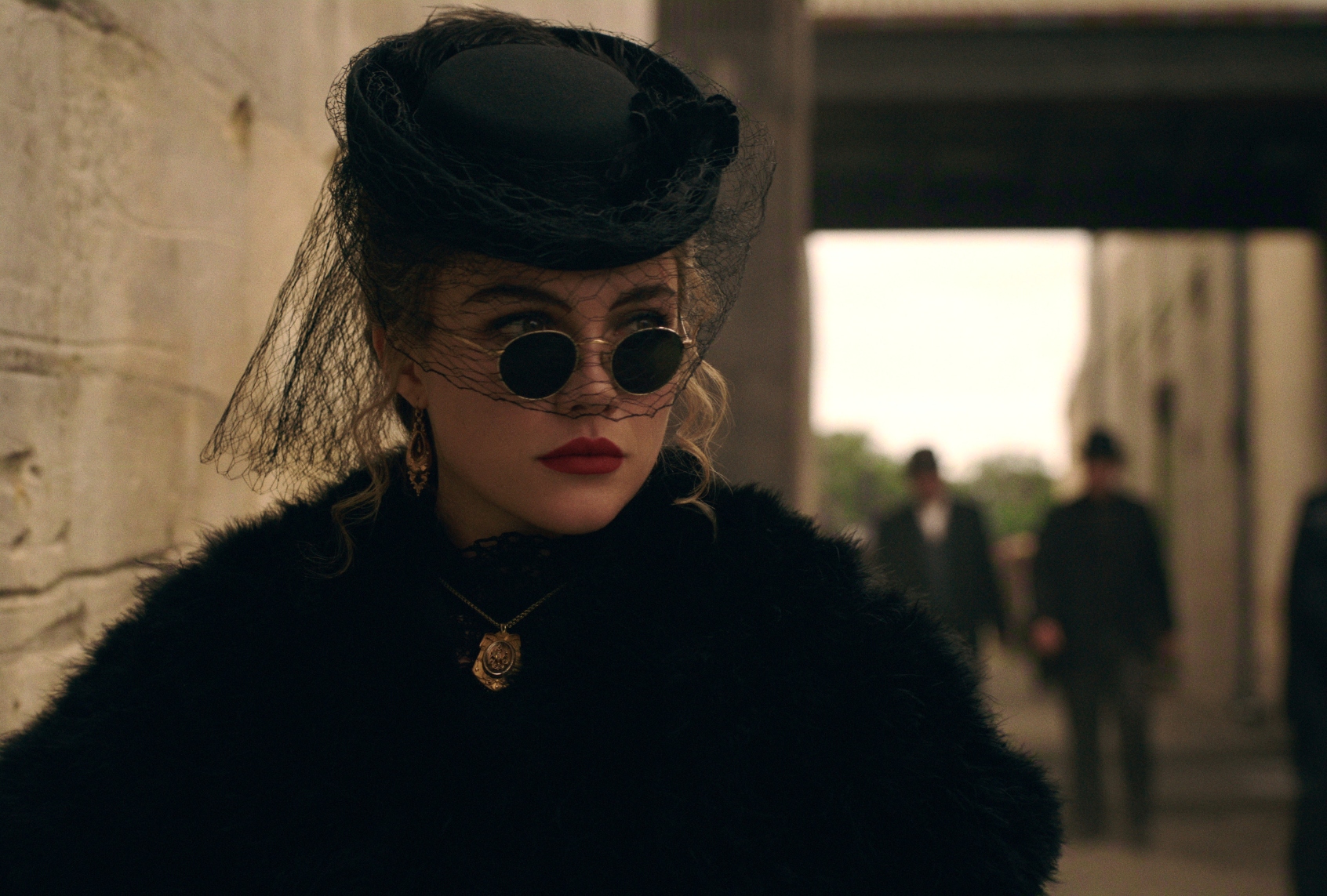
Since cinema's inception viewers have escaped from the complications and grit of the present to a kinder, more genteel, vision of the past through period dramas. Netflix's 2026 period drama The Doll could not be further removed from the escapist historical fantasies that viewers have come to associate with the genre. Instead of showcasing an idealized, escapist, view of the past, the series explores such timeless, but dark, themes as sexual obsession, financial exploitation, and social restrictions. In this way, the series offers a fresh take on the period piece that is strikingly modern and shockingly relevant. If you're tired of the romanticized, glossy, period dramas on offer from the US and UK, book a trip to the gritty streets of nineteenth century Poland in The Doll.
The story begins in 1878 Warsaw with a sudden explosion destroying Stanislaw Wokulski's department store. The series then flashes back several months to relate the events which led to the explosion. The series next shifts its focus to Stanislaw's relentless efforts to win the hand of haughty aristocrat Isabela Lecki. Despite her many blunt rejections of him, he refuses to give up on his pursuit of her. When her alcoholic father places the family into financial ruin she finally turns to Stanislaw for refuge; or does she? What follows is a battle of wills that pits each of them against the status quo and each other.
The series sets itself apart from other period pieces through its commitment to maintaining historical accuracy while relating a startlingly modern story. The series' sets and costumes immediately immerse viewers in the world of 1870's Warsaw. The mansions, hotels, and luxury stores used by the city's elite make for a stunning display of wealth and influence. By the same token, the slums, brothels, and homeless shelters that are populated by the city's most marginalized are haunting in their utter bleakness. These sharp contrasts ensure that viewers see not only the Warsaw that Stanislaw and Isabela inhabit but also the gritty foundation upon which it was built. Similarly, the costumes serve to reveal insight into the characters' world and their place within it rather than to offer mere visual appeal.
Beyond its by turns gritty and gorgeous visuals, the series offers an unflinching depiction of dark themes and taboo subjects that we continue to grapple with today. For example, the series aptly explores the damaging impact of addiction in its various forms. Whereas many period pieces present a pristine image of the past, The Doll frankly addresses the devastating reality of addiction through its depiction of both Isabela and her father's struggles with addiction. Similarly, the series bluntly depicts the grim realities of sex work and the trauma of sexual abuse, serving as an apt reminder that humanity has always engaged in vice and violence. The series also features characters across the social spectrum and uses their changing fortunes to highlight both the oppressive impact of the era's rigid class structure and how people of differing social backgrounds lived within it. In this way, the series shows a world beyond the social elites and prominent figures that most historical dramas focus upon. As a result, the series allows viewers to experience a world of haves and have nots that is not so very different from our own. Through its historically accurate and unflinching depiction of 1870's Poland The Doll offers a truly immersive viewing experience that will appeal to history buffs and casual viewers alike. For a historical drama for our times get dressed up and ready to go with The Doll.
| A dance with destiny |
The series transports viewers to the by turns glamorous and gritty streets of nineteenth century Poland thanks to the dynamic performances of the cast. Jacek Braciak is equal parts comical and pathetic as Isabel's alcoholic father, Count Tomasz Lecki. Piotr Pacek oozes sleaze as her unscrupulous cousin, Kazimiriez Starski. Zofia Jastrizebsca aptly captures the grit and selflessness of physician Zofia Dobska. Dariusz Chojnacki imbues Stanislaw's business partner, Ignacy Rzecki with warmth and loyalty. Maria Kania infuses prostitute turned ladies maid Marianna with a world weariness and decency that will have viewers rooting for her to rebuild her life. Even in the midst of superb supporting performances the series is dominated by the fire and ice pairing of Sandra Drzymalka and Tomasz Schuchardt as Isabela and Stanislaw. Schuchdhart captures the tragedy of the Stanislaw's Jay Gatsby-esque pursuits of both social acceptance and Isabela. Drzymalka is magnetic in her portrayal of Isabela's efforts to resist societal restrictions even as she desperately clings the the institutions that enforce those restrictions. Together, the duo captures the contradictions of a rapidly changing society at war with itself.
Through its scathing social critique, dark themes, and morally complex characters, The Doll isn't your mother's historical drama. The script replays the social themes of Boleslaw Prus' original novel while adding a modern edge. The performances transport viewers to the streets of 1870's Warsaw in all of its squalor and splendor. For a period drama that is more than polite exchanges and pretty faces wind up The Doll.
 |
| One doll that is not to be toyed with |