Thursday, May 28, 2026

Classics: A Review of Straight to Hell By Lauren Ennis

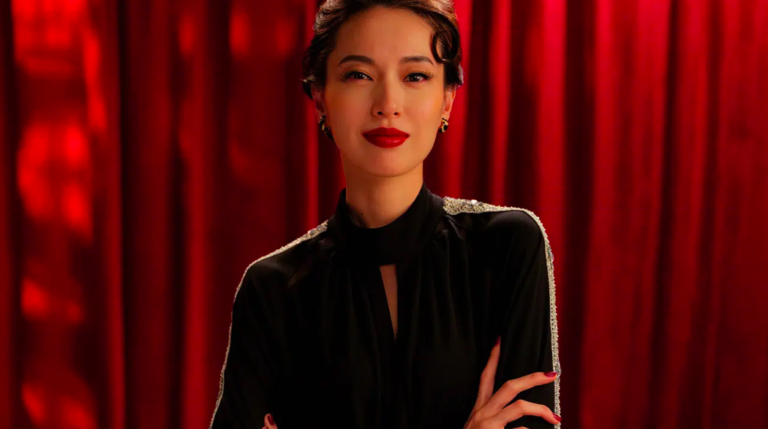
How far would you go to get what you want? For impoverished child of war turned media sensation Kazuko Hosiki the answer is "straight to Hell". Over the course of nine riveting episodes that span six decades Netflix's Straight to Hell follows Japan's infamous fortune-teller as she rises and falls only to claw her way up once again. At once a testament to the power of resiliency and a warning against the consuming lure of ambition, the series is every bit as complicated and fascinating as its leading lady. For a devilishly good time follow Kazuko Straight to Hell.

"My life story is interesting"


The story begins in 2005 Tokyo with fortune teller Kazuko Hosiki living a life of luxury as the reigning queen of daytime television. Famous for her blunt advice and dire predictions, Kazuko enthralls audiences seeking answers in an increasingly fraught society. She commissions a biography and relates her story to struggling author Minori. The story then flashes back to Kazuko's childhood in post-war Tokyo as her mother struggles to support Kazuko and her siblings in the wake of their father's death. The devastation and desperation of post-war society leaves its mark on young Kazuko and she becomes determined to pull herself out of poverty at any cost. Eventually, she works her way up from hostess club darling to successful entrepreneur with several clubs of her own before reinventing herself as the media sensation we meet at the start of the series. Along the way she faces loss and betrayal and nearly returns to the poverty of her youth only to rise again stronger and more formidable than ever. As she continues to delve into Kazuko's story, Minori soon realizes that there may be something darker lurking behind the fortune-teller's inspiring rags to riches tale. What follows is a reckoning that will bring both women to Hell and back.

In it's portrayal of Kazuko's tumultuous life Straight to Hell acts as both a compelling character study and an apt depiction of the cost of ambition. Kazuko's childhood in which she was reduced to surviving on stolen goods and insects sets the course for the rest of her life. Like a Japanese Scarlett O'Hara she vows never to be hungry again and spends the rest of her life living up to that promise. Her many rises and falls eerily parallel those of Japan itself, as the nation struggles to find its place on a rapidly changing world stage. What begins as a modern Cinderella story takes a darker turn, however, as she follows her promise of success at any cost to it's logical, devastating, conclusion. The series then evolves from aspirational to cautionary as Kazuko's star continues to rise, but only at the expense of others. By the series' conclusion she has achieved all that she hoped for and more, but in doing so has left herself isolated, embittered, and relegated to her own personal hell. For storytelling with an old-fashioned sweep and biting, modern, edge see Kazuko rise and fall Straight to Hell.

"I'd follow you anywhere, even if it's straight to Hell"


The story transports viewers to a rapidly changing Tokyo thanks to the stellar work of its cast. Sairi Ito imbues Minori with a blend of warmth and earnestness that makes her an ideal everywoman. Toko Miura turns in a heartbreaking performance, as she infuses exploited singer Chiyoko with innocence and girlish charm. Gaku Hosokawa lends humor as Kazuoko's younger brother and business partner, Hisao. Toma Ikuta could give Al Pacino tough competition in his expert turn as Michael Corleone-esque Yakuza boss Masaya Hotta. Even in the midst of superb supporting performances the series belongs to Erika Toda as Kazuko. Over the course of nine episodes she follows Kazuko's journey from exploited innocent to ruthless exploiter with an intelligence, complexity, and charisma worthy of the real Kazuko Hosiki.

At once an inspiring story of one woman's rise in the face of adversity and a cautionary tale of the dangerous power of ambition, Straight to Hell is is every bit as hypnotizing as the woman who inspired it. The script brilliantly relates Kazuko's biography in all of its complexity without either championing or condemning her. The cast transport viewers to the grit and glamour of 20th century Tokyo as they bring each of the colorful characters in Kazuko's past to life. Give in to temptation and join Kazuko for a thrilling trip Straight to Hell.

"We trick others before being tricked"


Sunday, May 17, 2026

Interview with Literary Titan

 Hello Readers,


If you're interested here's my latest author interview with Literary Titan!

Resilience in the Face of Adversity

Lauren Ennis Author Interview

A Boy’s Best Comrade follows a loyal dog in Stalin-era Moscow, as she protects the boy she loves through arrest, hunger, homelessness, and betrayal in a world where devotion itself becomes an act of courage. What was the inspiration for the setup of your story?

I’ve always adored animals and possess a fascination with history, particularly Russian history. When I read about the packs of stray dogs that have taught themselves to navigate Moscow’s subway system, I saw a way to combine my love of animals and passion for history. Once I started writing I looked to my favorite childhood books and movies, especially Don Bluth’s animated movies, for even more inspiration.

How did you balance Sasha’s animal instincts with the emotional depth needed to carry the novel?​

Sasha is based off and named for my dog. When writing Sasha’s character, I imbued her with my Sasha’s personality and mannerisms to lend her authenticity and make her feel like a ‘real’ dog. To ensure that she was humanized in the story I turned to Mrs. Brisby from The Secret of NIMH and other characters who possessed the nurturing, maternal, characteristics that I wanted Sasha to possess for inspiration. Throughout the novel I tried to maintain a balance between conveying human emotions through Sasha while ensuring that she still behaved like a dog.

What were some themes that were important for you to explore in this book?

The most crucial themes in the book are resilience in the face of adversity, the horrors of authoritarianism, and the importance of loyalty in a world of distrust. While these themes were particularly relevant in Stalinist Russia, I believe that they are universal and would resonate with readers across generations and cultures.

What kind of research shaped your portrayal of Moscow’s streets, metro stations, and stray-dog packs?​

The research was absolutely the most difficult aspect of writing A Boy’s Best Comrade. I was fortunate enough to be able to view documentaries about the real-life Moscow subway dogs and strays in general. The research about the streets and metro was more difficult due to all the changes to the city over the course of several decades and the language barrier. I used a combination of written sources from the 1930’s along with maps and photos of the city and metro to try and create an accurate depiction of 1930’s Moscow.

A Boy's Best Comrade Trailer!

 Lights, camera, and action!


Thursday, May 14, 2026

Classics: A Review of Smokey and the Bandit By Lauren Ennis

 Two truckers, a runaway bride, a vengeful sheriff and four-hundred cases of Coors adds up to one of the wildest rides in cinema. Blending thrilling stunts with slapstick humor 1977's Smokey and the Bandit took a simple premise and turned it into cinematic gold. At once a loving homage to the American road-trip and a glimpse into the gritty 1970's the film is certain to leave viewers riding on the edge of their seats. For the trip of a lifetime hit the road with Smokey and the Bandit.


The story begins with father and son Texas businessmen "Big Enos" and "Little Enos" Burdette arriving at a local truck rodeo. They then place a bet on local trucking legends Bo "the Bandit" Darville and Cledus "the Snowman" to illegally deliver 400 cases of Coors from Texas to Atlanta in 28 hours. While Cledus is hesitant the Bandit happily accepts. The two then set off with Cledus transporting the beer in his truck while the Bandit acts as a decoy in his Pontiac Trans Am. Along the way the Bandit encounters exotic dancer turned runaway bride Carrie. He picks the stranded would-be newly-wed up, and soon finds himself targeted by her scorned fiancée and his father, Texas sheriff Buford T. Justus. The film then launches into a madcap trip across the South the likes of which many have imitated but none have replicated.

Smokey and the Bandit captures the anarchic spirit of both the 1970's and the all-American road trip like no other. While the plot seemingly rests upon the transport of Coors over state lines the real heart of the story is the liberation of the open road and the free spirits of those who call it home. Through its depiction of the Bandit's carefree pursuit of the latest thrill, the camaraderie of his fellow truckers, and his blatant, "complete lack of respect for the law" the film offers loving tribute to the outsiders who populate America's highways. Through its depiction of an array of very different characters the film also playfully explores the rapid social changes of the 1970's. For example, the film offers a decidedly complex and modern depiction of womanhood in its portrayal of witty dancer Carrie's refusal to resign herself to a traditional, married, life. Similarly, the film's portrayal of old fashioned lawman Sheriff Justus' flailing efforts to keep up in a modern world is nothing short of side-splitting. Through its loving depiction of the misadventures of America's misfits, bandits, and everyone in between Smokey and the Bandit remains a loving tribute to the open road and all-American fun.

The film brings its whimsical world of wacky characters to life thanks the stellar work of its cast. Pat McCormick and Paul Williams lend plenty of deadpan humor to their brief turns as Big Enos and Little Enos. Jerry Reed infuses Cledus with boy next door charm. Sally Field shows off her comedic chops in her hilarious turn as neurotic dancer, Carrie. Jackie Gleason steals each scene in which he appears as the hapless Sheriff Justus. Burt Reynolds turns in arguably the best performance of his career with a winning blend of comedy and roguish charm that ensures that the Bandit is nothing short of iconic.

In its ninety-six minute run time Smokey and the Bandit perfectly captures the anarchic spirit of the 1970's. The script balances stunts with slapstick to maximum effect for a viewing experience that is never less than thrilling. The performances bring what easily could have been one-note characters to hilarious, infectious life. For ninety-six minutes of good old American life, glory, and fun get behind the wheel with Smokey and the Bandit.


Wednesday, May 6, 2026

5-Star Review from Literary Titan

 Hello readers,


I couldn't resist sharing the latest editorial review of A Boy's Best Comrade. So grateful and thrilled for such a stellar review!

A Boy’s Best Comrade

In A Boy’s Best Comrade, Lauren Ennis tells the story of Sasha, a loyal dog in Stalin-era Moscow whose life is repeatedly shattered by the machinery of fear, suspicion, and state violence. After losing Mikhail and Sofia to the NKVD, Sasha is taken in by Andrei, Tania, and their son Yuri, only to watch that family broken apart too. What follows is part historical survival story, part animal adventure, and part aching portrait of devotion, as Sasha and Yuri navigate hunger, homelessness, the Moscow metro, a stray-dog pack, and the dangerous kindness of people like Vanya while trying to stay one step ahead of betrayal and arrest.

I was most moved by how sincerely the book treats loyalty. Sasha’s love never feels cute in a shallow way. It feels bodily, instinctive, almost sacred. The early scene with the New Year’s tree begins with such domestic warmth, Sasha puzzling over the strange spruce in the apartment, Sofia trying to create a little “winter fairyland,” and then that warmth is cracked open by the knock at the door. I liked that the book keeps returning to that emotional pattern: a small, tender human moment, then the cold hand of history pressing against it. Andrei naming Sasha “protector and friend” stayed with me because the whole novel keeps testing whether love can survive when every institution is designed to make people suspicious, selfish, and afraid. Sasha, in her wonderfully stubborn dog way, keeps answering yes.

The writing has a big-hearted, old-fashioned sweep to it, and I mean that affectionately. It leans into feeling. But more often than not, that earnestness works because the story itself is so emotionally direct. I loved the texture of Moscow seen from low to the ground: alleys, stoops, station platforms, scraps of food, damp fur, boots, crowds, the underground geography known by dogs better than humans. Mishka and the pack bring a welcome snap of humor and grit, and the ending, with Sasha forcing Yuri onto the train and then being invited into a new pack, hurt in exactly the right way. It doesn’t give her everything. It gives her purpose, which feels truer.

I felt that A Boy’s Best Comrade is really about chosen family under impossible pressure, and about the quiet heroism of staying tender when the world keeps rewarding hardness. Its ideas are strongest when embodied in action: Sasha biting, guarding, smuggling, waiting, refusing to understand love as temporary. The book would be especially good for readers who like historical fiction with an animal narrator, emotionally sincere adventure stories, and tales of courage that don’t pretend survival comes without grief.

Pages: 269 | ASIN: B0FTWM9BB3

Thursday, April 30, 2026

Classics: A Review of Lady Snowblood By Lauren Ennis

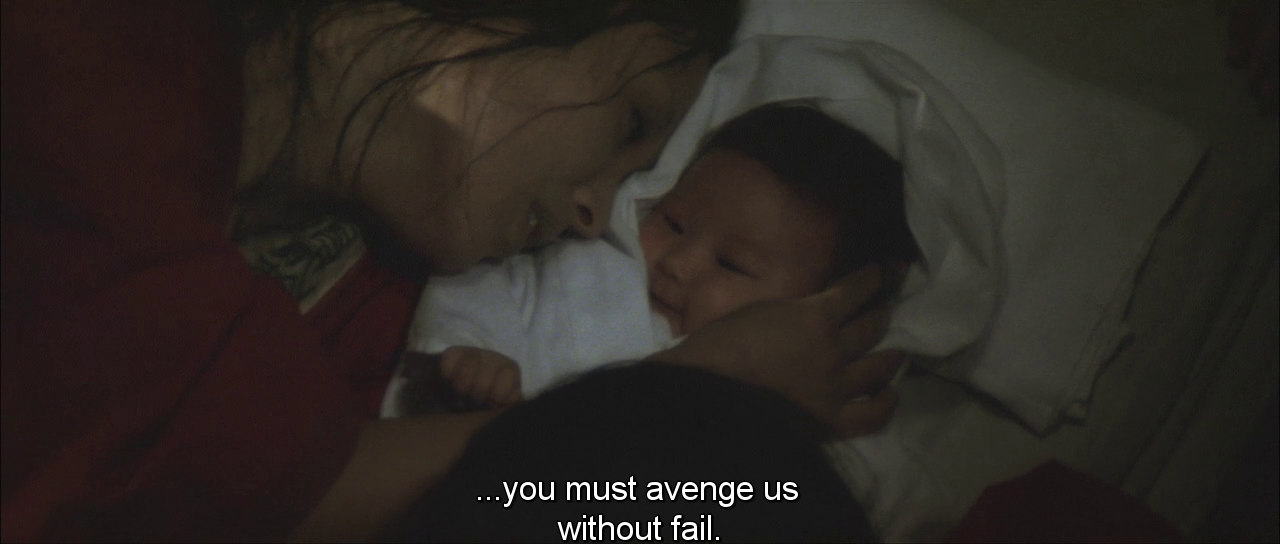
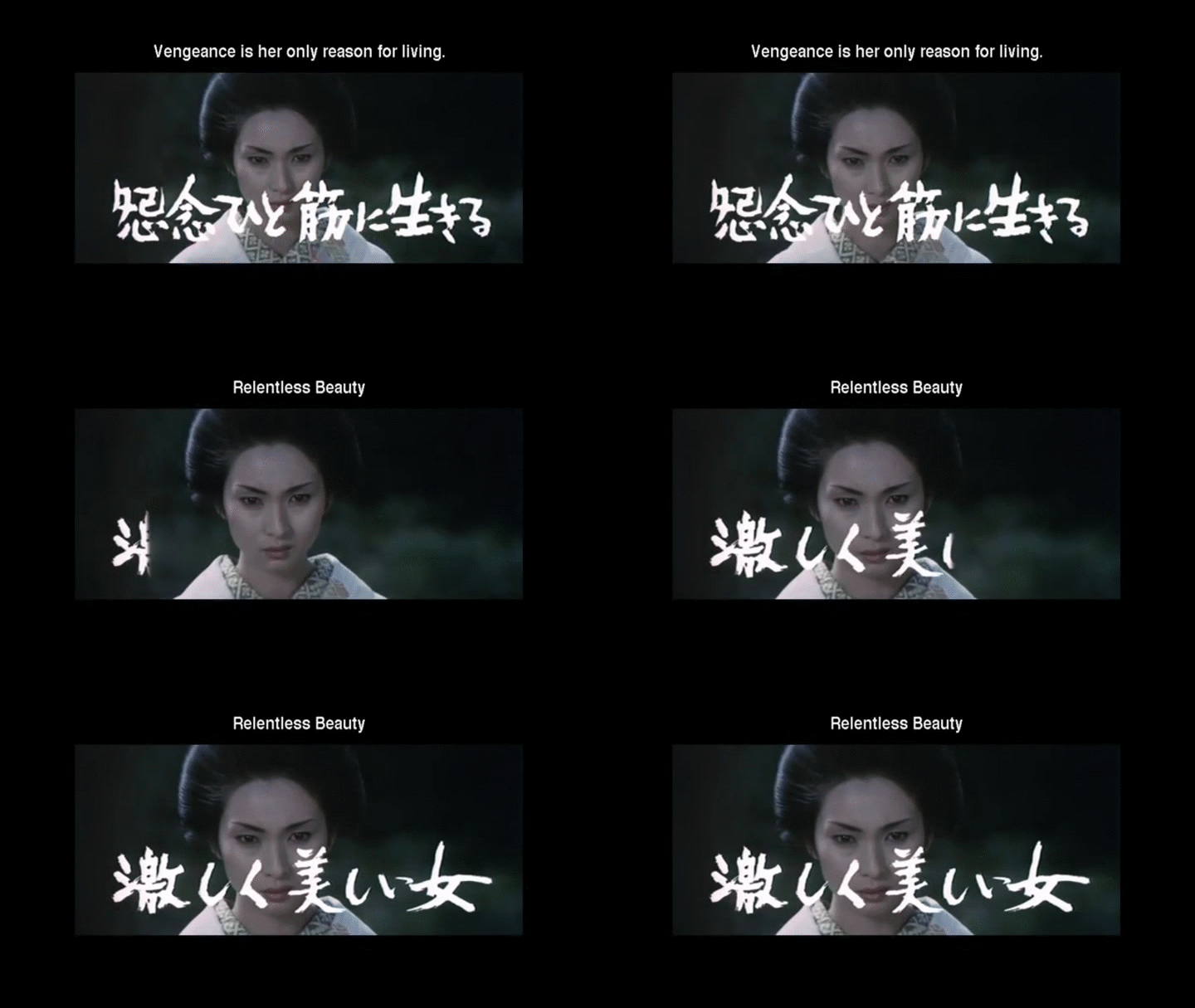
 "Yuki, you will live your life carrying out my vendetta. My poor child, you are an asura demon" Sayo tells her newborn daughter. With these final words from her mother infant Yuki is transformed from an innocent into a living embodiment of her mother's thirst for revenge. So begins one of the most brutal, thoughtful, and strangely beautifiul depictions of vengeance ever put to film. Adapted from the manga of the same name, 1973's Lady Snowblood remains one of the most enduring and influential depictions of the dark side of mother-daughter relationships and vengeance in modern cinema. For the mother of all revenge movies follow the blood-soaked trail of Yuki in Lady Snowblood.

The story begins in 1874 Japan with the birth of Yuki in a women's prison. The film then flashes back to when her mother, Sayo, was brutally attacked by a gang of criminals. Sayo's husband and son are murdered in the attack and she is raped. While she survives the attack she is imprisoned after killing one of her attackers in self-defense. While imprisoned she concocts a plan to conceive a child who can be raised outside the prison walls and exact revenge on her behalf. She then seduces a series of prison guards and conceives Yuki only to die in childbirth. As she lays dying she instructs her fellow inmates to ensure that Yuki is raised with one purpose; to exact her mother's revenge. From that moment on Yuki's entire existence is in pursuit of a singular goal; to avenge Sayo and rid the world of the men who wronged her. Can the thirst for vengeance ever truly be satisfied? Can justice ever be fully served? These are the questions that haunt  Lady Snowblood.

While Lady Snowblood  ranks amongst the top cinematic revenge sagas the most haunting aspect of the film is its depiction of a life lived in the shadow of parental expectations. From the moment that she is conceived Yuki's entire fate is set. Before she is even old enough to understand the loss and trauma that Sayo suffered she is already tasked with avenging her mother. The burden of another's trauma and vendetta are too heavy a burden for any person to bear, let alone a child, and yet the adults in her life raise Yuki to do just that. By the time that she reaches adulthood her mother's goal has become her entire identity, leaving her life beyond her mission completely lacking in meaning or purpose. While her singular quest for vengeance is the stuff of cinema, her desperate desire to live a life that would make her mother proud is entirely relatable. Although most of us are not in pursuit of a family vendetta all too many of us have pursued careers, romantic relationships, and other goals not to fulfill our own desires but instead to live up to our family's wishes for us. When viewed through this lens, Lady Snowblood is a cautionary tale of the price that we pay when we live for others' goals for us. While we may not leave a trail of blood behind us, when we live our lives in the shadow of someone else's expectations we can cause just as much destruction as Yuki, even if only to ourselves. Even as it explores the pathos behind its assassin's lonely life Lady Snowblood never forgets it is first and foremost an action-packed thriller. As a result, the film offers up a blend of thrills, stunts, and that drama that continues to influence filmmaking today. 

The film transports viewers to the tumultuous world of Meiji-era Japan thanks to the work of its cast. Yoshiko Nakada portrays Kobue, the daughter of one of Yuki's targets forced into prostitution, with warmth and innocence. Toshio Kurosawa imbues Yuki's admirer, reporter Ryurei, with intelligence, determination, and charm. Miyoko Akaza embodies steely resilience as Sayo. Meiko Kaji alternates between personification of vengeance and a living, all too human woman, with equal skill. She also lends her exquisite vocal talents to the film's soundtrack and performs the film's main theme "Flower of Carnage".

Over fifty years after its release Lady Snowblood still cuts as deep as it's heroine's blade. The trend-setting script blends action and pathos to expert effect and continues to inspire filmmakers both at home and abroad. The performances bring the film's vision of a world at war with itself to visceral life. For a bloody good time follow the path of Lady Snowblood.


Thursday, April 16, 2026

Appearance on Storycomic

 Hello Readers,


I couldn't resist sharing my latest podcast appearance on New England Art's podcast Storycomic. I had a fantastic time and am so grateful for the chance to share Daughters of Attrition and A Boy's Best Comrade with Storycomic's audience. 

https://www.youtube.com/watch?v=EuOQVM_7HIM&t=29s


Classics: A Review of The Bletchley Circle By Lauren Ennis

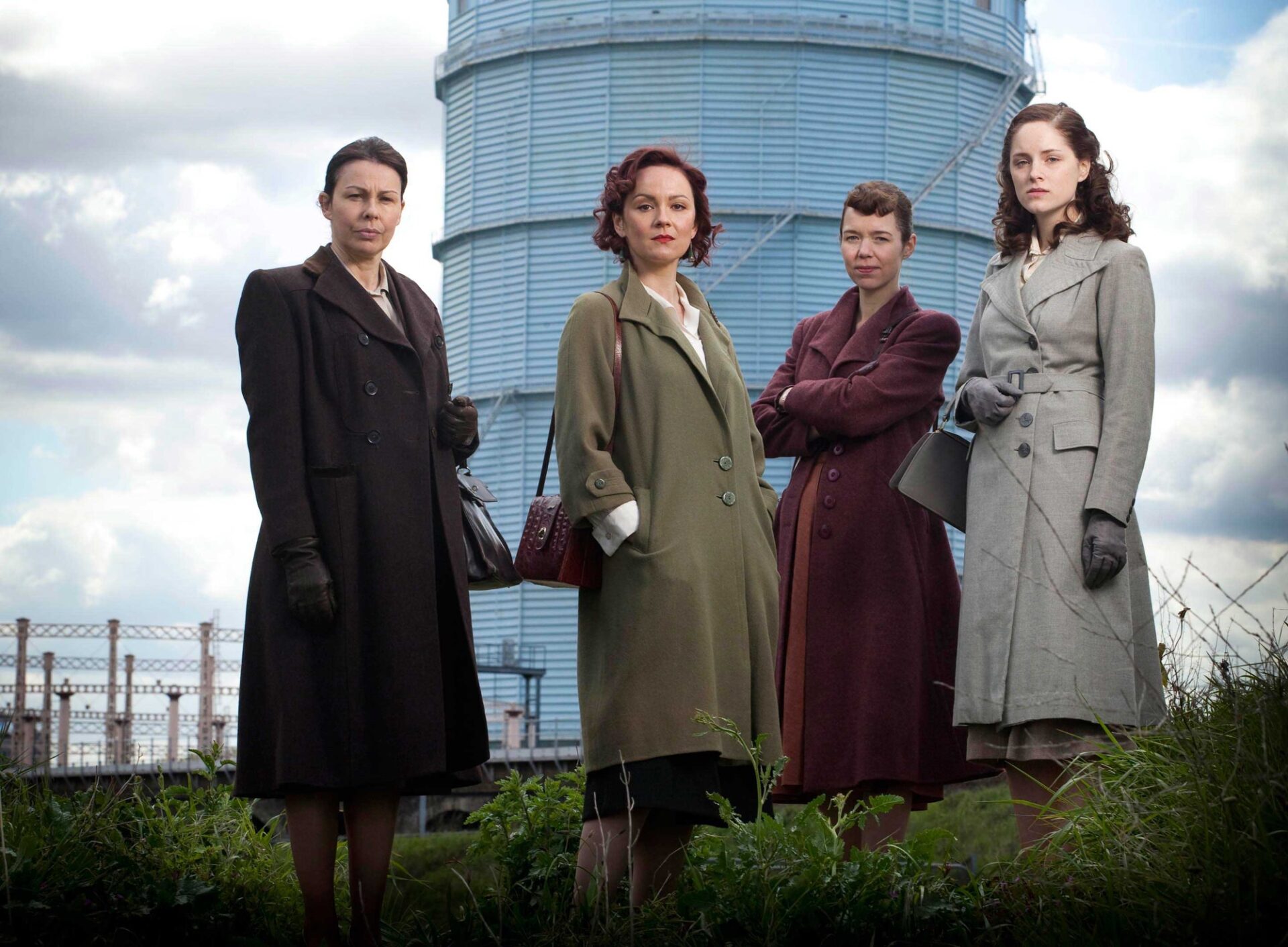
 "All that's necessary for evil to triumph is for good men to do nothing...or women" World War II codebreaker Jean McBrian declares. It is this sentiment that unites four war-time colleagues in their hunt for a serial killer in post-war London. 2012's BBC drama The Bletchley Circle follows the quartet as they embark upon a mission that puts their war-time skills to the ultimate test in three of the most riveting episodes of modern television. Crack the code with the ladies of The Bletchley Circle.

A fab four

The story begins in 1940's London as Susan, Millie, Lucy, and Jean are working for MI6 intercepting and breaking enemy codes. The scene then flashes ahead to 1953 with the quartet settled into civilian lives that are drastically different from their war-time heroics. Susan is now living a quiet life as a London housewife in a predictable marriage to a husband who is blissfully unaware of her former life. When a series of gruesome murders begin dominating the local news she sets her skills to work analyzing the case and searching for a pattern. She brings her findings to the police but is dismayed when their ensuing search turns up no new evidence. It is then that she realizes she needs help and recruits her former colleagues. The women then set off in a race against time as they struggle to catch a killer before he catches his next victim.

The Bletchley Circle blends the best in British period dramas and mysteries while breathing fresh life into both genres along the way. The premise of four ex-code breakers pursuing a killer is a fascinating one, but it is the execution of that premise that sets the series apart from other period dramas. Rather than using the women's codebreaking work as some sort of super-skill or novelty the series instead utilizes it as a means to explore vital questions regarding women's changing roles in society. The stark contrast between their war-time work and their post-war lives is nothing short of jarring. While librarian Jean and housewife Susan are leading lives that society would consider successful, neither has achieved the fulfillment that they experienced during the war. The difference between wartime and post-war life is even more drastic for the group's other two members. Adventurous Millie has resigned herself to waiting tables at a local greasy spoon and innocent Lucy is trapped in an abusive marriage. The series' depiction of the women's adjustment to civilian life highlights the difficulties that both women and Britain at large faced in the aftermath of the war. In this way, the series serves as an apt exploration of social history and compelling character drama. Even in the midst of the leads' compelling stories the series maintains a tightly plotted, tension-filled mystery. Through its every twist and turn the plot keeps viewers guessing all while remaining firmly grounded within its period setting. For an explosively engaging mystery step into The Bletchley Circle.

Sewing circle I think not

The series transports viewers to the gritty, ruin-strewn streets of post-war London thanks to the stellar work of its cast. Sophie Rundle infuses the group's youngest member, eidetic data analyst turned abused housewife Lucy with a winning combination of innocence and resilience. Julie Graham imbues spy supervisor and eventual librarian Jean with maternal warmth and no-nonsense charm. Rachael Stirling oozes cool charisma as codebreaker turned struggling waitress Millie. Anna Maxwell Martin makes for a compelling everywoman and keeps the story grounded through every twist and turn as the glue that holds the group together, Susan.

At once a taut thriller and an insightful exploration of women's changing roles in British society The Bletchley Circle crafts a mystery in the very best of the British tradition. The script transports viewers into the rapidly changing society of post-war London and offers an apt tribute to some of the unsung heroines of World War II. The performances bring each of the very different characters to life with a complexity and nuance worthy of the real life code-breakers of Bletchley Park. For some of the most riveting mystery viewing this side of Agatha Christie join the ladies of The Bletchley Circle.

There go my heroes, they're ordinary


Saturday, April 4, 2026

Readers' Favorite Review!

 Thank you to Tanya Kays at Readers' Favorite for the phenomenal review!

Lauren Ennis sets A Boy’s Best Comrade in 1930s Moscow during Stalin’s rule. A small puppy named Sasha starts out with Sofia and Mikhail, who adopt her during a New Year’s celebration that the government briefly permitted. But their happiness doesn’t last forever. The NKVD comes at night and takes the couple away, leaving Sasha all on her own. She deals with hunger and danger, including rats and other dogs, before eventually attaching herself to the Rostov family. This family includes Doctor Andrei, his wife, Tania, and their young son, Yuri. As Andrei reports a tuberculosis outbreak that officials refuse to admit exists, suspicion grows around them. A heartbreaking arrest shatters Yuri’s world, pushing him into cramped communal housing and later an orphanage. Through streets, metro tunnels, and constant danger, Sasha refuses to leave his side. In a city ruled by silence and informers, can a boy and his dog outrun a system determined to control them?

There are very few truly safe adults in A Boy’s Best Comrade, and Lauren Ennis does not soften the reality of the Stalinist terror, even though the story is told through Sasha's point of view. The officials are cold, neighbors are cautious, and even children are drawn into state loyalty through the Young Pioneers. Yet the novel is not only about cruelty. It is also about attachment, hunger, pride, and survival in cramped spaces such as the kommunalka kitchen or the echoing metro platforms. I was struck by how Sasha’s instincts (like protecting the people she cares about) expose the moral failures of the regime more clearly than any speech could. I also found myself thinking about Yuri’s brave endurance as a child. He is young, but he is not naĂŻve. Ennis balances harsh history with moments of stubborn hope, allowing loyalty to stand as a simple act of resistance. It is a tough story, but one that earns its place on the shelf. Recommended.

5-Star Reviews!

 Thank you to the middle-grade readers and teachers at the Wishing Shelf Awards for the amazing feedback!


Profile Image for Billy Buttons.
Author 19 books199 followers
April 4, 2026
This book was entered in The Wishing Shelf Book Awards. This is what our readers thought:
Title: A Boy's Best Comrade
Author: Lauren Ennis

Star Rating: 5 Stars
Number of Readers: 15
Stats
Editing: 9/10
Writing Style: 9/10
Content: 9/10
Cover: 4/5

Of the 15 readers:
13 would read another book by this author.
12 thought the cover was good or excellent.
15 felt it was easy to follow.
14 would recommend this book to another reader to try.
Of all the readers, 4 felt the author’s strongest skill was ‘plotting a story’.
Of all the readers, 7 felt the author’s strongest skill was ‘developing the characters’.
Of all the readers, 4 felt the author’s strongest skill was ‘writing style’.
14 felt the pacing was good or excellent.
13 thought the author understood the readership and what they wanted.

Readers’ Comments
“I liked how it was from the POV of the dog. It was an interesting story, sad too, but with lots of suspense. I was rooting for the dog and the boy.” Boy, aged 12
“Highly original, well-written, and accessible to 9 – 13 year olds. The historical background is also interesting for young readers. Would be fab as a class reader.” Primary school teacher, aged 55
“Loved Sasha. It’s horrible how nasty governments can be. I think I’m glad I live in England. I listen to the news, and I don’t think Russia would be fun to live in now. They always seem to be at war with everybody. I liked the characters, and how brave they were.” Girl, aged 12 – with a little help from dad
“I really felt for the boy. The book made me wonder what it would be like to be alone with just a dog. I liked how I learned a little history too, but it’s never overwhelming.” Girl ,aged 13 – with a little help from her TA#
“Best book ever! Sad, exciting, interesting, suspense filled. I will read other books by this author.” Boy, aged 11 – with a little help from mum

To Sum It Up:
“A suspense-filled, historically based novel for 9 – 12 year olds. A FINALIST and highly recommended!” Wishing Shelf Book Awards

Thursday, April 2, 2026

Classics: A Review of The Passion of the Christ By Lauren Ennis

 The word 'passion' comes from the Latin word meaning 'to suffer' or 'to endure'. Today the word is more closely associated with enthusiasm, love, and devotion. Perhaps no film better captures the duality of passion than the 2004 drama The Passion of the Christ. This bold and brutal portrayal of Christ's final day captures the full agony of Jesus' suffering and the awe-inspiring devotion to his fellow man that inspired it. Over twenty years after its release the film remains arguably the most bold and unforgettable portrayal of the crucifixion ever put to celluloid.

The story begins with Jesus' arrest and follows the biblical account of the crucifixion. While the film follows the familiar beats of the Bible, it intersperses a series of flashbacks which show the events leading up to the arrest. The film also utilizes scenes from the peripheral characters' perspectives, highlighting the political intrigues and personal failings that ultimately culminated in the execution of Christ. The Passion of the Christ sets itself apart from other biblical epics through its harrowing, unflinching portrayal of his ultimate sacrifice.

Over twenty years after its release the film continues to stand in sharp contrast to other religious films, and is all the more powerful for it. Much like historical films, religious films often fall into the trap of offering a sanitized, more audience friendly, version of the past. Through this softening of history these films attempt to highlight positive messages and ensure that viewers can relate to characters. While this approach may broaden a story's appeal, it also dilutes the reality that it is attempting to portray at best and leaves viewers misinformed at worst. At the time of its release The Passion of the Christ faced backlash for refusing to sanitize its difficult, graphic, subject matter. While the film's unflinching portrayal of the crucifixion makes for uncomfortable, visceral, viewing it serves the greater purpose of emphasizing the lengths to which Christ was willing to go to ensure that humanity's sins were forgiven. Even as it offers a harrowing portrayal of the crucifixion, the film still highlights the humanity of each of the characters. Through a series of flashbacks viewers are treated to intimate moments between both Jesus and his followers and him and his mother, which show the beating heart behind the divine being. Similarly, the film includes scenes which highlight the conflict of the characters Christ encounters throughout his passion as they wrestle with the questions of morality and faith that humanity continues to struggle with today. As a result, the film maintains an essential humanity without shying away from the full devastation of its subject matter. This Easter experience humanity at its most horrifying and inspiring in The Passion of the Christ.

The film transports viewers to the grit of first century Judea thanks to the work of its cast. Francesco De Vito portrays Peter's weakness and remorse as he goes from Christ's most ardent supporter to denying even knowing him. Luca Lionello aptly captures Judas' torment and regret following his fateful betrayal. Maia Morgenstern is a portrait of anguish and maternal love as the Virgin Mary. Monica Bellucci personifies devotion as sinner turned devout follower of Christ, Mary Magdalene. Rosalinda Celetano is positively skin crawling in her cold, calculated, depiction of an androgynous Satan. Hristo Naumov Shopov offers one of the film's most fascinating performances in his nuanced portrayal of Pilate's struggle between doing what is right and doing what is politically convenient. Even in the midst of stellar supporting performances the film belongs to Jim Caviezel as Jesus. Caviezel portrays Jesus' suffering with an agonized realism that is difficult to watch. Even as he offers an unflinching portrait of the savior's passion, however, he infuses Jesus with a warmth and humor that highlight his humanity. 

At once a brutal portrayal of humanity's worst and an inspiring call to rise to our best The Passion of the Christ is more than a movie, it's a cinematic experience. The film blends familiar biblical accounts with more personal depictions of historical figures to expert effect. The performances bring biblical figures to haunting, all too human, life. This Easter remember the reason for the season with The Passion of the Christ.


Thursday, March 26, 2026

Latest Podcast Appearance!

 Hello Readers,


I'm so excited to share my latest podcast experience chatting with Beth Jordan on Indie Voices Uncovered!

Miss E.


https://www.youtube.com/watch?v=m0pIKhKKcUM&t=556s


Thursday, March 19, 2026

Classics: A Review of Ponies By Lauren Ennis

"We're women. People only look at us if they want to have sex with us or marry us" embassy secretary Twila Hasbeck aptly notes. With that revelation begins a madcap adventure through the streets of 1970's Moscow where danger and secrets lurk around every corner. Blending dark comedy with Cold War spy drama to expert effect Ponies is one of the most original, exhilarating, and hilarious series on television today. For thriller that will have you gasping and laughing in equal get off to the races with Bea and Twila in Ponies.


The story begins in 1970's Moscow with Bea Grant and Twila Hasbeck working as secretaries at the American Embassy while their husbands are working operations for the CIA. Both women soon find their lives upended when their husbands are killed in a plane crash. As they learn about the unusual and mysterious circumstances surrounding the crash they become convinced that the tragedy was part of something more sinister. They then decide to conduct their own investigation and persuade their husband's former boss to hire them as agents. Despite his misgivings he eventually gives in because women are considered "persons of no interest" who the Soviets would never suspect. The unlikely duo are then thrust into a world of intrigue, danger, betrayal, and plenty of spyjinks. Can two CIA widows share a mission without driving each other crazy? Find out when you pay a visit to Moscow with Twila and Bea in Ponies.

Equal parts espionage thriller and buddy comedy Ponies is some of the best viewing this side of the Iron Curtain . The story offers a fresh twist the Cold War drama through its unique blend of breezy humor and gritty honesty. Rather than acting as a tired propaganda piece the series casts an equally critical eye to both the KGB and their CIA counterparts. Through its depiction of the crosses, double-crosses, and exploitation that both the US and USSR engaged in the series highlights the devastating lengths that both were willing to go to secure victory. In this way, the series sets itself apart from both classic and modern spy dramas by refusing to either sanitize or subvert history. Even as it rachets up the tension with each episode the series never loses its sense of humor. Through its depiction of two fish-out-of-water heroines who are in way over their heads the series highlights the outlandish nature of intelligence work. Similarly, its portrayal of Bea and Twila's efforts to maintain their cover showcases the terrifying absurdity of life in the USSR. Through its blend of humor, thrills, and history Ponies easily outruns its competition.  

The series takes viewers on a groovy journey to 1970's Moscow thanks to the stellar work of its cast. Harriet Walter blends maternal warmth and steely resolve as Bea's grandmother, Manya. Petro Ninovskyi imbues local asset Sasha with an endearing blend of moral uprightness and boyish charm. Vic Michaelis is deliciously devious as scheming secretary, Cheryl. Artom Gilz expertly balances charisma and menace as ruthless KGB agent, Andrei. Lila Walters infuses black market racketeer Ivanna with biting wit. Adrian Lester is no nonsense as Bea and Twila's put-upon boss, Dane. Nicholas Podany balances quirky humor with decency as CIA agent, Ray. Even in the midst of excellent supporting performances the series belongs to Emilia Clarke and Haley Lu Richardson as Bea and Twila. Clarke turns her Game of Thrones image on its head in a nuanced performance that sees Bea evolve from bookish good-girl to resilient, capable agent. Haley Lu Richardson steals each scene in which she appears in her magnetic turn as street-wise and wise-cracking Twila. The two play off of each other with a comedic timing and chemistry worthy of such classic duos as Lemon and Mathau. 

Alternating between thrills and laughs Ponies is a Valentine to Cold War thrillers and classic buddy comedies alike yet still manages to feel refreshingly original. The script expertly blends tension and hijinks to create a madcap caper that is certain to leave viewers on the edge of their seats. The performances transport viewers to the danger and absurdity of Cold War Moscow. For a guaranteed winner place your bets on Twila and Bea in Ponies.


Sunday, March 8, 2026

Classics: A Review of Death By Lightning By Lauren Ennis

 "Assassinations can be no more guarded against than death by lightning; it is best not to worry too much about either" President James Garfield infamously said. Tragically, he could not have been more wrong. 2025's Netflix drama Death By Lightning chronicles Garfield's unlikely meteoric rise from obscure congressman to president and his tragic fall to an assassin's bullet. At once a compelling portrait of a largely forgotten chapter of US history and an eerily prescient warning for the present, Death By Lightning truly captures lightning in a bottle.

"I have never had the presidential fever; not even for one day"

The story begins in the 1960's with National Archives employees discovering the brain of Charles Guiteau. The series then flashes back to 1880 with Guiteau drifting between jail, local communes, and his sister's sofa as he searches for his call to greatness. Meanwhile, congressman James Garfield resists his call to greatness when he is recruited to speak at the Republican National Convention. After a barn-burner speech the party turns its attention to the morally upright Garfield in hopes that he will rid the party of the corrupt spoils system. Guiteau witnesses Garfield's unlikely assent and does everything in his power to attach himself to the grassroots movement behind it. When Garfield ultimately wins the presidency Guiteau seeks what he believes is his rightful place in the new administration. Much to his dismay, he soon learns that there is no place for him in Washington. Meanwhile, Garfield struggles to fend off the rampant corruption in the capital and usher in the reforms that he promised voters. When the two cross paths the stage is set for an American tragedy.

In an era dominated by glamorized and sanitized portrayals of history Death By Lightning brings its tale to gritty, startlingly relevant, life. Rather than transporting viewers to a bygone era of polite manners and elegant costumes the series takes viewers on a journey into the darkest depths of American history. The series' portrait of the era's machine politics is at once fascinating and revolting. The blunt depiction of 'how the sausage gets made' in Washington proves to be both timeless and especially timely in today's political climate. Similarly, the depiction of Guiteau's grandeur-fueled descent into madness takes on an eerie resonance in the midst of influencer culture, as more people than ever desperately pursue their moment of fame. His turn from supporter to assassin proves especially visceral in a news cycle dominated by political violence. Even as it portrays some of the darkest aspects of American culture, however, the series still offers hope in its depiction of one man's efforts to make his country a better place. Experience American politics in all of its grit and glory in Death By Lightning.

"Mark my words, my name will be known one day all across this country"

The series transports viewers to the gritty streets of the 1880's America thanks to the work of its star-studded cast. Bradley Whitford blends charm with shrewdness as political kingmaker James Blaine. Betty Gilpin is a portrait of quiet strength as Garfield's wife, Lucretia. Nick Offerman expertly portrays Chester Arthur's evolution from corrupt, incompetent, congressman to reluctant leader. Shea Whigam makes for a villain viewers will love to hate as political boss Roscoe Conkling. Even in the midst of compelling supporting performances, however, the series belongs to Matthew Macfayden and Michael Shannon as Guiteau and Garfield. Shannon proves himself to be leading man material as he infuses Garfield with integrity, warmth, and unassuming charm. Macfayden steals each scene in which he appears in his manic depiction of Guiteau's delusional quest for greatness. What easily could have been a cartoonish caricature of a madman is in Macfayden's hands a nuanced and tragic portrayal of a man undone not only by mental illness but also by his all too relatable desire to be somebody.

Through its depiction of one of America's forgotten tragedies Death By Lightning delivers four of the most compelling hours of television in recent years. The script portrays the stranger than fiction history of the Garfield assassination with startling accuracy while keeping viewers on the edge of their seats. The performances bring the cast of historical characters to vivid, breathing, life. For truly electrifying viewing tune in to Death By Lightning.

"Here and only here, a man can be anyone"


Wednesday, March 4, 2026

Podcast with a Fellow Middle-Grade Author!

 Hello Readers,

I just couldn't resist sharing my latest podcast appearance with Isabelle Knight. She's a fellow middle-grade author and an emerging talent to be on the watch for!


https://www.youtube.com/@isabelleknightbooks


Wednesday, February 25, 2026

Wishing Shelf Awards Finalist!

 Hello readers,


I'm thrilled to announce that A Boy's Best Comrade has been named a finalist in the 2025 Wishing Shelf Book Awards. Wish me luck in the finals next month!


Monday, February 23, 2026

Award Finalist!

 Hello Readers,

I have exciting news. A Boy's Best Comrade was chosen as a finalist in the 2025 Reader Views Reviewers Choice Awards in the Young Readers category. I sure didn't see this coming when I got the idea reading a dog trivia calendar! https://readerviews.com/literaryawards/winners/2025-category/#childrens-categories


Thursday, February 19, 2026

Classics: A Review of A Face in the Crowd By Lauren Ennis

 "I'm not just an entertainer, I'm an influence, a wielder of opinion, I'm a force!" declares television host and rising populist political star Lonesome Rhodes. In its depiction of Rhodes' fictional meteoric rise and inevitable fall 1957's A Face in the Crowd predicted the modern media and political landscapes, offering a dire warning against both. Considered both a critical and commercial flop by its contemporaries the film has since gone on to obtain classic status as it continues to gain in relevancy with each passing year. Follow the road to stardom with Lonesome Rhodes in A Face in the Crowd.

The story begins with ambitious radio producer, Marcia, on the search for 'the next big thing'. While recording a segment at an Arkansas jail she encounters drifter Larry Rhodes. While Rhodes is an obvious drunken lout, Marcia sees potential in his folksy charisma and southern charm. She soon books him on a segment in Memphis in which his humorous ad-libbing and politically tinged music leaves the audience captivated when a stunt against the show's sponsors leads to increased ratings and sales the station realizes that Rhodes' full persuasive powers. He is then offered his own show in New York City, catapulting him to national stardom. His celebrity status inspires a national movement and puts him on the road to a political career. As his fame increases, however, so to does his callousness, recklessness, and need for power. It's up to Marcia to expose the monster that she's created before it's too late.

Panned by critics and audiences for its naturalistic performances and bleak tone A Face in the Crowd was an unquestionable flop upon its release. In the decades that followed, however, the film has gone on to attain classic status and it's little wonder why. In its depiction of Rhodes' meteoric rise and inevitable fall the film expertly captures the fickle nature of celebrity and the manipulative power of the media. Beyond merely commenting on the failings of its time the film uncannily predicts the modern media landscape. For example Rhodes; folksy television chats remarkably resemble the modern fascination with unscripted programming offered by reality tv. Similarly, the grass roots movement that he inspires eerily parallels the phenomenon of online influencers. Through its portrayal of his foray into politics the film mirrors our own political landscape in which politicians rely upon celebrity endorsements and hire influencers to official positions. Perhaps most prescient is the way in which Rhodes' appeal to the 'common man' of rural America foreshadows the rise of populist politics across the globe. Beyond merely commenting upon the changing media and political landscapes the film offers a dire warning against giving in to them which has only become more relevant with every passing year. Witness the dazzle and darkness of modern media with Lonesome Rhodes in A Face in the Crowd.

I'm not just an entertainer. I'm an influence, a wielder of opinion, a force... a force!

Each member of the cast offers a tour de force performance. Anthony Franciosa is the epitome of sleaze as Rhodes' smarmy manager. Lee Remick aptly balances naivete with sex appeal as Rhodes' teen fan turned wife, Betty Lou. Walter Mathau blends integrity with grit as television writer turned crusading journalist, Mel. Patricia Neal is captivating in her portrayal of Marcia as a capable, modern ,woman nearly undone by the manipulations of a common grifter. Andy Griffith is a revelation in his magnetic turn as Rhodes. 

In just over two hours A Face in the Crowd captures the emerging media phenomenon of its time while eerily predicting our own. The biting script predicts everything from reality tv to social medial to the reemergence of political populism with uncanny prescience. The performances bring each of the characters to life iwth a depth and nuance that ensure each of the characters is fully three dimensional. At once perfectly capturing its era and entirely ahead of its time, A Face in the Crowd still stands out from the crowd nearly seventy years after its release.

 Good Night you stupid idiots. Good Night, you miserable slobs.


Thursday, February 12, 2026

Sample Pages!

 Dear readers,


Thank you for all of your support! To show my appreciation I'm sharing sample pages of my new graphic novel Daughters of Attrition.


                            As their world unravels two girls find strength in each other


                          In the face of oppression Noor and Laila find freedom in their imaginations and comics!


Monday, February 9, 2026

The Big Day!

 Hello readers,

Just a heads up that my graphic novel Daughters of Attrition is now available via ebook and will be available via print tomorrow! The story follows the friendship between two young girls set against the backdrop of the American withdrawal from Afghanistan.


https://www.amazon.com/Daughters-Attrition-Lauren-Ennis-ebook/dp/B0GLFR898P/ref=sr_1_1?crid=1DVK49D9EXG5R&dib=eyJ2IjoiMSJ9.DDOlpJF6ulb25nwQ8gFKkM_NBNWn-ao2dzScnUlKQJzGjHj071QN20LucGBJIEps.ijE1c_RtoGP_5BAUkOD0YqDSPTserBhDGKeTAWXpQlA&dib_tag=se&keywords=daughters+of+attrition&qid=1770675254&sprefix=%2Caps%2C191&sr=8-1

Thursday, February 5, 2026

Classics: A Review of Fatal Attraction By Lauren Ennis

 Where is the line between love and lust? Or, better yet, where is the line between love and hate? These are the questions that lie at the heart of the 1987 thriller Fatal Attraction. Shocking, scintillating, and suspenseful, the film captures the danger in giving in to desire. For a Valentine's Day that 'can't be ignored' join Alex and Dan in Fatal Attraction.

Scaring straying husbands straight since 1987

The story begins with successful attorney Dan Gallagher enjoying a stable but predictable life with his wife and young daughter. When his wife and daughter leave town for a family visit he crosses paths with book editor Alex Forest. Stifled by his humdrum existence he gives in to temptation and has what he believes is a one night stand with her. It becomes apparent that she has other plans when she insists that he spend the following day with her. He soon learns that she is deeply troubled when she attempts suicide after he remains firm in his intention to return home to his family. Despite his repeated rejections Alex continues to pursue Dan with increasingly desperate methods that ultimately turn dangerous. What ensues is a game of cat and mouse that takes the term pot-boiler to a whole new level.

Fatal Attraction sets itself apart from both romances and erotic thrillers in its unabashed celebration of the stability of family life. Whereas most romances would have depicted Dan and Alex's affair as an empowering, intoxicating, experience the film depicts it as ultimately empty and harmful. Similarly, while romance would have justified Dan's infidelity as a necessary respite from a family who don't understand or appreciate him the film instead depicts his dalliance as an act of selfishness and immaturity. Despite is sensual start the film also distinguishes itself from the erotic thrillers that would dominate the 1980's and 1990's by showing not only the allure of Alex's sexual assertiveness but following that trait to its terrifying conclusion. Fatal Attraction's depiction of its central pair's sordidness of the pair's tryst and its devastating consequences stands in stark contrast to its wholesome portrayal of Dan's family life. While the film aptly portrays his restlessness in his marriage it is the very predictable stability that he is trying to escape that he ultimately fights to return to. Whereas Alex represents the promise of excitement and danger Dan's wife, Beth, symbolizes the fulfillment of long-term commitment. Similarly, while Alex offers devilish temptation it is within Beth's quiet strength and moral fortitude that he ultimately finds his redemption. This Valentine's Day cuddle up with that special someone for dear life and enjoy a Fatal Attraction.


The film's lurid tale is brought to visceral life thanks to its stellar cast. Ellen Hamilton Latzen is a portrait of innocence as Dan's young daughter, Ellen. Anne Archer infuses Dan's loving wife, Beth, with warmth and charm. Michael Douglas makes for an amiable and relatable everyman as Dan. Glenn Close is a force of nature as the by turns charismatic, cloying, and utterly fatal Alex.

This cautionary tale of and lies is enough to keep many viewers safely home with their spouse. The script blends sensuality with suspense to take viewers on a journey into the darkest corners of the human heart. The performances bring the characters to at once relatable and terrifying life. This Valentine's Day discover just how much love can hurt in Fatal Attraction.

Love hurts


Saturday, January 31, 2026

Calling all comics fans!

 Exciting news! The graphic novel adaptation of my screenplay, Daughters of Attrition, will be available on Amazon and Barnes & Noble February 10. The story follows two young girls as they find solace in friendship and imagination amidst the turmoil of the 2021 American withdrawal from Afghanistan.