Saturday, March 2, 2019

Classics: A Review of Chocolat By Lauren Ennis

Delightful, decadent, and sweet are just a few of the words that apply equally to the delicacies at La Chocolaterie Maya and the film Chocolat. Part modern fairy-tale and part alternative morality tale this 2000 hit romantic comedy is every bit as light, irresistible, and satisfying as its title suggests. Through its easy charm the film serves up positive messages and entertainment in equal measure with a light touch that is never force-fed.
A divinely decadent comedy

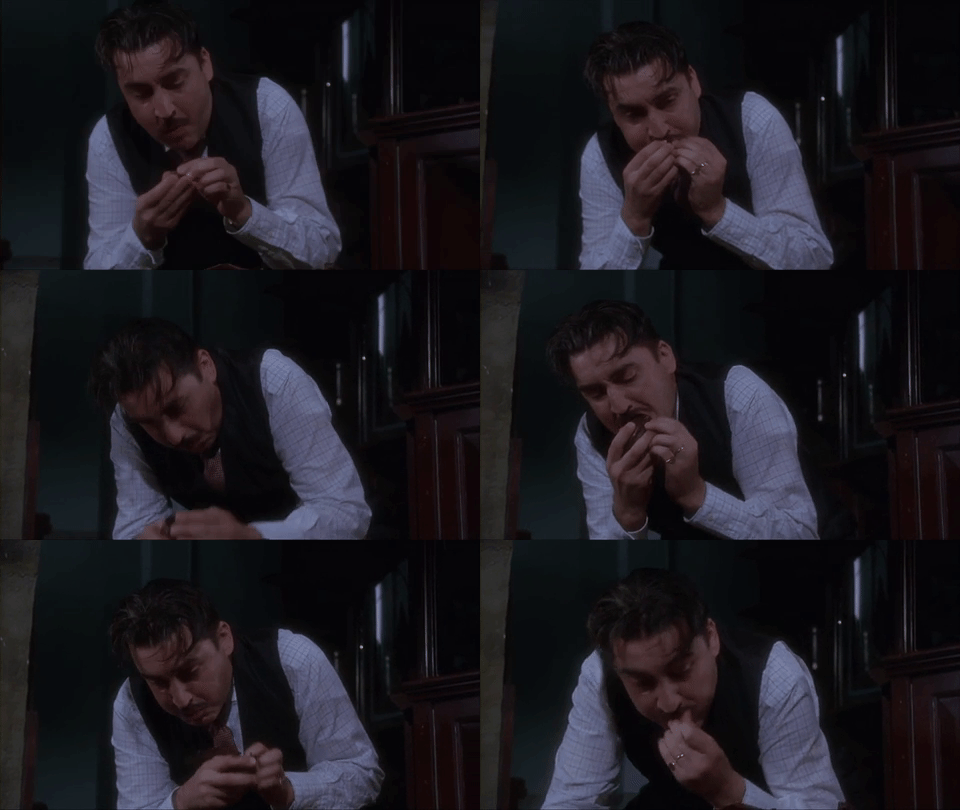
The story begins with infectiously irreverent single mother Vianne (Juliette Binoche) arriving in a conservative French circa the late 1950's. The arrival of vivacious Vianne and her eccentric young daughter causes a stir in the staid town that threatens to erupt into scandal when she opens a chocolaterie in the midst of Lent. Despite the disapproval of the local church and the town's stodgy mayor, Comte de Reynaud (Alfred Molina), the shop begins drawing customers to its decadent wares and away from their Lenten vows. As time passes the town, is divided between the shop's free-thinking customers and its critics, with Vianne forced into a battle of wills with Reynaud. The ensuing conflict between chateau and chocolaterie reaches its breaking point with a final showdown on Easter morning that will decide the future of Vianne, her shop, and ultimately the town.

Beneath its whimsy Chocolat relates an inspiring tale with an emotional core that is never saccharine. Though its portrayal of the often comical conflict between Vianne and Reynaud the film offers a message of tolerance that proves surprisingly resonant at the film's conclusion. The script further reinforces its message through its depiction of the ways in which the townsfolk alienate Vianne, misunderstood battered wife Josephine, and Irish Traveler Roux. By showing the by turns subtle and blatant ways in which these diverse individuals face the same struggle for acceptance the script makes an apt case for tolerance, reminding us that looking, thinking, and behaving differently from us doesn't make someone wrong, it just makes them different from us. Through its endearing portrayals of outsiders Vianne and Roux and local eccentrics Josephine and Armande the film also highlights the importance of remaining true to ourselves and embracing all that makes us unique. While these same messages have been seen in countless films Chocolat's gentle approach and humor ensure that its familiar lessons remains as light and tempting as a fresh piece of chocolate.

The endearingly offbeat tale is brought to vibrant life with a charm that is nothing short of magic thanks to the work of its stellar cast. Judi Dench is a delight in her colorful turn as aging bohemian Armande. Lena Olin is endlessly engaging as she portrays Josephine's journey from vulnerable victim to resilient survivor. Johnny Depp exudes cool in his role as cynical Roux. Alfred Molina nearly steals the film in his uproarious turn as the riotously ridiculous Reynaud. Juliette Binoche carries the film with a charm reminiscent of Audrey Hepburn in her role as Vianne.

A modern fairy tale with the moral merit of a classic fable, Chocolat is good to its last drop. Through its witty script, endearing characters, and inspiring performances, the film is every bit as delightful, as the treats of its title. For deliciously good viewing try a taste of Chocolat.
Who's counting calories?!

Monday, February 18, 2019

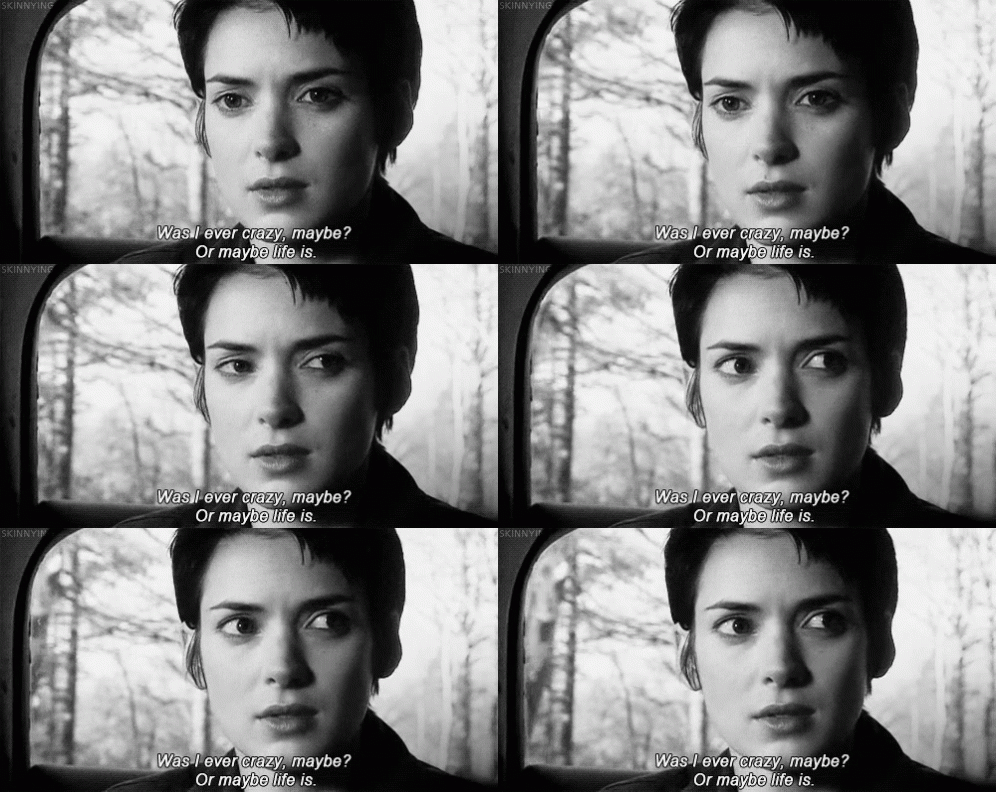
Classics: A Review of Girl, Interrupted By Lauren Ennis

Mental illness is a topic that has been portrayed with varying degrees of success since the earliest days of cinema. As social awareness of and attitudes towards mental illness have evolved, so too have the images  of mental illness portrayed on-screen. Throughout this shift in cultural understanding cinema's presentation of mental illness has dramatically shifted between damaging stereotypes to glamorizing mental illness as a form of quirkiness or creativity. Fortunately, in recent years cinema has begun offering more realistic efforts that shows the effects of mental illness upon its sufferers and those closest to them, while still offering hope for a brighter, more stable, tomorrow. One such film is the 1999 drama Girl, Interrupted. Adapted from Susana Kaysen's bestselling memoir of the same name, the film follows a teen girl as she struggles to come to terms with her mental illness. The film provides viewers with an insider's view of both life in a mental health facility and life with mental illness while reminding mental health sufferers that with help they can lead a full and fulfilling life.

The story begins with eighteen year old Susanna entering Claymoore Hospital (a thinly veiled fictional version of McLean Hospital in Belmont, Massachusetts) after attempting suicide by overdosing on aspirin. Although she insists that the overdose was accidental she reluctantly admits herself to the hospital at her parents' urging. Upon entering Claymoore she soon encounters an array of fellow patients suffering from various mental illnesses. During her stay is most affected by her interactions with charismatic sociopath Lisa and obsessive-compulsive sexual abuse victim Daisy who each lend a cautionary example of what could await her if he fails to get help. Over the course of her stay, she leans vital lessons that allow her to lead a fulfilling life outside of Claymoore in which she can thrive rather than merely survive.

Girl, Interrupted sets itself apart from similar dramas through its blunt portrayal of life with mental illness which is both sympathetic and empowering. Too often those living with mental illness are portrayed as either victims or villains rather than as the complex and multifaceted people they actually are. In Girl, Interrupted however, Susanna and each of the young women whom she encounters are presented as three dimensional characters with strengths weaknesses rather than as stereotypes or walking lists of symptoms. As a result, viewers cannot help but become invested in each of their stories as they face the same all too real struggles that millions suffering from mental illness encounter each day. Girl, Interrupted earns particular note for the nuance of its script which empathizes with its characters without making excuses for their actions. For example, while the film acknowledges the tragedies of Lisa's continued confinement and Daisy's eventual suicide it also highlights the ways in which those events could have been avoided if Daisy and Lisa had utilized the resources offered to them. In this way the film empowers mental illness sufferers by reminding them that they have the power to start on the path to a better tomorrow if they take even one step towards getting help today. Despite its unflinching portrayal of its subject matter the film is neither exploitative nor bleak as it empatheticaly portrays the obstacles faced by mental illness sufferers and those around them and the ways that, with treatment, those obstacles can be overcome.

Kaysen's memoir is brilliantly brought to the screen by the film's talented cast. Whoopie Goldberg gives an effective understated performance as no-nonsense hospital nurse Valerie. Brittany Murphy compellingly portrays the contradictions of Daisy's arrogant, haughty, exterior and internal torment. Angelina Jolie steals each scene in which she appears  in her explosive performance as the magnetic Lisa. Winona Ryder excels in her double duties as both actress and executive producer, with her role as Susana standing out as one of thee most authentic and complex of her career.

Girl, Interrupted is a masterful portrait of the ways in which mental illness interrupts and alters the lives of those touched by it. Through its complex script and multifaceted performances the film aptly portrays one unique group of women while offering universal insight into the struggles of mental illness. For an honest depiction of living and coping with mental illness take a brief interruption with Girl, Interrupted. 

Saturday, February 2, 2019

Classics: Valentine's with Cinema's Oddest Couples


The winter winds continue to blow and the television is alight with a warm and fuzzy glow; Valentine’s Day is upon us once again. That means that television and cinema screens will be flooded with the same familiar faces, well-worn odds, and time-honored plots. For those craving more than the same tired and true love stories, this week I’ll be turning the spotlight on three of cinema’s most outrageous, outlandish, and loveably eccentric couples. For Valentine’s Day viewing to remember, be sure to cuddle up with these unconventional classics.

Harold and Maude: Perhaps the most obvious and famous of cinema’s odd couples are the title pair from this 1971 cult classic. The story explores the unusual friendship that blossoms into an even more unlikely romance between a morbid twenty-something and an irrepressible seventy-nine year old. Harold is a wealthy young man who uses his obsession with death as both a means of rebelling against, and crying out for attention from his self-absorbed mother. He meets Maude while both are attending a stranger’s funeral; she in an effort to ease the suffering of the deceased’s loved ones, and he out of macabre fascination. The two eccentrics become fast friends with the two sharing each other’s unusual interests and eventually bringing out the best in one another. As he spends time with the ever enthusiastic Maude, Harold begins to realize that there is far more to life than waiting for death. Through her infectious influence he finally finds the courage to break free from his repressive existence and becomes determined to live life on his own terms. Over the course of the film it becomes apparent that the two are kindred spirits as they inspire and learn from one another; creating not only one of film’s most unorthodox but also most heartfelt romances.  Through its portrayal of its lovably eccentric lovers the film reminds us all that it’s never too late to lead the life that you want and that age is only a number. Equal parts quirky and touching, Harold and Maude remains a fan favorite not for its temporary novelty, but for its timeless message that a life without love, whether love for oneself, one’s partner, or life itself, is no life at all.

Ninotchka: Sometimes a couple’s differences are more political than personal. Such is the case in the 1939 classic romantic comedy Ninotchka. The story follows a stern Soviet envoy and a suave Parisian attorney as they cross legal and ideological lines to heat up the Cold War. The film begins with French aristocrat Leon easily outsmarting a bumbling Soviet delegation as they attempt to sell the state-confiscated jewels of his sometimes lover. Just when he thinks that he has legally stopped the sale, however, Moscow sends the beautiful but formidable Nina Ivanovna Yakushova, aka Ninotchka, to finish what her comrades started. When the two opponents meet by chance without realizing the other’s connection to the case romantic antics ensue that have even Garbo laughing. Through their affair the care-free capitalist and hard-boiled Bolshevik learn to see life from the other side of the wall and are ultimately the better for it. When politics threaten to separate the two a case of affection and defection occurs that proves that love, like comedy, knows no time, place, or party affiliation. For the finest in romance and comedy spend your Valentine’s Day with Ninotchka.

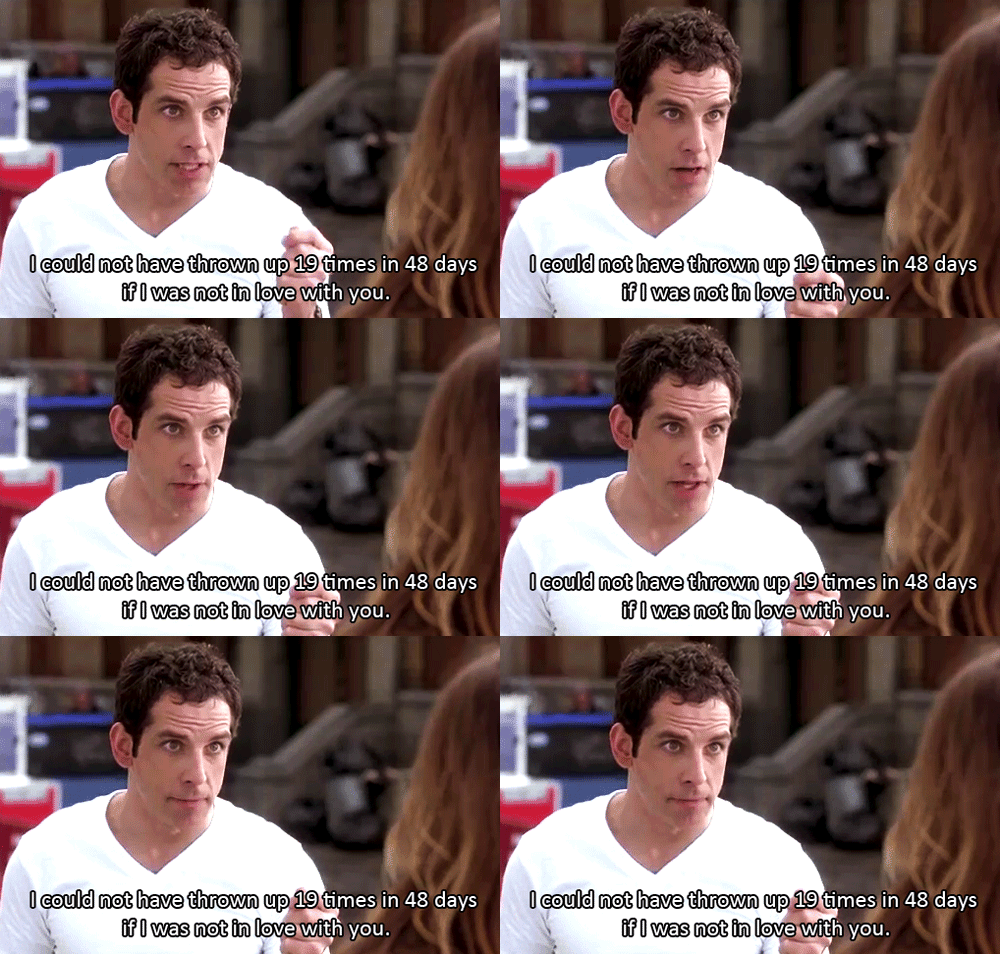
Along Came Polly: Romance by nature is full of risks as it forces us to trust our most vulnerable selves with another person. Risk analyst Reuben Pfeffer thinks that he has finally beat love at its own risky game when he marries arguably the most reliable and predictable woman that he knows. Love bounces back, however, when he discovers his new bride in the arms of her scuba instructor during their honeymoon. While recovering from the devastation of his ensuing divorce, he encounters his former school crush, Polly Prince. Although he is stunned to learn that the diligent mathlete he once knew grew up to be a flighty bohemian, he soon finds himself falling under her free-thinking spell. Before long he begins following Polly’s lead and engaging in some risky business of his own. When his ex-wife returns seeking to reconcile he is forced to choose between playing it safe and taking a chance on what just might be love. While the film follows the familiar formula of opposites attracting, its emphasis upon the ways in which we could all enrich our lives with small, every day, risks lends the proceedings emotional weight. The various subplots surrounding Rueben’s work and his former child-star best friend’s attempts at a comeback also add unexpected comedic twists that infuses the script with surprising originality. For a charmingly offbeat take on the romantic comedy genre take a chance on Along Came Polly.

Monday, January 21, 2019

Classics: A Review of My Brilliant Friend By Lauren Ennis


How much of who we are is determined by where we came from? Can we ever truly escape our pasts, and if so, should we? These are the questions that lie at the heart of HBO’s hit drama My Brilliant Friend. In just eight hours of television the series perfectly captures the tragedy and triumphs of growing up. Through its chronicle of the tumultuous lives of its heroines the series simultaneously serves as an epic exploration of a society in flux. Easily one of 2018’s most memorable series, My Brilliant Friend more than lives up to its title.
It's a hard knock life!

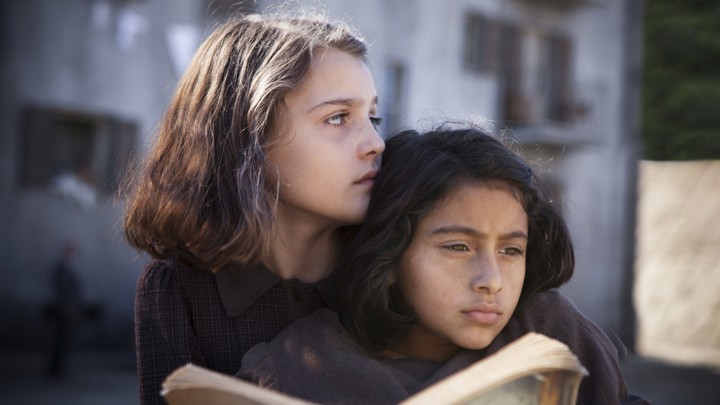
The story begins with successful author Elena Greco receiving a phone call from the distraught son of her childhood friend and neighbor, Lila Cerullo. Lila’s son explains that his mother has disappeared and destroyed every reminder of her old life. Upon receiving this news, Elena becomes furious and sets to work writing a memoir of her friendship with the brilliant Lila. The story then flashes back to Elena and Lila’s childhood in the slums of Naples just after World War II. While the adults around them cope with the aftermath of the war, the girls struggle to maneuver the war-zone like violence of their neighborhood. By fourth grade the girls realize that education is the surest path to escaping the limits of the neighborhood, and both become determined to reach the top of their class. Through their shared passion for knowledge and their mutual desire for a better life the rivals eventually forge an unlikely friendship that will endure through the tumultuous decades to come. The pair soon find themselves at a crossroads, however, as Elena’s parents reluctantly allow her to continue her studies while Lila’s parents force her to quit school at age nine and take her place at the family shoe store. 
The duo then embark upon two very different paths, one of which will lead to Elena’s success, while the other sets events in motion that will ultimately result in Lila’s disappearance.

Based upon the first of Elena Ferrante’s bestselling ‘Neapolitan novels’ quartet, My Brilliant Friend is a gripping portrait of two girls on the cusp of womanhood and a nation on the brink of change. Following closely to its source material, the unflinching script transports viewers to the gritty world that its heroines inhabit without either passing judgment or offering apologies. The script portrays its leads with equal frankness as it chronicles their struggles and triumphs with an emotional honesty that is nothing short of raw. All the while, the girls’ stories intertwine with that of their changing neighborhood with the setting acting as a silent third lead and providing a haunting reminder of the obstacles that the girls face at virtually every turn. The series also earns particular note for its startlingly accurate portrayal of history as it explores the crime, violence, and poverty that defined life in much of post-war Italy without trying to force modern views and norms onto its characters. Functioning as both a compelling coming of age story and an examination of post-war life, My Brilliant Friend is a period piece that is certain to resonate with modern viewers.
Books are a girls' best friend

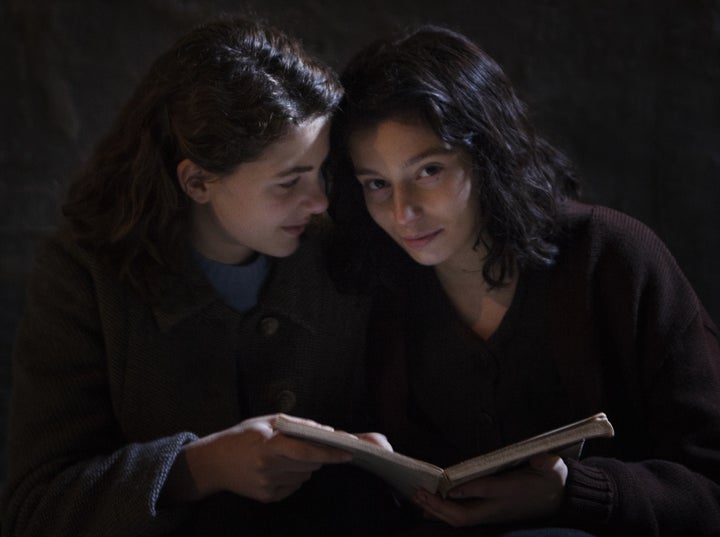
The series vividly brings Ferrante’s novel to life thanks in large part to the performances of its stellar cast. The supporting cast turn in uniformly superb performances with Dora Romano as the girls’ teacher, Miss Oliveiro, Gennaro De Stefano as Lila’s older brother, Rino, and Elvis Esposito as neighborhood tough Marcello Solara earning particular note. Even in the midst of its expansive and talented cast, however, the series belongs to the four actresses who portray Elena and Lila. Ludovica Nasti is pure dynamite in her charismatic turn as young Lila, whom she portrays as a force of nature. Elisa Del Genio is an excellent foil to Nasti’s Lila in her understated performance as young Elena as she imbues Elena with both intelligence and a subtle maturity. Gaia Girace and Margherita Mazzucco are equally well cast as the teenage versions of Lila and Elena. Girace’s portrayal of Lila makes for a seamless transition as she maintains Lila’s magnetism while capturing the ways in which she has matured. Mazzucco is equally adept in her role as Elena as she portrays Elena’s adolescent awkwardness and insecurity while still conveying her intelligence and diligence.

At once a gritty domestic drama and an insightful period piece, the series aptly explores the role that where we come from plays in shaping who we become. Through its engrossing script and transporting sets the series expertly brings Ferrante’s beloved novel to life, while still offering plenty to viewers unfamiliar with the book. With a riveting plot, a whole cast of colorful characters, and some of the best acting to grace the small screen, My Brilliant Friend proves itself to be nothing less than a brilliant viewing experience.

Sunday, January 6, 2019

Classics: A Review of Bohemian Rhapsody By Lauren Ennis


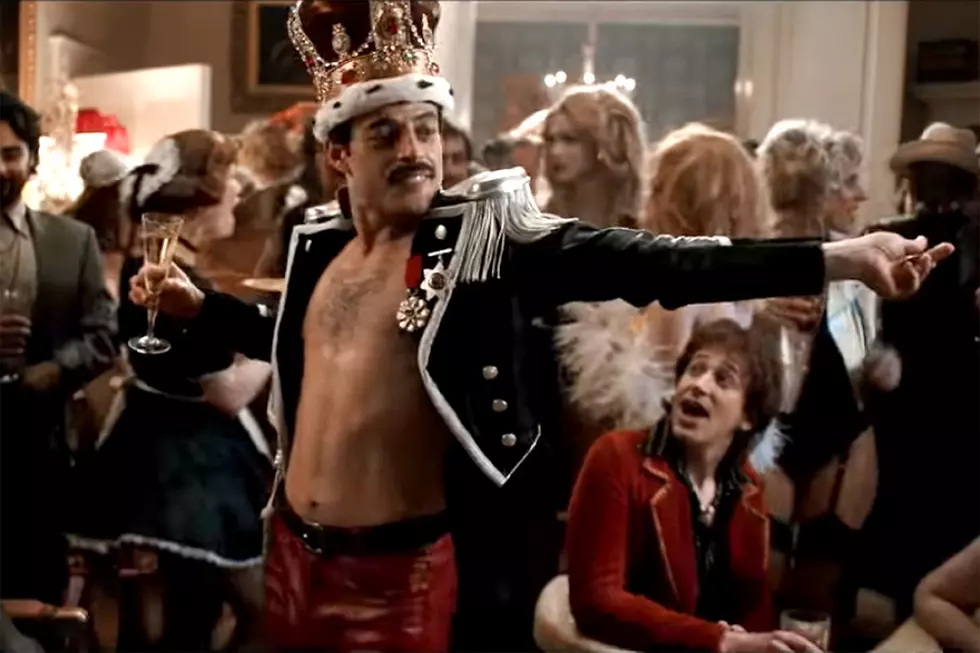
A rhapsody is defined as “a euphoric expression of joy” or “an epic poem”, while the term bohemian has evolved to be slang for unconventional or free-thinking. It is only fitting then that the epic story of the ever original artist Freddie Mercury, whose euphoric anthems remain some of rock’s most enduring songs, share the name of his greatest hit, Bohemian Rhapsody. This 2019 smash hit follows Mercury’s career from when he first joined the band that would later become Queen to the band’s legendary performance at the 1985 Live Aid concert. At once a poignant exploration of mercury’s life and a show-stopping tribute to Queen’s musical legacy Bohemian Rhapsody is a biopic guaranteed to rock you.
All hail to Queen

The film begins with Mercury (Rami Malek) preparing for his iconic performance at Live Aid before flashing back to his university days when he was still a student and aspiring songwriter. It is during this time that he meets Brian May (Gwilym Lee), John Deacon (Joseph Mazzello), and Roger Taylor (Ben Hardy) of the campus band Smile. When the band’s lead singer suddenly quits musical history is made as Mercury steps in to take his place as the band’s unlikely front man. The film then follows the group as they evolve into the band now known as Queen and begin their rise to the heights of fame and fortune. As his professional life begins to soar, however, Mercury’s personal life flounders as he struggles to come to terms with his sexual, ethnic, and artistic identities under the scrutiny of the public eye. Queen and Mercury’s ensuing struggles ultimately culminate in the band overcoming illness and in-fighting to reunite to perform at Live Aid.

After years of lying dormant in development stages and numerous false starts Bohemian Rhapsody was finally released in 2018. Fans and critics alike approached the film with skepticism as they all considered one question; would the film do justice to the legacy of Queen and the life of its iconic front man? Audiences world-wide agree that the answer is a resounding yes. In just over two hours, the film brings the intertwined stories of Mercury and Queen to life with an emotion that is nothing short of raw. The film successfully balances its focus between Mercury’s personal and professional life in a way that lends viewers insight into both the man Farrokh Bulsara and the artist Freddie Mercury. As a result, the larger than life Mercury emerges in the film as a sympathetic, complex, and entirely relatable character rather than the caricature that fans had feared. The film portrays Queen’s other members with similar nuance, ensuring that the film is every bit the story of Queen as well as that of Freddie Mercury. Even as it sheds light upon the band members’ off-stage lives the film never forgets the signature songs that lie at the heart of its story. Over the course of its running time the film recreates many of Queen’s most iconic performances ranging from their first appearance on the BBC to their set at Live Aid in a way that reminds viewers just what it was that was so killer about Queen’s music. Through its combination of back-stage drama and on-stage theatrics, Bohemian Rhapsody is more than just a film it is, to quote Mercury, “it’s an experience. Love, tragedy, joy, it’s something that people will feel belongs to them”; in short, it’s a film worthy of Queen.
Don't stop me now...

The life and legacies of Freddie Mercury and Queen come to electrifying life thanks to the work of the film’s cast. Lucy Boynton is lovely in her heartrending portrayal of the woman Mercury referred to as the love of his life, Mary Austin. Aaron McCusker turns in a memorable and endearing performance as Mercury’s down to earth partner, Jim Hutton. Joseph Mazzello imbues his performance as Queen’s bassist, John Deacon, with sly sarcasm. Ben Hardy is riotous in his energetic performance as the band’s drummer, Roger Taylor. Gwilym Lee conveys intelligence and charm in his turn as Queen’s guitarist Brian May. Rami Malek is nothing short of brilliant in his multifaceted portrayal of Mercury, whom he embodies to such an extent that even Brian May has been quoted as saying, “he inhabited Freddie to the point where we (the band) even started to think of him as Freddie”. Together, the cast bring Queen’s story to life with a passion and skill that is nothing short of rhapsodic.
You're right, I am a legend

Soulful, operatic, and inspiring are just a few of the words that apply equally to Queen’s music and the film Bohemian Rhapsody. After years of production difficulties the story of Queen and Freddie Mercury has finally arrived, and proved that it was more than worth the long anticipated wait. Through its well written script, spot-on acting, and electrifying musical performances the film has rocked audiences worldwide. For a biopic that is truly a champion of the genre, join Queen in Bohemian Rhapsody.

Thursday, December 20, 2018

Classics: A Rankin Bass Christmas By Lauren Ennis


With the release of the enduring classic special Rudolph the Red Nosed Reindeer in 1964 animation studio Rankin Bass Productions became synonymous with holiday entertainment. Even decades later, the studio’s stop-motion television specials remain some beloved holiday viewing as they continue to be passed from one generation to the next. In the spirit of the season, this week I’ll be turning the spotlight on three Rankin Bass films that will have you wishing that the holiday season could last all year long.
You better watch out, you better not cry...

Santa Claus is Coming to Town: No Christmas viewing list would be complete without a visit from the man of the hour himself; Santa Claus. This 1970 film functions as a delightful origins story for Santa as it relays how an abandoned infant defied the odds by growing up to become a living legend. The story begins with an elf family, the Kringles, finding a baby on their doorstep. The Kringles, a family of once successful toy-makers, take the child in and give him the name Kris Kringle. When he grows up, Kris takes his place in the family business and becomes determined to restore his family to their former place as the ‘first toymakers to the king’. Along the way he uses his stock of toys to spread joy and hope to those he encounters until he finds himself in Somber Town, where the citizens’ lives are dominated by work and chores and toys have been banned. When he dares to question the town’s despotic mayor, the Burgermeister Meisterburger, Kris soon finds himself on the wrong side of the law and embarks upon an adventure that will transform him from entrepreneur to outlaw to saint. The film expertly utilizes the then innovative technique of stop-motion animation to bring Kris and his whimsical world to life. The engaging voice performances (including performances by screen legends Mickey Rooney and Fred Astaire) and toe tapping tunes ensure that audiences of all ages will find something to love. This Christmas join Kris and the Kringles in Santa Claus is Coming to Town.
Jack Frost nipping at your nose..


Jack Frost: While this film may be less well known than some of its counterparts, Jack Frost is still a prime example of Rankin Bass at its finest. Rather than maintaining a narrow focus upon one holiday or religious tradition, the film celebrates the entire winter season. As a result, the film makes for ideal seasonal viewing for diverse audiences which remains timely for more than just one brief month. The story follows winter sprite Jack Frost, who longs to become human. Jack’s life is further complicated when he finds himself falling for a mortal woman and becomes torn between his dream of a mortal life and his duty as a winter sprite. After Jack pleads his case Father Winter reluctantly relents and allows him to become human on the condition that he will return to his true form unless he can secure a house, a horse, gold, and a wife by spring. The tale then evolves into a fish out of water story reminiscent of The Little Mermaid as Jack struggles to adjust to mortal life while also trying to earn the affection of the woman he loves. The film utilizes the studio’s signature animation to full effect as it transforms the screen into a glittering winter wonderland. The voice actors all turn in amiable and engaging performances and also aptly perform the film’s heartwarming songs. The film’s child-friendly story and songs are sure to engage young viewers while the story’s morally conflicted hero and bittersweet ending lend the film a maturity and emotional weight that are all too rare in family entertainment. For some fun in the snow spend your holiday with Jack Frost.
Never send a man to do a woman's job


The Year Without a Santa Claus: Although Santa’s name may be in the title, it’s his gutsy wife and loyal staff who take center stage in this musical adventure. Easily one of the Rankin Bass’ most unconventional efforts, the film also holds the distinction of standing out as one of the studio’s most beloved releases. Rather than focusing upon Santa himself the story instead turns the spotlight on those around him who help make the magic of Christmas happen from behind the scenes. The story begins with Santa entering a state of depression after learning that many people have ceased to believe in him. Dejected, Santa then takes to his bed determined to cancel Christmas. Fortunately for viewers, however, Mrs. Claus refuses to give in without a fight and hatches a scheme to get Santa out of bed and back into his sleigh by Christmas. The film showcases an array of offbeat characters who break the typical norms of holiday films including well-meaning but bumbling elves Jingle and Jangle, homesick reindeer vixen, the sharp-witted Mother Nature, and the outrageous Miser Brothers (whose endlessly engaging shenanigans have more than earned them their cult following). The film also features a series of toe tapping tunes with the Misers’ Vegas-style numbers and the whimsical title tune particularly standing out. The story is especially noteworthy for its more complex portrayal of Santa and Mrs. Claus, who step outside their usual cheery roles as Santa is confronted with an existential crises which in turn prompts Mrs. Claus to reevaluate her place in the family business. This holiday season don’t go without The Year Without a Santa Claus.

Saturday, December 8, 2018

Classics: A Review of the Haunting of Hill House By Lauren Ennis


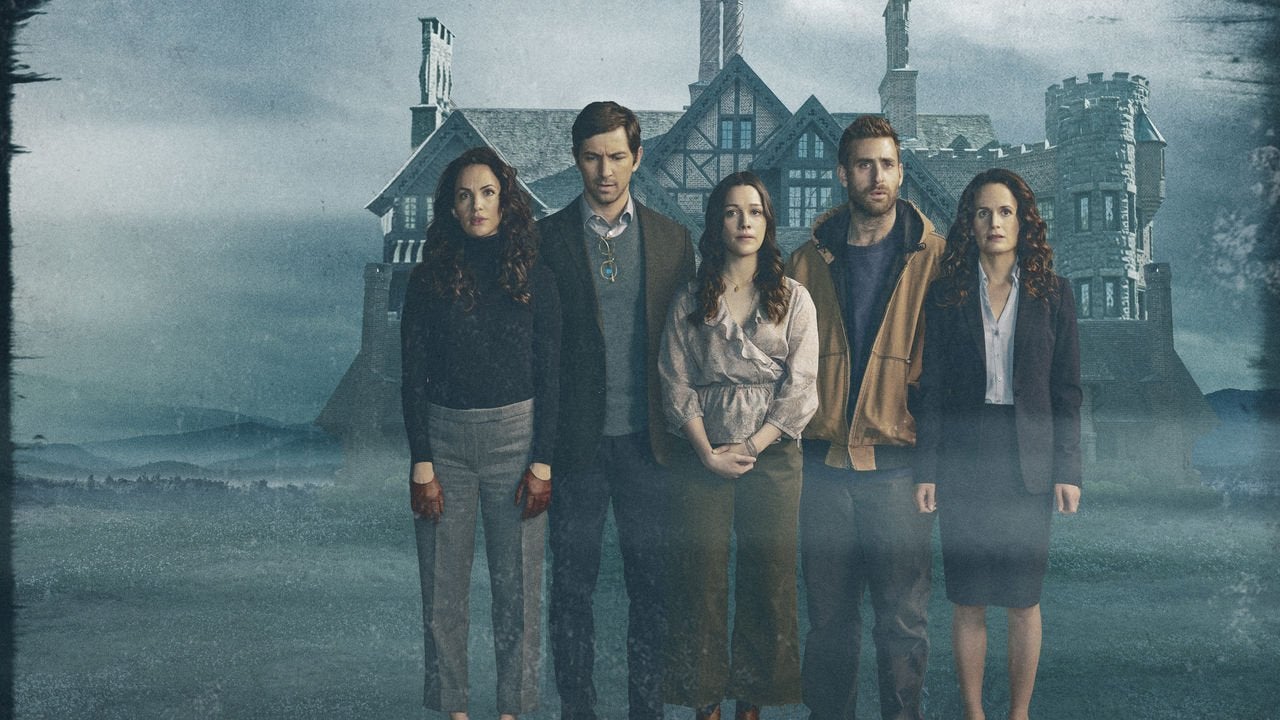
“There’s no place like home”, is a phrase most often spoken with warmth and nostalgia. For the residents of Hill House, where all who walk there walk alone, however, this nostalgic adage takes on a chilling meaning. In 2018’s hit horror series The Haunting of Hill House an unsuspecting family learns just how unlike any other place their new home is as they are confronted with terrors that will haunt them for years to come. At once an innovative, modern, take on the classic haunted house story and a raw exploration of the inner demons that haunt us all The Haunting of Hill House makes for a viewing experience that is simply to die for.  
The modern dream home

The story cleverly plays with the concepts of time and memory as it shifts between the summer of 1992 and the present day. The flashbacks chronicle the sinister events of the fateful summer that the Crain family spent at the mysterious Hill House while the present day scenes relate the ways in which those events continue to impact the family years later. The family, made up of handyman Hugh (Henry Thomas and Timothy Hutton), his architect wife, Olivia (Carla Gugino), and their five children first arrive at the house with the intention of ‘flipping’ the gilded-age manor and then selling it for a profit. What the family did not plan on, however, was that their new home would have plans of its own. As the series progresses, the family are confronted with ghosts of both the supernatural and metaphorical variety as they struggle to escape the ‘not sane’ Hill House with their sanity and lives intact.

Although haunted house stories seem to invade our televisions each Halloween The Haunting of Hill House earned its status as an instant horror classic by telling a story in which its characters are even more haunted than the titular house. Rather than focusing upon the expected array of scares, the series maintains a tight focus upon the Crain family as it explores the fascinating question of what exactly happens after a horror movie ends and the survivors finally leave a haunted house. As the series progresses, and viewers witness the ways in which the Crains struggle to rebuild their shattered lives, the story evolves into a meditation on trauma. The script’s focus upon family provides additional emotional resonance as the characters reveal the ways in which family can be both our salvation and our own personal curse. Through its focus upon such familiar themes as family and trauma the series transcends the limits of the horror genre and becomes a universal tale of the places, people, and experiences that haunt us and the need to exorcize our own demons. Even as it explores the darkest corners of the human psyche, the series offers plenty of traditional scares including decaying former residents, soul-switching possession, and a certain bent-necked lady that are guaranteed to leave you sleeping with the lights on. For a frighteningly good viewing experience that will have your pulse and mind racing join the Crain family as they experience The Haunting of Hill House.
Wakey Wakey...

The ominous halls of Hill House come to eerie life thanks to the excellent work of the cast. Henry Thomas and Timothy Hutton aptly portray how the traumatic events at Hill House transformed Hugh from a cheery and ambitious family man to the tormented shadow of himself that he has been reduced to in the present. Carla Gugino skillfully conveys the dual nature of Oliva’s personality as she portrays Olivia’s warm and vivacious persona, while still ensuring that she remains an ethereal enigma to viewers. Paxton Singleton and Michiel Huisman create a fascinating contrast in their dual roles as the carefree and fun-loving pre-haunting Steve and the isolated, materialistic, man he has become. Lulu Wilson and Elizabeth Reaser are well cast as responsible older sister Shirley in seamless performances that perfectly complement each other. McKenna Grace and Kate Siegel nearly steal each scene that they appear in as caustic clairvoyant Theodora. Julian Hilliard and Oliver Jackson-Cohen are endlessly endearing as well-meaning but misunderstood Luke. Violet McGraw and Victoria Pedretti are heartbreaking in their portrayals of sensitive Nell, who always seems to be lost amidst her preoccupied family.


We are family, get up everybody and scream!

Through its careful balance between supernatural and real-life horrors The Haunting of Hill House breathes fresh life into the horror genre. The twisting narrative and multi-faceted characters ensure that viewers will remain on the edge of their seats even when there isn’t a jump scare prompting them to leap off. The excellent performances, engrossing cinematography, and stunning visuals ensure that the ten-hour series is a non-stop thrill ride. Part modern family drama and part old-fashioned horror story, The Haunting of Hill House is a wholly original viewing experience and a must-see for horror fans. For a series that is certain to leave you paralyzed with fear pay a visit to Hill House.