Showing posts with label Top 5 Lists (and such). Show all posts

Monday, May 4, 2015

Mom in the Movies: Three Movies to Celebrate Mother’s Day By Lauren Ennis

Each year, we celebrate motherhood in its many forms and the influence of mother figures upon our lives. While motherhood is truly something to be celebrated, it is impossible for any single film to fully capture the experience of motherhood in all of its complexity, heartache, and fulfillment. This week, I will be featuring three films to honor those most special of ladies in our lives. Please let me know what your favorite mother’s day movie is in the comments!

1. The Joy Luck Club: Adapted from the best-selling Amy Tan novel of the same name, The Joy Luck Club interweaves the stories of four Chinese women in San Francisco as they struggle to raise their American-born daughters. Through its portrayal of the misunderstandings and insecurities that plague the women’s relationships, the film expertly captures the contradictions of the immigrant experience. By framing its tales through flashbacks from each character’s perspective the film also conveys the complexities of relationships between cultures and generations, as each pair of mothers and daughters strive to understand and relate to one another. Throughout its eight vignettes, the film maintains an uncompromising honesty in its depiction of the ways that families hurt and betray each other, sometimes without even realizing that they are doing so. After years of unfulfilled hopes and unsaid grievances, however, each pair ultimately realizes that although they may not always understand one another there’s a lot that they could learn from each other. Through all of the turmoil both personal and political that both generations endure, two things about these women remain unchanging; their resilience and their devotion to their families. At once a cross-cultural period piece and a modern character study, The Joy Luck Club is a must see for anyone who grew up thinking they were so different from their parents only to grow up and learn otherwise.
A picture that tells a thousand stories

2. Two Women: Released in 1961, Two Women was the film that shot Italian starlet Sophia Loren to international stardom. Prior to the film’s production, Loren had starred in several Italian films as well as a handful of Hollywood romantic comedies. It was only when she acted against the sexy type that studios had tried to pigeonhole her in, however, that she achieved what was perhaps her greatest cinematic success and became the first actress in a foreign film to win Hollywood’s coveted Best Actress Oscar. The film chronicles the efforts of a widowed shopkeeper to shield her pre-teen daughter from the horrors surrounding them in war-torn Italy. After the allies begin bombing Rome, Cesira (Loren), decides to seek refuge in the mountain village she grew up in. Upon reestablishing themselves in the village, however, mother and daughter are confronted with the reality of war once again with the arrival a regiment of Nazis departing the country. The Nazis demand that the village school-teacher (Jean-Paul Belmondo) whom Cesira has begun a romance with and her daughter, Rosetta, (Eleanora Brown) has developed a crush on act as their guide and take him as a prisoner, devastating both women. After she learns that the German occupation of Rome has nearly ended Cesira determines to return home and rebuild her business. This decision proves to be a fateful one as it leads them on a grueling journey that results in the pair being attacked by a group of Moroccan soldiers in one of the most brutal (although not especially graphic) scenes in cinematic history. Although desperation and trauma threaten to shatter their relationship along with their innocence, the two manage to find their way back to each other in time to realize that their greatest strength and solace is in each other. Through its unflinching depiction of World War II and its atrocities, Two Women is a compelling argument against war and a powerful testament to the ultimate triumph of the human spirit in the face of adversity, which perfectly captures the sacrifice of a mother’s love.
Motherhood: a true balancing act

3. Volver: Made in many ways as a nod to one of director Pedro Almodovar’s favorite icons, Two Women star Sophia Loren, Volver is a modern Spanish take on the neorealist films of ‘50’s and ‘60’s Italian cinema. The film begins with sisters Soledad (Lola Duenas) and Raimunda (Penelope Cruz) visiting their ailing aunt where they are told that their aunt’s neighbors claim to have been visited by the ghost of their deceased mother. Soledad is shaken by the visit, but working mother Raimunda pays it little mind as she returns home to her unemployed husband, Paco (Antonio de la Torre) and teenage daughter, Paula (Yohana Cobo). The paranormal stir soon becomes the least of Raimunda’s worries after Paula stabs Paco to death when he attempts to rape her. As she scrambles to cover up the murder, Raimunda is forced to reflect upon the sexual abuse that led to her estrangement from her own mother, Irene, (Carmen Maura) and the mysterious circumstances surrounding Irene’s death. Complications both dramatic and comic ensue as the ‘deceased’ Irene returns and takes up residence in Soledad’s apartment and the sisters’ friend and former neighbor, Augustina, turns to a sleazy day-time talk show to investigate Irene’s death. While the film’s various elements seem incompatible on paper, the story successfully weaves elements of gritty drama, supernatural fantasy, and absurd comedy to compromise a cohesive and endlessly entertaining narrative that is almost as complicated as family life itself. The ensemble cast is uniformly excellent with Cruz earning particular note in her multifaceted role that is both an artistically original performance and an affectionate tribute to the stars of yesterday. Part surreal comedy and part poignant family drama, Volver is a film that defies conventional definition in its telling of a tale that is both entirely unique and universally relateable.
You're never too old to need your mother

Tuesday, October 7, 2014

Classics: Three Shockingly Modern Pre-Code Films By Lauren Ennis

Classic cinema is often dismissed because of its lack of special effects, black and white filming, and conservative subject matter. Prior to the advent of the 1934 Hay’s Code, however, cinema was anything but safe as films were free to explore such adult issues as sex, drugs, and violence without consequences. During this time, Depression era audiences could find an escape from their own troubles without resorting to glossed over fantasies, as a plethora of racy stories and risqué performances found their way to the silver screen. This week I’ll be featuring three of the most notorious pre-code films that remain shocking even by modern standards.
Not so loud, honey, Mommy's on withdrawal right now

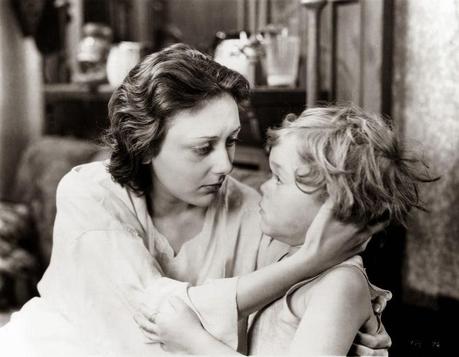
THREE ON A MATCH: Sex, drugs, suicide, and child neglect? 1932’s Three On a Match blends these strange elements and more to create a truly sin-tillating story of the lives of three very different childhood friends. Tough gal Mary (Joan Blondell) struggles to make a living as a chorus girl after spending time in reform school, while straight-laced Ruth (Bette Davis) tries to work her way to corporate success as a secretary, and vampish Vivian (Ann Dvorak) marries into wealth. Despite her financial security and seemingly ideal home life with her husband and young son, Vivian remains restless and unsatisfied with her life. She embarks upon an affair with exciting gambler, Michael (Lyle Talbot), and abandons her marriage in favor of life in the fast lane. Unfortunately for Vivian’s husband, Robert (Warren William), she was not prepared to abandon their son (Dickie Moore) and the little boy is hidden at her new apartment where he is exposed to gangsters, belligerent drunks, and his mother’s promiscuity.  By the time that Mary discovers Vivian’s whereabouts, Vivian has already entered a downward spiral of addiction as she is strongly implied to be using both cocaine (her constant rubbing under her nose) and heroin (Michael gestures to her in front of his friends and mimics injecting his left arm), leaving her son to fend for himself as he wanders about the apartment in filthy clothes consuming discarded, half-eaten bits of party snacks to avoid starvation. Perhaps the most shocking aspect of Vivian’s descent is the nonchalant way in which the other characters regard her behavior. Although Mary disapproves of Vivian’s lifestyle, she fails to turn her in to the police for kidnapping or child neglect, which would seem to be the most logical course of action, and leaves Vivian with a mild reprimand before turning her attention to beginning a romance with Vivian’s lonely husband. Mary eventually tells Robert the whereabouts of his son and immediately proceeds to take Vivian’s place as Robert’s live-in girlfriend and Robert Junior’s almost equally neglectful step-mother. Similarly, Ruth seems largely oblivious of anyone else’s actions and gladly takes on a job as governess to Vivian’s son after Mary moves in, only to leave him wandering at the edge of the pond in Central Park while she catches up on her reading. The boy is then kidnapped at the park by a group of gangsters (led by a young Humphrey Bogart) to whom Michael owes money and held for ransom at Vivian’s apartment. The film reaches its climax when Vivian is aroused from her drug-induced haze just long enough to overhear the gangsters plotting to kill her son to prevent them from being tied to the kidnapping and commit an elaborate public suicide in an act of desperate devotion (the suicide alerts the police to investigate the apartment window she threw herself from) that the film leads viewers to believe is her only chance at redemption. This saucy melodrama is far more than the innocent bit of school-day nostalgia it was packaged as and proves that ‘women’s pictures’ had a little something for everyone.
The family that shoots together...

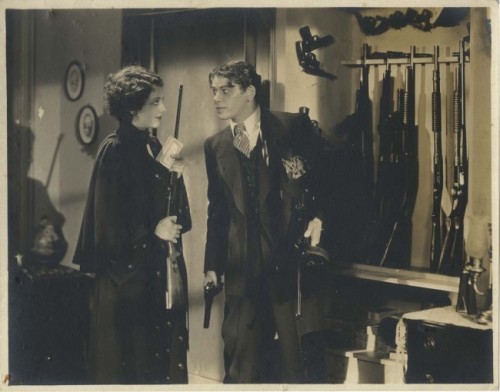
SCARFACE: While it may not feature any mention of a certain ‘little friend’ the original gangland classic contains a virtual gallery of shocking moments involving machine guns, mobster’s molls, and sibling affections that are anything but brotherly. Like its 80’s successor, the story begins with a classic tale of the American Dream that within just a few frames goes brutally wrong. Recent Italian émigré Tony Camonte (Paul Muni) begins his career as an enforcer for a local mob in Chicago and quickly shoots his way through the ranks. With a clever montage of ‘x’ marks displayed across the screen to mark the departure of Tony’s victims, the film soon contains enough corpses to fill a morgue as he conquers opposition on both sides of the law. Along the way, he diverts his spare time between relentlessly pursuing his boss’s moll, the slinky Poppy (Karen Morely), and guarding the long gone virtue of his brazen sister, Francesca (Ann Dvorak). What is particularly striking about this film is the fact that despite his place at the film’s center, Tony is hardly the most callous or brutal character. His best friend, Guino, displays equal ruthlessness as he abandons any semblance of loyalty to their boss and carries out Tony’s orders without question. Similarly, Poppy presents herself as a classy, independent, woman only to later reveal that she is the sort of person who can be bought and sold for the right price. Although the film contains the requisite machine gun happy action of its genre, it is the bizarre relationship between Tony and his sister that is its most shocking element. While it is little surprise that Francesca is as ruthless and amoral as her brother, the way that these shared qualities attract his attention is nothing short of disturbing. Each time that Tony sees Francesca so much as talking to another man he flies into an uncontrollable rage befitting a jealous lover, and when he finds her alone with Guino at Guino’s apartment, he immediately starts shooting. It is only after Guino is dead that Francesca confesses that she and Guino were married but kept their relationship a secret to avoid Tony’s wrath. After she informs on him to police in retaliation, Francesca finds her brother hiding in an abandoned building, but is unable to follow her plan to kill him and instead proceeds to help her husband’s killer in his final shootout with police. For all its excesses, Muni’s performance as Tony is just over the top enough to fit in within the chaotic society on the brink that he is determined to succeed in.

That's one way to take dictation

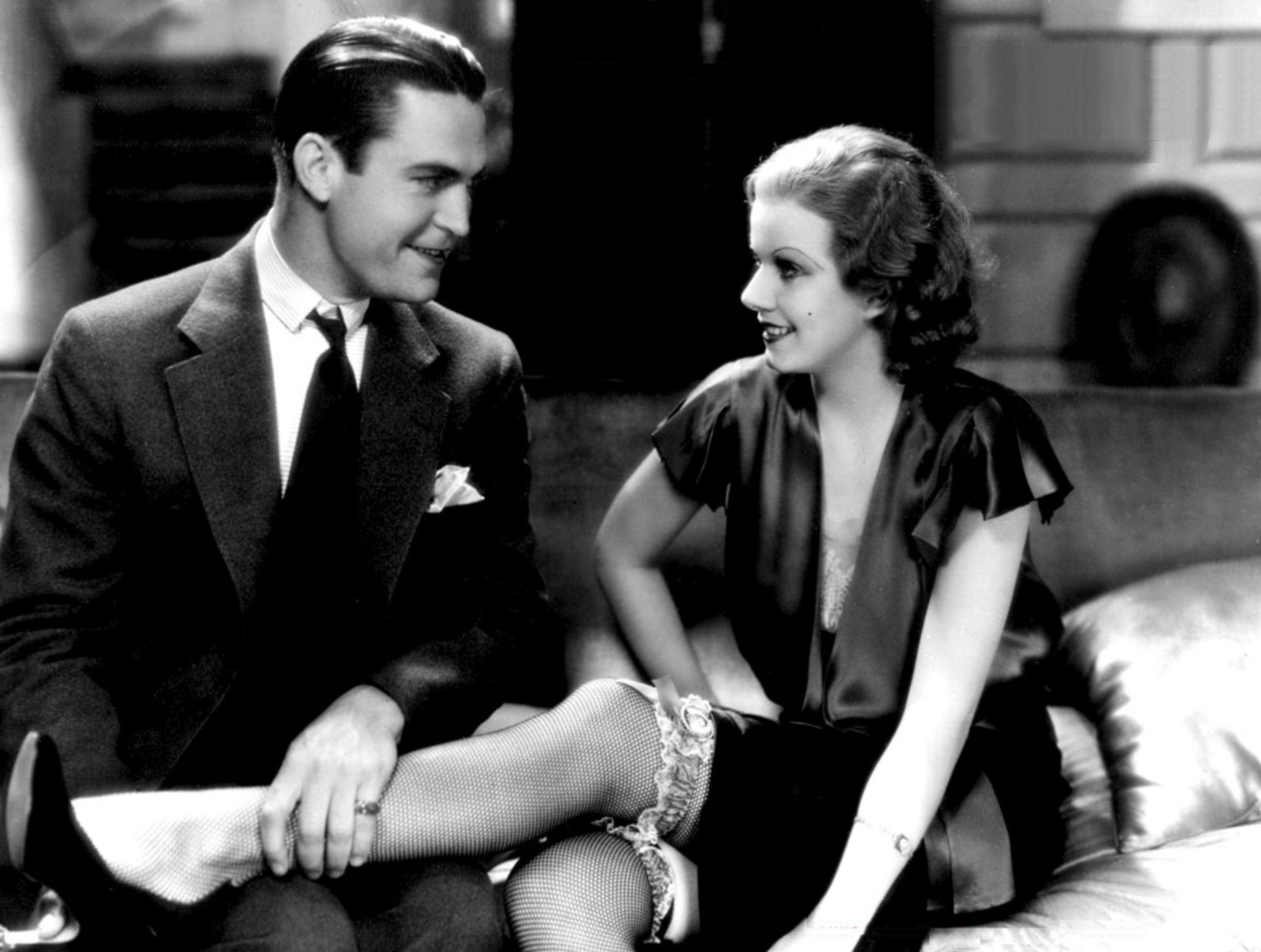
RED-HEADED WOMAN: Jean Harlow made a successful career out of playing wanton women, but even she had rarely enjoyed a part as seductively scandalous as that of Lillian ‘Lil’ Andrews. In 1932’s Red Headed Woman, Harlow plays Lil as nothing less than a weapon of mass destruction ready to detonate. At the film’s start, Lillian proudly alerts her friend to her plan to seduce her way to the top of the society and by the next scene has already set her plan in motion. She starts by seducing her boss, Bill (Chester Morris), and convincing him to leave his devoted wife (Leila Hyams), only to find that her relationship has brought her material success but left her a social outcast. Ever ambitious, Lil refuses to settle for less than the best and proceeds to seduce one of Bill’s  top clients, Charles (Henry Stephenson), and blackmail him into hosting a soiree in her honor, as she knows that even the most morally rigid members of their social set would not dare to turn down his invitation. Much to her dismay, however, the guests arrive only to leave early for a party at Bill’s ex-wife’s house across the street (the location for their new home was Lil’s vindictive idea). She then lashes out at Bill, blaming him for her ostracism and rightly guessing that he would rather be at Irene’s as well, and runs away to start over in New York City. Meanwhile, Bill discovers heraffair with Charles and hires a private investigator to track her in New York. The investigator proves to be worth every penny as he discovers that Lil is not only continuing her affair with Charles but has also begun to carry on a second liaison with Charles’ chauffer, Albert (a pre-stardom Charles Boyer). Bill alerts Charles to Lil’s antics and both men quickly cut their ties with the scheming seductress. Fortunately for viewers, however, the story doesn’t end there as Lil returns to Bill only to find that he has reunited with his wife. Enraged at her plan’s failure, she shoots Bill in retaliation, but fails to kill him. Rather than prevent Lil from wreaking any more havoc by notifying the police, Bill decides to pretend the shooting never happened in exchange for her quietly divorcing him. Surprisingly, Lil actually takes Bill up on his offer and is last seen on the arm of an elderly Frenchman…whose chauffer is none other than Albert. Not only do Bill, his wife, and Charles refuse to punish Lil for her misdeeds, the film’s screenwriters seem equally smitten with their anti-heroine as she is left free to scam another day at the film’s finish. Pre-code audiences were given the chance to laugh along with Harlow as Lil is given free rein to cheerily go about her sociopathic business with her punishments restricted to a single slap in the face that, in one of the film’s kinkier moments she happily admits she would like more of. Manipulation, moral decay, and plenty of leg are all in a day’s fun in this Depression era rom-com that is anything but romantic.

Tuesday, September 30, 2014

Classics: Five Reasons to Celebrate Seventy-Five Years of Gone With the Wind By Lauren Ennis

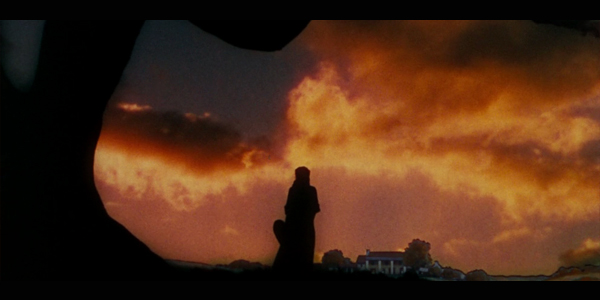
1939 is often remembered as the best year in cinema, as during this one year numerous classics including Ninotchka, Stagecoach, Mr. Smith Goes to Washington, and The Wizard of Oz were released. Despite the fine quality of these films, however, one production eclipsed them all; MGM’s adaptation of Margaret Mitchell’s epic tale of life and love during the American Civil War, Gone With the Wind. It has been seventy five years since iron-willed Scarlett O’Hara first appeared on screen, and in that time her struggle to not only survive, but thrive in a world that has exploded beneath her has only become more mesmerizing. Here are just five of the countless reasons to celebrate seventy-five years of Gone With the Wind in all of its romance, excitement, heartbreak, and ultimately its glory.
No gentlemen or ladies in this war!

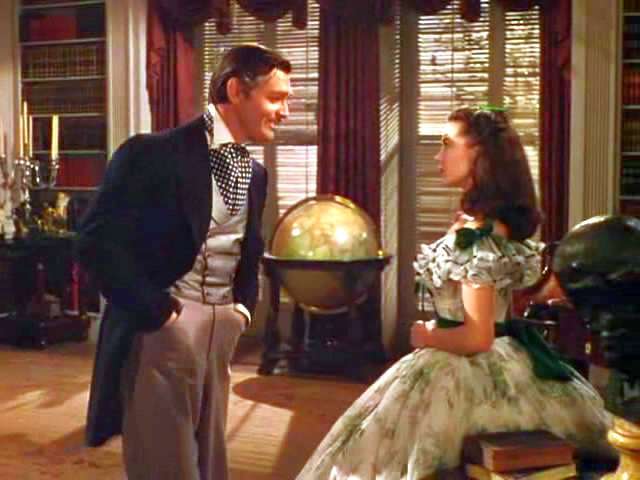
1.      CHARACTER DEVELOPMENT: Chronicling twelve years in the life of Scarlett O’Hara against the backdrop of the Civil War and Reconstruction, Gone With the Wind is truly epic in scope. While its four hour running time may seem redundant, the film manages to keep viewers on the edge of their seats through every minute of it. This ability to entertain is largely due to the way in which it accurately portrays the growth and development of each of its characters in response to the turbulent times in which they are living. The most startling changes take place within its central heroine as Scarlett seamlessly evolves from a fiery but sheltered plantation belle, to the embittered but resourceful head of her struggling family, to a successful but ruthless businesswoman. While such drastic changes might have come across as false or forced in another film, the script’s writers portray the drastic experiences that mold its characters with such honesty and nuance that Scarlett’s transformation is only logical. Similarly, her roguish suitor, Rhett Butler, slowly reveals himself to be far more decent than the gentlemen who scorn him as he risks his life to transport Scarlett and her sister in law, Melanie, out of a burning Atlanta and proves himself to be a far more devoted husband and father than even Scarlett thought him capable of. Even the film’s supporting characters face a number of changes as delicate Melanie acquires a quiet strength and dreamy Ashley is finally forced to face reality after returning home from war to a world that no longer has a place for him. Through its portrayal of real people living in all too real hardships, the film ensures that audiences understand and care about each and every member of its massive cast from its opening in the twilight of plantation living to the aftermath of war and occupation.

2.      SIGHTS AND SOUNDS: One of the first things that any viewer will notice when watching Gone With the Wind is the skill with which it was produced. Despite its 1939 release, the film’s visual and sound effects remain nothing short of stunning. The sets are rendered with such detail that it is shocking to realize that the rolling fields of Tara, bustling streets of Atlanta, and battered remains of the Civil War were not filmed in Georgia, or anywhere in the south but actually on a series of studio lots. The period costumes are also impeccably accurate and highlight the stark changes in the character’s circumstances better than any dialogue could. Scarlett’s costumes were such stand-outs that her dresses (a certain curtain comes to mind) remain staples of fashion inspiration and pop culture reference. The dazzling Technicolor that the film was shot in brings the long since vanished world of the Old South to vibrant life, leaving viewers with the sense that they have actually been transported back in time to this critical juncture in history. Max Steiner’s lilting score is nothing short of iconic and provides an emotional soundtrack to the film’s proceedings. In particular, his “Tara’s Theme” remains one of the most recognizable themes to ever come from a cinema speaker through its ability to evoke nostalgia, struggle, and ultimately triumph in its notes.

3.      HISTORICAL SIGNIFICANCE: The success of the film can be measured in as many terms as there are members of its cast. The film won a total of ten Academy Awards with Best Actress and Best Actor Oscars going to stars Vivien Leigh and Clark Gable and the picture earned that most coveted of awards, Best Picture. Hattie McDaniel’s Oscar win for her by turns comical and heartfelt portrayal of O’Hara family slave turned devoted family confidant, Mammy, marked the first time that an African American took home the gold statue and began the process of breaking down the racial barriers that dominated Hollywood. Even after seventy-five years of passing trends and new blockbusters, the film maintains the title of all time highest ticket sales and top grossing film of all time when adjusted for inflation, a fact that is particularly daunting when considering the limits of marketing campaigns and consumer resources during the Great Depression.
Nothing gets past Mammy


4.      REALISTIC ROMANCE: One of the most memorable aspects of the film is the timelessness of the romance between Scarlett and Rhett. While many films idealize romance as a pure thing that effortlessly conquers all, Gone With the Wind reminded its audience of the complexity and brutality that love all too often encompasses. Rather than coming together through a convenient meeting and instant attraction, these startlingly modern lovers fight, struggle, and endure their way to love. The early banter between the two reveals that each is more intelligent and complex than they present themselves as to the outside world, and more importantly that each is able to see those qualities in the other. Despite her two previous marriages and his many amorous exploits, neither can fully be themselves except when they are together. It is only in Rhett’s presence that Scarlett is able to show both the vulnerability that she is careful to hide and the shrewdness that society forbids ‘decent’ women. Similarly, it is only with Scarlett that Rhett is willing to put aside his cynical persona and reveal his true sentiments. While there is no denying the attraction between them, however, neither Scarlett nor Rhett is able to let down their guard long enough to reveal the true extent of their feelings to each other. Although their vicious cycle of each wanting the other but lashing out instead of showing it can be frustrating, it is also incredibly realistic. In movies and books love triumphs, but in life it is only as strong as the people who feel it and their courage to reveal it. In real life people feel fear, insecurity, and pride just as strongly if not more so than love, and it is all too often those feelings that drive our actions. Even after, or perhaps because, they have survived war, occupation, poverty, and personal loss, Rhett and Scarlett are too frightened of the possibility of rejection to allow themselves to come to terms with the acceptance that is actually right in front of them. While it might not be the stuff that dreams are made of Scarlett and Rhett’s romance is one that is based more in reality than such romantic favorites as Titanic, The Notebook, or even Casablanca.


5.      MORE THAN JUST A LOVE STORY: Despite the enduring power of the tragic love between its leads, Gone With the Wind is far more than a mere love story. Instead, it is the story of a place and its people; of those who go under when the world around them collapses and those who press on at any cost. The story relates more than the struggles of Scarlett O’Hara, although that alone would have made enough for a best-selling novel. Through Scarlett’s devastating lows and soaring highs viewers are witness to the leisure and hypocrisy of life in the Old South, the devastation of the Civil War both on and off the battle field, and the deprivations of Reconstruction. Following the novel’s release, it became a coveted, and often illegal, best-seller in Nazi occupied Europe and later in Soviet controlled Eastern Europe, war-torn Vietnam, and finally presently oppressed North Korea. As diverse as those societies seem, they all have two things in common; they have known the horrors of oppression in one form or another and their people still refuse to give up on hope for another day. It ultimately this same universality and timelessness that has made Gone With the Wind one of the most iconic and successful films world-wide. Coming of age tale, war story, family saga, historical epic, and so much more are encompassed in the four syllables Gone With the Wind.
After all tomorrow is another day!


Tuesday, September 16, 2014

Classics: Four Stars Who Left Us Too Soon By Lauren Ennis

In the wake of the recent deaths of such icons as Robin Williams, Lauren Bacall, and Joan Rivers, I have been thinking of the many beloved stars who have come and passed on the silver screen. In this reminiscing, I was also reminded of the many talented actors whose careers were tragically cut short before their time. In honor of the many stars who have made their way into our hearts only to leave this life too soon, I have written this tribute to four stars whose outstanding work has and will continue to live on despite their premature deaths.

JAMES DEAN: Despite the fact that his career consisted of only three leading roles, James Dean has become an icon of disillusioned youth and 50’s glamour. Like many actors who began their film careers during the 1950’s, Dean was a devoted follower of Method-style acting that was popularized in America by Lee Strasberg. While many actors of his generation utilized the Method, however, few were able to do so in a way that was as raw or riveting. After several walk on parts and extra roles, Dean finally found his breakout role in the 1955 World War I family saga East of Eden. When the film’s director, Elia Kazan, set out to cast the part of under-appreciated son Cal in 1953, he said that he wanted to find, “another Brando”, and discovered just that in the young Dean. After stealing the picture through his mulit-layered and sympathetic portrayal of troubled Cal, he went on to star in the equally compelling films Rebel Without A Cause and Giant, both of which were filmed in 1955. While his role as angst ridden new kid in town Jim Stark remains his best remembered, he reportedly preferred his work in the supporting role of a wealthy oil tycoon nursing bitterness over a past unrequited love in Giant. Through his work in Giant, Dean hoped to break away from the tormented young men he had built his career playing and move on to more mature and varied parts. During filming of Rebel he also began to pursue an interest in auto racing, which developed into a true passion. Unfortunately, audiences never did see the rising actor fulfill the promise of his first roles, as his life was tragically cut short. While driving on California’s State Route 46, Dean’s vehicle was struck head on by a vehicle that had crossed into his lane at eighty-five miles per hour. The impact of the crash left Dean trapped within the vehicle with his foot lodged between the gas and the break and caused him to suffer a broken neck as well as numerous internal and external injuries. He was pronounced dead on arrival at Paso Robles War Memorial Hospital; he was twenty four years old and had yet to see either the release of Giant, or his Oscar nominations for his roles in East of Eden and Giant. In the years since his tragic death, audiences have realized just how great the loss of this young actor was for American cinema with Dean becoming an icon of classic cool. In only three films, James Dean accomplished more than most actors do in a lifetime as he made complexity cool and cynicism sexy, all while providing a disillusioned generation with a role model who genuinely understood their fears, frustrations, and ambitions. No matter how many tough guys come and go on the silver screen, there will forever be only one James Dean.

JEAN HARLOW: Long before Betty Grable, Marilyn Monroe, Pamela Anderson and Scarlett Johannsen, there was a wisecracking dame who brought the words ‘blonde bombshell’ into the American vocabulary; Jean Harlow. Harlow received her first major role in 1930 in Howard Hughes’ World War I aviation epic, Hell’s Angels. In the notoriously risqué film, Harlow debuted her newly dyed platinum blonde hair and the infamous line “Would it shock you if I were to put on something more comfortable”. Although critics panned her performance, audiences couldn’t get enough of the snappy blonde and she quickly developed a devoted following. She went on to appear in a series of films that capitalized on her newfound fame as a screen vamp, but quickly grew tired of the brash persona that the studio had labeled her with, saying “must I always wear a low-cut dress to be important?”. She was finally able to rise above typecasting when the advent of the Hays Code in 1934 prevented studios from writing the racy parts that she had previously been relegated to. While the restrictions of the code hampered the careers of many 30’s stars, those same restrictions actually provided Harlow with the artistic freedom that she had been craving, and enabled her to improve upon and test her range as an actress. The films she made during these years prove that she was far more than a mere pretty face with a striking hairstyle and was actually a gifted comedic actress. In 1936, Harlow began complaining about health concerns such weight gain, sunburns, fatigue, nausea, and abdominal pain, but her doctors concluded that she was simply feeling the after effects of a particularly serious bout of influenza. By 1937 her health began to seriously decline, as her body swelled to twice its normal size and she became so fatigued that she was barely able to maintain her work schedule. After being in and out of hospital care for several months, Harlow entered a coma while shooting her final film, Saratoga, and was admitted to Good Samaritan Hospital where she was diagnosed with kidney failure. It is now believed that the dye she used to obtain her infamous hair color may have contributed to her illness, as its combination of bleach and ammonia combined to create hydrochloric acid, a chemical that is poisonous after chronic exposure. Harlow was pronounced dead on June 7, 1937 at age twenty-six.; even if she had been diagnosed earlier, the limited medical treatments of the 1930’s would not have been able to treat her condition. In her twenty-six years, Jean Harlow lived through more triumphs and tragedies than many people do in a century. She was also a multifaceted artist who left behind twenty one starring films ranging from drama to slapstick, as well as a posthumously published novel. Harlow once said, “I’m not a born actress. No one knows that better than I”, whether she was born with her talent or cultivated it, there is no denying that she was an endlessly fascinating actress without whom cinema would be much less entertaining.

RIVER PHOENIX: Child actor turned emerging star River Phoenix remains a haunting example of the dangerous excesses that often accompany a life on camera. After surviving a childhood living under the oppressive rules of the Children of God cult, River Phoenix was spotted by a top child actors’ agent while pan-handling on the streets of Los Angeles with his siblings. Following his chance discovery, he began his career on a series of television commercials and quickly moved on to made for television movies and several short-lived series. After several years of performing in forgettable projects, he found his break-out role in the 1986 coming of age drama Stand By Me. Although already fifteen at the time of production, Phoenix perfectly captured the contradictory adolescent desires to grow up while still grasping onto the remains of childhood as tormented tough Chris Chambers. He followed up his success in Stand By Me with Peter Weir’s family drama The Mosquito Coast, in a role that eerily mirrored his own childhood as he portrayed a teen forced to live in increasingly desperate circumstances when his parents relocate to South America to join a cult. Despite Phoenix’s belief in the project, the film ultimately proved to be a critical and commercial failure. He returned to top form, however, with his Oscar nominated turn in the 1988 drama Running On Empty, in which he portrayed the teen son of domestic terrorists on the run from the FBI. He continued in a series of successful roles into the early 1990’s which culminated in the Venice Film Festival, National Society of Film Critics, and Independent Spirit Award winning role as an adolescent prostitute in the Generation X take on Shakespeare’s Henry IV, My Own Private Idaho. During this time, Phoenix also pursued his first love, music, and contributed to the soundtracks of several of his films and also invested in the founding of the original House of Blues in Cambridge, MA. He also participated in extensive work on behalf of animal rights as a spokesman for PETA. He further helped animal rights by  buying 800 acres of Costa Rican rainforest for preservation and donating to numerous animal rights charities. Unfortunately, Phoenix’s success masked his losing battle with drugs and alcohol. On the night of October 30, 1993, Phoenix collapsed and began convulsing outside of a nightclub in which his friend, Johnny Depp, was performing. Despite efforts to resuscitate him, he was pronounced dead at Sinai-Cedar Medical Center of cardiac arrest at age 23. Toxicology tests later determined that he had suffered an overdose of cocaine and heroin that ultimately lead to heart failure. During his all too short career, Phoenix proved to critics that he was more than just another child star as he matured into increasingly complex roles while still pursuing a burgeoning music career and doing his part to give back through environmental activism. At the end of Stand By Me, the narrator says of Phoenix’s character, “Although I hadn’t seen him in more than ten years, I know I’ll miss him forever”; so too will audiences continue to miss Phoenix’s electrifying presence as the years go on.


HEATH LEDGER:  From teen heartthrob to independent film sensation, Heath Ledger was an emerging master of his craft. Inspired by his older sister’s stage performances and his love of Gene Kelly films, Ledger journeyed across Australia to pursue an acting career upon graduating high school at age 17. In Sydney, he embarked upon a television career with parts on several programs, including the wildly successful soap opera Home and Away, before making his film debut in the 1997 crime drama, Blackrock. He gained international notice in his first starring role in the American romantic-comedy 10 Things I Hate About You in which he played a high school outcast who charms a shrewish classmate. His career continued to thrive with such roles as a teen trying to survive the American Revolution in The Patriot, a medieval knight with a Gen X attitude in A Knight’s Tale, and a British soldier turned pacifist attempting to find redemption in the remake of the A. E. W. Mason classic, The Four Feathers. Ledger’s most acclaimed role came in the 2005 western/romance Brokeback Mountain, in which he played a ranch hand struggling to maintain his family life while leading a double life in a homosexual love affair with an aspiring rodeo rider. For his work as the tormented Ennis Del Mar in Brokeback Mountain Ledger earned a New York Critics Circle Award, a San Francisco Film Critics Award, a Golden Globe Award, and an Academy Award nomination for Best Actor. He followed up his mainstream success with a return to independent films as a heroin addict trying to kick his addiction in Candy, and an incarnation of 1960’s folk icon Bob Dylan in I’m Not There. He also began to pursue an interest in directing, and after directing several music videos turned his attention to beginning work on a documentary and a feature film. His final mainstream success came with his chilling take on the Joker in The Dark Knight. Unfortunately, before the release of The Dark Knight, Ledger was discovered unconscious and not breathing in his apartment by his housekeeper, Teresa Solomon. Solomon immediately called Ledger’s friend, former child star Mary Kate Olson, and his masseuse, Diana Wolozin called 911. Paramedics arrived at the apartment moments later, but were unable to revive him. A toxicology report identified oxycodone, hydrocodone, diazepam, temazepam, doxylamine, and alprazolam in his blood stream. Police reported that Ledger had been taking the drugs for treatment of anxiety, insomnia, pain, and a recent bout of pneumonia. Authorities were not able to determine if the drugs were prescribed to the actor or if they had been purchased illegally, leading to suspicion falling on Olson as Ledger’s possible drug connection, as she had also been known to abuse drugs. Controversy continued to hang over Ledger’s death as his will had not been updated to include his daughter, Matilda, or her mother Ledger’s ex-girlfriend and Brokeback Mountain co-star Michelle Williams and several of his relatives came forward to contest the legality of the will. At age twenty-nine, Ledger was just beginning to scratch the surface of the success that he possessed the talent and potential to achieve. While his death remains an alarming example of the dangers of prescription drug abuse, his true legacy will be the impact of his work both on and off camera.

Tuesday, September 2, 2014

Classics: Four Underrated Classic Actors By Lauren Ennis

Popularity is a status that is equally difficult to gauge and maintain. Actors obtain popularity through a combination of marketing, looks, luck, and of course talent. Too often, however, the actors who become stars do so as a result of fickle trends, physical appearance, and controversy rather than through actual merit. As a result, many deserving performers fail to obtain the star status that they have earned while others attain that same status through mere circumstance. This week, I’ll be focusing upon four talented, versatile, and unique performers who were underrated despite their numerous merits. Please let me know what classic stars you think are underrated in the comments!


1.      IDA LUPINO: Initially marketed as a ‘blonde bombshell’, Ida Lupino only began gaining notice as an actress when she died her hair back to her natural brunette and began testing her skill with less glamorous parts. A self-described ‘poor man’s Bette Davis’, Lupino spent the late 30’s and 40’s playing dynamic roles that utilized her acting skills rather than her looks. In a time in which women’s role were often relegated to ‘good’ and ‘bad’ girls, she defied typecasting and created a series of characters who often had little in common beyond their realism, intelligence, and personal strength. After being suspended from Warner Brothers for turning down yet another hand-me-down role from Bette Davis, she used her free time to study the activities behind the camera and became interested in moving beyond acting into directing and producing. She used her new passion to found the independent film company The Filmmakers with then husband Collier Young, and spent late 1940’s into the 1960’s producing, directing, and co-writing films that largely focused upon social issues, particularly women’s issues such as rape and single motherhood. In an era dominated by restrictive gender roles and studio constraints, Ida Lupino blazed her own trail as a true pioneer who left her mark in film on both sides of the camera.


2.      EVE ARDEN: After making her start as a 1930’s Zeigfeld girl, Eve Arden went on to pursue a career that spanned nearly sixty years and several entertainment mediums. She gained national attention in a series of films throughout the 1930’s and 1940’s playing supporting roles in a way that made her sarcastic secretaries, snarky best friends, and quirky neighbors offer serious competition to top billed leading ladies. Beginning with her portrayal of a quick witted aspiring actress in the star studded screen version of Stage Door, Arden brought an engaging mix of comedy and insight to her roles. Her performance as street-smart waitress Ida in Mildred Pierce kept the notoriously melodramatic Joan Crawford vehicle grounded in reality through her snappy brand of comic relief. In the mid-40’s she expanded her parts to include radio roles on the Danny Kay Variety Show and the title role in the hit radio program Our Miss Brooks. In the 1950’s she reinvented herself yet again when she brought Our Miss Brooks to television and followed up with the short-lived Eve Arden Show, as well as guest appearances on such hits as I Love Lucy, Bewitched, and Maude. Through her signature wit and timing Eve Arden bridged the gaps between stage, radio, film, and television with equal skill, making her a unique performer and a true Jane of all trades.


3.      VAN HEFLIN: When he first signed on as a player at MGM, Louis B. Mayer reportedly told Van Heflin that he would never play the character who gets the girl. His response was “I worked on my acting” and over the course of his nearly forty year career that work certainly showed. Like many 1930’s stars, he began his career on the Broadway stage before signing contracts first with RKO Pictures where he played leading roles in minor films, and then MGM where he gained success as a character actor. After winning the Best Supporting Actor Oscar for his role as a mobster’s philosophical and alcoholic best friend in 1942’s Johnny Eager, MGM continued to cast him in a series of supporting roles in ‘A list’ films and leading roles in ‘B list’ films that have since gone on to become classics in the western and film noir genres.  Throughout his career he also continued to return to the stage in such hit productions as The Philadelphia Story, A Memory of Two Mondays, and A View from the Bridge. He also took a hiatus from acting to serve his country as a combat cameraman in World War II. While he may not have ever been a matinee idol, Van Heflin brought a substance and skill to his lengthy career that far outweighed an entire catalog of roles ‘getting the girl’.


4.      CLAUDE RAINS: Despite the difficulties that his cockney accent and speech impediment caused early in his career, Claude Rains went on to become one of the most elegant and fascinating character actors in the 1940’s. He began his career in the London theater before emigrating to the U.S. and continuing his stage career on Broadway. His film career faced a false start when his first screen test was deemed a failure before winning the lead role in The Invisible Man, ironically because of his distinctive voice. He was initially typecast in horror films in the early 1930’s, but eventually broke out of the box Warner Brothers had attempted to place him into by playing the role of villain Prince John in The Adventures of Robin Hood. He turned in an Oscar nominated performance for his breakout role as a corrupt senator in the crusading political drama Mr. Smith Goes to Washington, which led to such memorable performances as a life changing psychiatrist in Now Voyager, a love struck Nazi war criminal in Notorious, a wronged husband in Mr. Skeffington, and many more. Perhaps his most memorable and certainly his most quotable role was as womanizing corrupt Vichy official Louis Renault in the ultimate classic romance, Casablanca. Rains continued as a successful character actor throughout the 1950’s and 1960’s during which he always added a level of pathos and sophistication to even the most brief of appearances. The London theater’s loss truly proved to be the American theater and cinema’s gain as Rains not only played, but  genuinely and memorably portrayed an extensive list of characters that may have been good, bad, and everything in between but were never less than fascinating.

Wednesday, July 2, 2014

3 Reasons that Norma Desmond is Big (even if the pictures are small) By Lauren Ennis


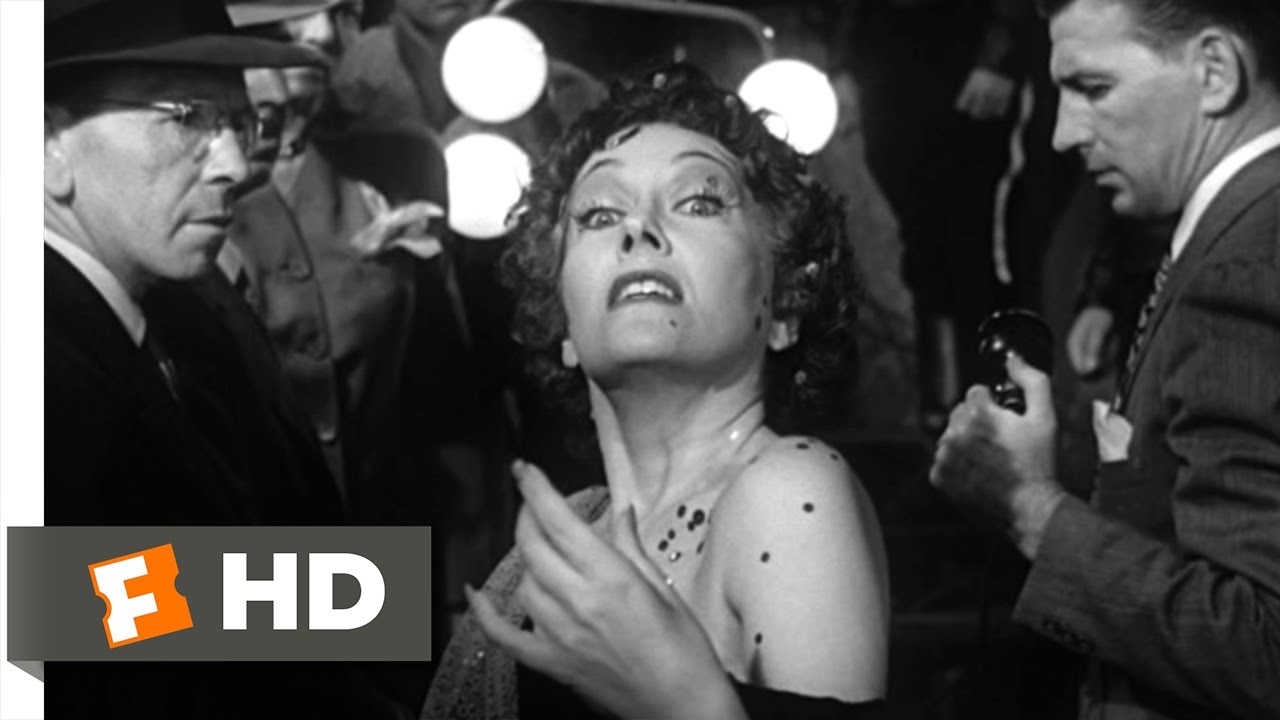
As readers, television viewers, and film goers, we are exposed to hundreds or even thousands of characters, each living in their own unique world. While most of these characters fade from our memories, some are so richly layered, well written, and expertly portrayed that they live on in our minds for years, decades, and in truly iconic instances generations. One such character is the tragic heroine of the 1950 noir masterpiece Sunset Boulevard, Norma Desmond. As portrayed by actress Gloria Swanson, Norma is a talented, unique, woman who is so consumed by her past successes that she is letting her present pass her by. While Norma’s acting career ended years before the events of Sunset Boulevard take place, she remains a truly unforgettable character who is, and always will be big.

There's no adoration like self adoration
1.      SHE IS RELATABLE: Despite the many very ugly actions that she commits, there is still something strangely endearing about Norma Desmond; her resonance within real life. Our society values youth, fame, and desirability above all else, all qualities that can only last for a limited time. As a result, many people find themselves faced with a crossroads when they reach a stage in their lives in which they have lost those attributes. This crossroads can become a full-on crises of identity for those who are unable to see beyond the shallowness of these social values, and no group is more susceptible to the pressures of these values than those whose very livelihood depend upon these superficial standards; entertainers. Even today, stars are often considered to be in their prime before they have reached their mid-twenties, and this standard is especially damning for women in the entertainment industry. While male actors such as Cary Grant and George Clooney have gone on to continue playing romantic leads well into their middle age, actresses are often reduced to cameo roles as wives and mothers who serve little function in a film’s plot. This double standard was as much in place in Norma Desmond’s heyday as it is now, making her struggle to accept the end of her all too brief career a chillingly relatable example for today’s entertainers. In an age of botox parties, TMZ, and Youtube celebrities, the desperate need for, and seemingly endless addiction to attention, youth, and temporary pleasures that fuels Norma Desmond’s descent into deluded madness remains as startlingly relevant and ominous now as it was over sixty years ago.


2.      SHE IS A TRENDSETTER:  While she is portrayed in the film as a living relic of the past, Norma has proven herself to be a groundbreaking trendsetter in the decades since the film’s original release. In the years immediately following Sunset Boulevard’s debut, a plethora of films detailing the decaying influence of Hollywood were released in an effort to capitalize upon the film’s success. While these films contained differing plots and actors they all had one thing in common; leading roles that were thinly veiled recreations of Norma Desmond. Even today, Sunset Boulevard remains consistent fuel for imitation and parody with television episodes, plays, and novels continuing to exploit the notion of a past legend trapped in their own past even today.

You can't blame Joe Gillis for not wanting to wake up next to those crazy eyes
 

3.      SHE IS SOMEONE WE COULD ALL LEARN FROM: Regardless of how mesmerizing her story is, Norma Desmond is a person that most of us shudder at the thought of imitating. Her warped tale of delusion and decadence can all be summarized by her tragic weakness; her inability to live in the present. Like Fitzgerald’s Jay Gatsby, Norma convinces herself that she can repeat the successes of her past and spends her days locked away from the world in a stubborn effort to maintain this fallacy. While her efforts are exaggerated, her motives are all too familiar, as all of us are faced with moments in which we long to escape to happier moments in our pasts. When overcome, this longing fades into mere nostalgia, but when left unchecked this same yearning can color our presents as pale imitations of an exaggerated past. While Norma’s dilemma highlights the fixation upon past successes in the entertainment industry, the tendency to measure the present unfavorably against the past is a flaw that people of all ages, occupations, and lifestyles can identify with. As a result, Norma’s tragic end remains an example of what can happen when nostalgia is followed through to an illogical extent and serves as a warning that all of us could learn from against the dangers of living in the past.

Cinema's most infamous close-up

Wednesday, June 4, 2014

5 Things We've Learned after 200 Film Reviews

Confessions of a Film Junkie:  5 We’ve Learned after 200 Film Reviews

A Joint Review by: Lauren Ennis & Brian Cotnoir

     Woo hoo!  We have officially surpassed 200 film reviews on Confessions of a Film Junkie.  You know after 200 film reviews, Miss-E and I had plenty of time to contemplate over all we’ve learned after reviewing 200 films.  So here are 5 we’ve learned after 200 film reviews.

1.)    We Love it when our favorite actors get type-casted into roles

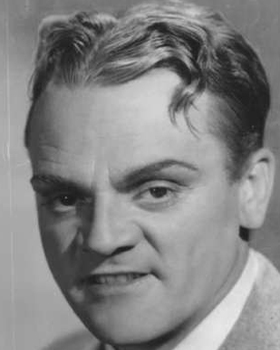
One thing that I was surprised to learn in my reviewing experience is how much I love well done type casting. While the practice of limiting actors to specific type of parts has long been lamented for the damaging effects that it can have on actors’ professional growth and overall careers, it does have its practical advantages. When an actor is cast by type it is generally because they so excel at playing that specific type of character, and can bring that character to life in a way that is more vibrant and believable than a leading player could. For instance, while horror star Vincent Price proved himself adept at stage acting and conventional leads early in his career, his foray into horror is what allowed him to truly make his mark in cinema. Similarly, although James Cagney’s true love was for the theater and ‘song and dance’ work, he remains one of the most dynamic and memorable actors in the gangster genre. After watching these actors turn in extraordinary performances in niche roles it is surprising, and sometimes disappointing, to see them in other performances that do not utilize their well known expertise. As a result, the treat of watching these actors do what they do best in a way spoils viewers and leaves them consistently wanting more of the same thrill that they have grown accustomed to. During my time as a blogger, I’ve come to recognize that I am just as guilty as any viewer of falling under the spell of Hollywood typecasting. For instance, when searching for a film that suits a season or theme I often choose films in which I know certain actors will deliver in the needed genre. For instance, when I want to review a love story or tragedy, I know that there are few actresses who can bring me to tears quite like Greta Garbo; if I need something hard boiled I’m guaranteed to find a winner in a Humphrey Bogart film; and during religious seasons I know that I can’t go wrong with a Charlton Heston epic. In viewing and reviewing, I’m come to terms with my love for the much hated practice of type casting and its double edge of use and misuse by studios and audiences.

I'm Always Scary

I'm Always the Boss
I'm Always Dreamy (no matter what role)

2.) If you give Porn a plot and a budget, you can call it “art
  
So Much for "Artistic Integrity" 
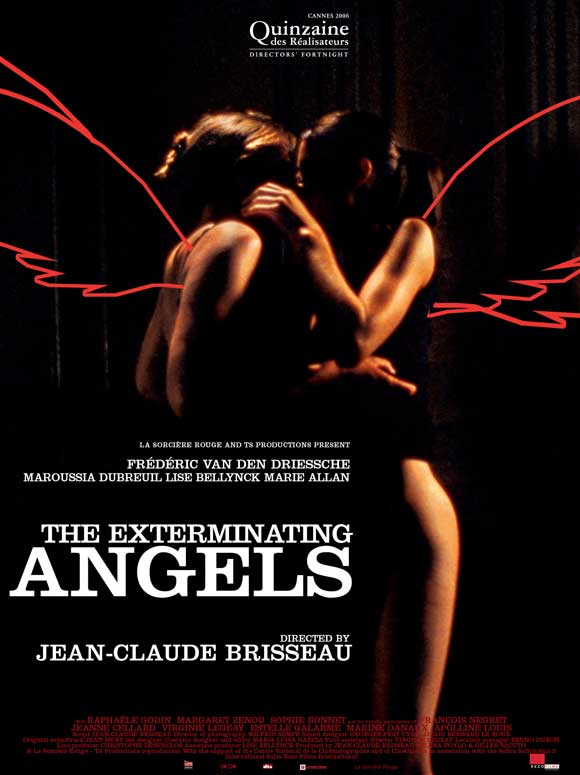
Yeah, it’s quite impressive.  If you take an adult film, set in Europe, give it a plot, and a budget.  You can call it art.  I mean just look at films like “Room in Rome”, “Blue is the Warmest Color”, “Exterminating Angles”, and pretty much most films released in France.  I’m not saying that featuring graphic sex scenes in these films makes them any less better or important, in fact some of these films have gone on to receive a lot of praise and critical acclaim.  However, there is something about a sex scene that goes on for 11 straight minutes that just seems a trifle bit unnecessary. In America when a sex scene in a film lasts more than a couple of minutes it’s called “pornography”, but since the film is set in Europe it is considered to be “Art”.  Fine, whatever, now if you’ll excuse me I think my buddies and I will crack open a couple brews, pop in a copy of “Room in Rome” and enjoy the films for its “artistic integrity”.

3.) Oscar Nominations are No indication of quality

Why Not Leo???
Another thing I was shocked to find was how poor an indication of quality the Oscars are. While I had always heard the old rumor the Academy was rigged and that only top studio players or ‘challenging’ art house films are able to take home the coveted awards, I had spent years assuming that the entire Academy couldn’t be wrong, even though I did tend to disagree with them. As time went on, however, I found that a striking number of movies that are not only favorites of mine but also beloved classics failed to win an Oscar when competing with films that have since become obscure. For example, while Laura is today considered one of the greatest film noirs and murder mysteries ever filmed, the film failed to win any awards except for Best Cinematography. Similarly, The Color Purple was nominated for eleven academy awards but failed to win a single title, while the same year the now widely panned Out of Africa swept the ceremony. There are also numerous iconic stars and crew members who have failed to attain an Academy Award despite their work in various genres and legendary films, including Cary Grant, Barbara Stanwyck, Alfred Hitchcock, and Peter O’Toole. While these icons have since gone on to claim their rightful place in cinema history, they were routinely passed over in favor of nominees who were either in the Academy’s favor, had been snubbed in the past and were promised a compensation award, or were producing more conventional fare. When examining the lengthy list of exemplary performances and films that were routinely ignored by the Academy, I was led to the conclusion that the Oscars are not only an unreliable indicator for quality, but also are all too often indicators for passing trends rather than genuine, timelessness.

4.)  You bet we love to rant

Who the HELL keeps casting Mark Wahlberg
We watch movies to be entertained.  Nobody wants to be bored while watching a movie, so if I’m tricked into watching a film by Netflix because it has a bad-a$$ DVD cover or features one of my favorite actors, you bet I’m going to rant about that film.  Why?  Because I just wasted 90-minutes of my life watching a garbage film, I can never get back those 90 minutes so I am going to b!tch, and complain, and tear a film to shreds in hopes that it will prevent people from wasting 90-minutes of their lives on a film that’s completely worthless.  And you know what, else I’ve discovered.  You people like it when we rant.  Some of our most popular posts on this blog are the reviews of the film that managed to psychologically damage me! You’re all a bunch of sadists, you know that?!  Oh well as long as you keep reading, I’ll keep writing (and putting my sanity on the line).

5.) “If the Movie Stinks Just Don’t Go”


     We both feel like Jay Sherman can some up our feelings for this last one the Best.  Thanks for your support these past 200 Reviews Everyone!

Well Said Mr. Sherman...Well Said :)

Wednesday, May 21, 2014

ANOTHER 5 Scariest Moments in Children's Films that you probably never realized were too scary for kids

ANOTHER 5 Scary Moments in Children’s films that you probably never realized were too scary for kids

By: Brian Cotnoir

     I can’t believe I’m back doing another one of these lists, but I guess I shouldn’t be too surprised. After all it’s because of you—my loyal readers—that my “Scariest Moment’s in Children’s films...” posts are among my most popular and most viewed.  So here I am once again to warn you all of scary moments in children’s films that should probably avoid letting your kids watch, until they reach a certain age.  Also be sure to click on the links at the bottom of the list to see the previous scary moments from children’s films that have made the lists.  Without further adieu here is the third installation of the “5 Scariest Moments in children’s films that you probably never realized were too scary for kids”.

#5.) Angry Aggie from “ParaNorman”

Angry Aggie from "ParaNorman"
SPOILERS!:  Agatha “Aggie” Penderghast was accused of being a witch in the town of Blythe Hollow back in the colonial days and was sentenced to death for her crimes.  However, she was not an old, evil looking woman, but rather a scared little girl who was caught up in the paranoid fear of religious zealots.  Years later Aggie’s vengeful spirit is awoken.  Aggie is angry and is now bent on destroying the town of Blythe Hollow on Halloween night.  Not to mention, that her angry spirit causes her to turn into pure lightning!  That’s pretty scary, to think that the ghost of a little girl could hold so much hate an animosity towards a town to the point where all she wants to do is destroy it. However, Angry Aggie is stopped after a chance encounter with the films hero Norman, and Aggie even gets a much over do apology from the Puritan Zombies who sentenced her to death centuries ago, so at least there’s a happy ending.

#4.) Psycho Sid from “Toy Story”

Sid Learns to "Play Nice"
If torturing small animals is the sign of a sociopath, then blowing up toys must be the sign of a...future garbage man (?).  Disney & Pixar Studios ushered in a new era of film animation with their 1995 creation of “Toy Story”.  One of those memorable characters from this film is Sid, a psychotic pre-teen boy whose favorite hobby is blowing up and torturing toys.  Sid also performs surgery on some toys creating an army of unholy toy creations.  I know a lot of people found Sid’s toy creations to be very terrifying as a child, but I honestly believe the scene where Woody and the other toys reveal they’re alive to Sid and scare him straight is even more scary.  Oh well, it was nice to see that by the third film, Sid had finally learned how to “play nice”...even though he is just a garbage man, but hey it’s a small victory at least...right?


#3.) Dead kids from “Coraline”

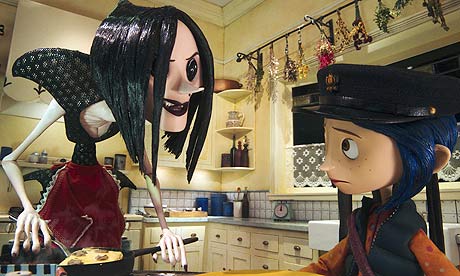
You know...for kids!
From the same director who brought us stop-motion master pieces such as “The Nightmare Before Christmas” and the cinematic adaptation of “James and the Giant Peach”, comes “Coraline”.  Adapted from the story by Neil Gaman, “Coraline” is explores a dark and macabre world of enchantment and wonder.  However, this isn’t very kid friendly or enchanting as the “Nightmare Before Christmas”, when you have to consider that there are references to eye gouging, murdering children, and not to mention that scary spider looking creature that the “other Mother” turns into.  “Coraline” is wonderfully entertaining film, but unless your kid is creepy like me when I was that age, I think it’s best if you don’t let them see this until they are a teenager.


#2.) Judge Doom from “Who Framed Roger Rabbit?”

     I’m not even going to say why this is too scary for kids, instead I’m just going to leave you with these video clips below and you will see what I mean.

For Kids?????

#1.) The Witches from “The Witches”


WTF IS THAT??!?!?!?! @_@
Oh Jim Henson.  You keep finding your way on these lists whenever I do a Top 5 of Scariest Moments in Kids Films...Well “The Witches” is based off of a Roald Dahl story (and he writes lots of creepy stories for kids), about a boy who accidentally discovers a convention of witches and he has to stop them after being turned into a mouse.  It’s only fitting that the Jim Henson workshop would create the scariest sh!t your pants mask for the Grand High Witch (played by Anjelica Houston).  She doesn’t look like an actual witch; she looks more like the cross between Zombie Vera from “Dead Alive” and a mutated Skesis from “Dark Crystal”.  I feel like I should be suing the Jim Henson Company for creating so many costumes, puppets, and images that he caused me severe trauma and childhood, and yet I have admire the craftsmanship of their work.