Friday, October 30, 2020

Classics: A Review of The Haunting of Bly Manor By Lauren Ennis

When couples marry they agree to be united 'til death do us part'; a romantic notion that takes an ominous turn in The Haunting of Bly Manor. This gothic romance explores the lengths at which we will go to be with those we love, even when that means staring into the ghostly face of death itself. Adapted from the works of Henry James, this series weaves a tapestry of interlocking tales of love, loss, regret, and redemption that is guaranteed to make your spine tingle and your heart ache. Blending real life fears with supernatural frights  The Haunting of Bly Manor crafts an intricate puzzle that is certain to haunt audiences long after its final episode is viewed.
There's no place like home...

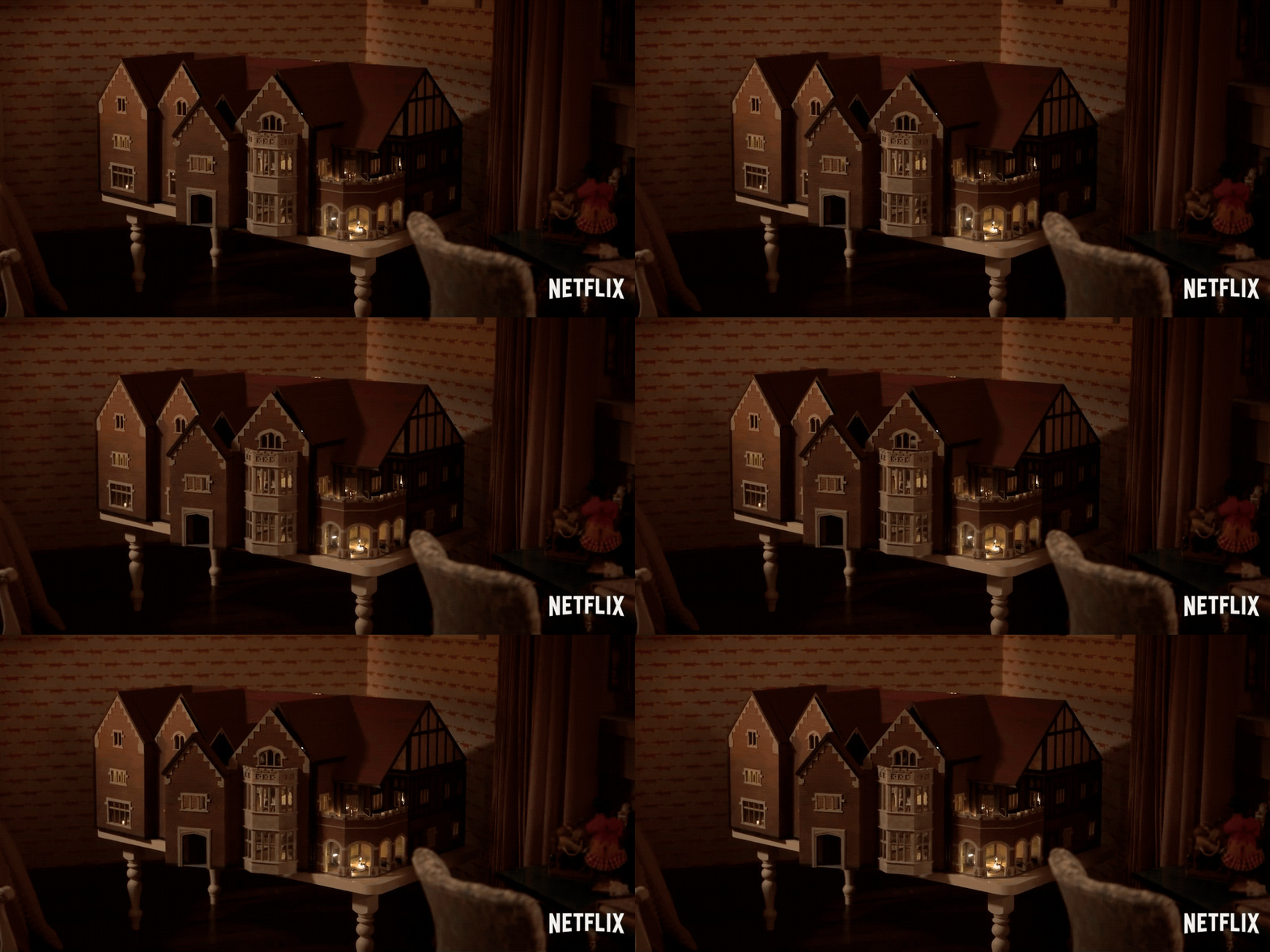
The story begins in 1987 London as American teacher Dani Clayton accepts a job working as a nanny to two young children at a sprawling country estate. In spite of the staff's warm welcome, Dani immediately senses that all is not as it appears at Bly Manor. While the children, Miles and Flora, are every bit as clever and talented as their uncle described they are also in the throes of grief after the recent loss of both their parents and their former nanny. Although the staff dismisses the siblings' unsettling behaviors as harmless coping mechanisms, Dani quickly begins to suspect that something more sinister is at play. Centuries of tragedy and trauma collide forcing each of the estate's residents to confront the darkness lurking within both the walls of Bly Manor and the confines of their own souls. 

Critics and fans alike have lamented that The Haunting of Bly Manor is not as scary as its 2018 predecessor, The Haunting of Hill House, but in my estimation, it is in many ways even scarier. While the halls of Bly Manor may not contain the obvious thrills and jump scares that seemed to wait around every corner of Hill House they do reveal something altogether more terrifying. Whereas The Haunting of Hill House used a host of gruesome ghouls as apt metaphors for childhood trauma, The Haunting of Bly Manor explores the all too real psychological horrors that we inflict upon ourselves and those we love. The series then adds another layer of terror to its proceedings by highlighting the ways in which that same pain and suffering can live on even after we die. Even as it captures the foreboding spirit of classic gothic literature The Haunting of Bly Manor pushes beyond genre limitations to explore existential questions surrounding memory, mortality, and isolation that will leave even the most self-assured of viewers pondering the ghosts in their own lives  As the series' central mystery unfolds each of its clues proves more unnerving than the last as it gradually builds to a conclusion that is nothing short of devastating. For a ghost story which is sure to haunt you long after its final credits roll be sure to pay a visit to Bly Manor.
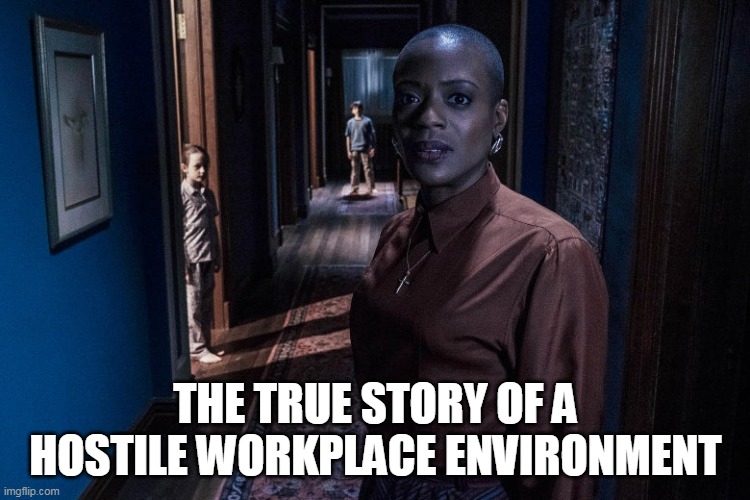

The haunted happenings at Bly Manor come to eerie life thanks to the expert work of the series' cast. The Haunting of Hill House alums Victoria Pedretti and Oliver Jackson-Cohen return in roles that could not be more different than their turns as tortured twins Nell and Luke. Pedretti infuses her performance as Dani with warmth and strength in equal measure. Jackson-Cohen conveys con-man charm and an underlying menace in his magnetic turn as valet Peter Quint. Henry Thomas also returns and outshines his performance in The Haunting of Hill House in his tormented portrayal of the children's uncle, Henry Wingrave. Tahira Sharif is nothing short of hypnotizing as the children's first nanny, Rebecca Jessel and portrays Rebecca's downward spiral with heartbreaking realism. T'Nia Miller steals each scene in which she appears as the manor's loving but haunted housekeeper, Hannah Grosse. Rahul Kohli is endlessly endearing as the manor's good natured chef, Owen Sharma. Amelia Eve infuses gruff gardener Jaime with a wit and charm that is nothing short of infectious. Amelie Bea Smith and Benjamin Evan Ainsworth both turn in star-making performances that belie their years as Flora and Miles.

Throughout the series the characters describe Bly Manor as 'a great, good, place', a description that applies equally well to the series that bears its name. Through its maze of plot twists and emotional turns of the screw the series weaves a spell which will keep viewers captivated long after they leave the grounds of Bly behind. Thanks to the expert work of its cast the series pays a heartbreaking homage to classic horror while still offering plenty of fresh chills. For viewing to die for, treat yourself to a perfectly splendid stay in The Haunting of Bly Manor.
What, me creepy?!


Saturday, October 24, 2020

Classics: A Review of Frankenweenie By Lauren Ennis


Few directors' work is as unique or instantly recognizable as that of Tim Burton. Over the course of his lengthy career his name has become synonymous with his innate ability to fuse a gothic sensibility with an infectious sense of child-like wonder. His 2012 film Frankenweenie uses the director's signature offbeat charm to relay a unique story of love, loss, and hope that is guaranteed to soften even the hardest of hearts. This Halloween curl up with your favorite furry friend and enjoy viewing that is every bit as sweet and spooky as a night of trick-or-treating with Frankenweenie.

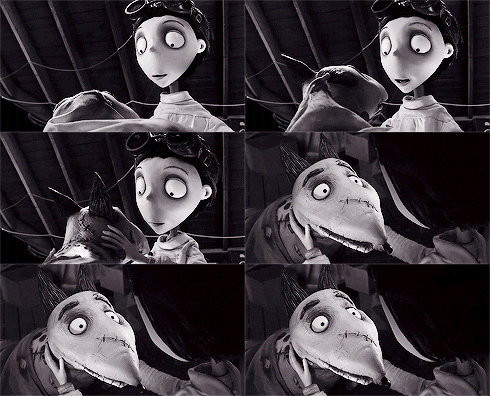
It's alive!!

The story begins with young Victor showing his parents his latest labor of love; a home made monster movie starring his dog, Sparky. While introverted Victor is all too happy to devote his time to Sparky and his hobbies, his parents become concerned that he needs to spend more time with his classmates. In an effort to help him make friends, Victor's parents encourage him to play baseball with the neighborhood kids. Tragedy strikes, however, when Victor hits a home run only for Sparky to chase the ball into the street and in front of an oncoming car. Sparky is killed instantly, and devastated Victor spirals into a deep depression. Fate intervenes, however, when Victor's science teacher gives a lesson on electricity's ability to reanimate muscles. He then takes inspiration from his famous namesake and conducts an experiment that revives Sparky. The duo's happy reunion is threatened, however, when Victor's classmates discover Sparky's resurrection and scheme to use his discovery to conduct their own experiments at the upcoming school science fair. When his classmates' experiments go dangerously awry its up to Victor to save the day all while keeping Sparky's secret safe.

This classic tale of a boy and his dog showcases a goodhearted ghoulishness that is guaranteed to appeal to kids and adults alike. The film's off-kilter visuals place Burton's penchant for the weird and whimsical on full display while the sincere script ensures that viewers will be rooting for its oddball heroes every step of the way. The film's blend of style and substance strikes an ideal balance with enough quirky visuals and gothic references to satisfy even the most devoted of the director's fans while the universal tale of love and loss is sure to win over even the most skeptical of critics. Despite its macabre atmosphere and abundance of PG chills Frankenweenie is a film with a tender and beating heart that sets it apart from Burton's more recent, lackluster, efforts. At one point Victor's teacher says that experiments have the best results when there is love behind them; it's evident with every frame that Frankenweenie was created as a labor of love and the film is all the better for it.

Is there a vet in the house?!

The surreal story rampages off of the screen thanks to the film's dazzling animation and engaging voice performances. The black and white cinematography adds to the eerie atmosphere and the expert use of light and shadow lends a spooky quality to the shadows lurking around every corner. The character designs recall the illustrations of Burton favorite Edward Gorey and nods to such horror classics as Frankenstein, Godzilla, and Nosferatu. The voice performances bring the film's array of offbeat characters to life with humor, emotion, and depth. Standout performances include Charlie Tahan as grief stricken Victor, Winona Ryder as his morbid neighbor, Elsa, Martin Landau as his eccentric science teacher, and Catherine O'Hara in dual roles as Victor's mother and his unusual classmate known only as 'Weird Girl'.

Equal parts creepy and cuddly Frankenweenie is must see Halloween viewing. The animation is a feast for the eyes and the script is certain to break your heart only to stitch it back together again. The film combines the best elements of vintage Burton to create an original masterpiece that will appeal to the whole family. For viewing that is simply to die for join Victor and Sparky in Frankenweenie.

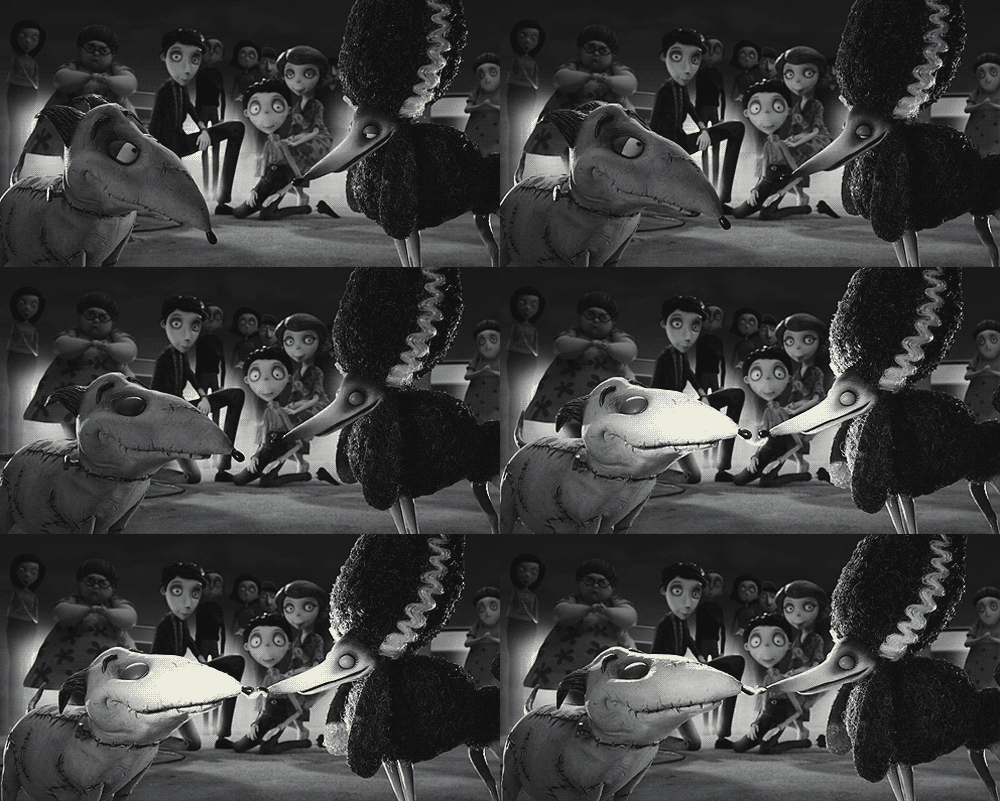
Now that is what I call chemistry!


Tuesday, October 6, 2020

Classics: Miyagi Knows Best: Three Life Lessons From The Karate Kid By Lauren Ennis

 In the summer of 1984 a kid from New Jersey met a handyman from Okinawa and movie magic was made. Much like its unassuming hero, the deceptively simple coming of age tale The Karate Kid is one of cinema's greatest underdogs. With two film sequels, one Oscar nomination, endless quotable lines and now a hit Netflix spinoff this surprise hit remains the best around thirty-six years after its initial release. While the film is best remembered for launching Ralph Macchio's status as an 80's icon and popularizing karate in the United States, it is the film's characters that ensure its continued resonance. By far the most memorable and inspiring of the film's characters is Mr. Miyagi, whose lessons proved vital not only in karate, but also in life. This week I'll be turning the spotlight on Mr. Miyagi and three of his greatest lessons.


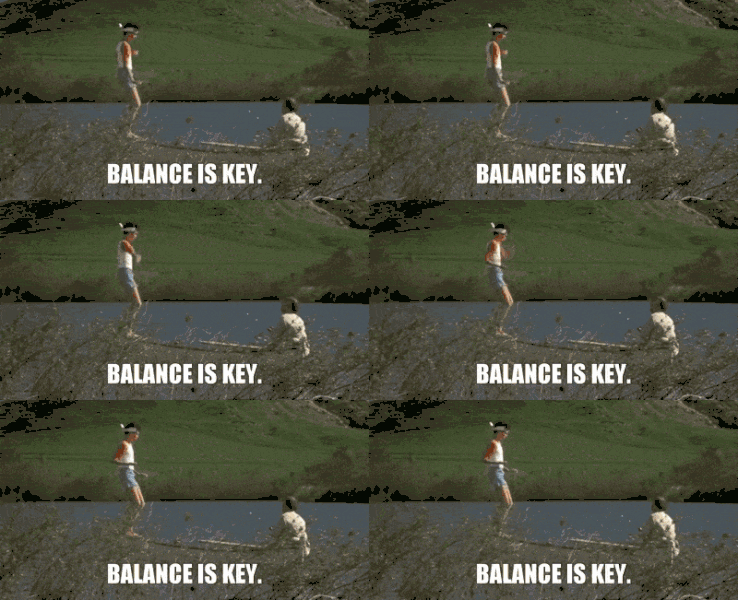
Balance is Key: Mr. Miyagi's first lesson for Daniel is "Learn balance. Balance good, karate good, everything good. Balance bad might as well pack up, go home". Given the fact that balance is the foundation of martial arts and many other sports, Mr. Miyagi's advice seems fairly straightforward. As the story progresses, however, it becomes apparent that the balance that he is referring to is not merely physical but also an emotional, spiritual, and philosophical state of being. At the film's start Daniel's entire being is thrown out of balance when he moves across the country and is forced to start a new life in California. Despite his best efforts to adjust to his new school he quickly finds himself targeted by bullies led by Cobra Kai's top karate student, Johnny. The constant harassment leads Daniel to retreat from his social life and avoid his classmates as his existence becomes reduced to a struggle to survive one day to the next. It is only when he begins training with Mr. Miyagi and reevaluating his perspective that Daniel finally begins to regain his sense of balance as he steadily gains confidence and reclaims his sense of self. By the film's conclusion Daniel has finally achieved a balanced life after making a true friend, embarking upon a healthy romantic relationship, and finding a lifelong passion. It is this achievement rather than his famous crane kick that ensures that he is already a winner even before he steps onto the tournament mat. Next time that you feel like life's throwing you off of your game take a deep breath and remember, "Lesson not just karate only. Lesson for whole life. Whole life have a balance. Everything be better"


More Mercy: The motto of the notoriously ruthless Cobra Kai dojo is "Strike hard, strike fast, no mercy". While this philosophy may ensure that Cobra Kai's students are victorious on the mat Mr. Miyagi reminds Daniel that such a victory is hollow at best. At the start of The Karate Kid II Daniel and Mr. Miyagi witness Johnny's sensei, John Kreese, viciously beating Johnny as punishment for only earning second place in the tournament. After Mr. Miyagi intervenes on Johnny's behalf Kreese attacks Mr. Miyagi only to realize that he is outmatched. Before he can deliver a lethal blow, however, Mr. Miyagi releases Kreese with a warning. When Daniel asks why Mr. Miyagi let Kreese go Mr. Miyagi replies, "For person with no forgiveness in heart living worse punishment than death". This quote accurately summarizes how Kreese's 'no mercy' philosophy has destroyed his humanity and reduced him to an existence defined by anger and bitterness. This is further highlighted in The Karate Kid III when Kreese is later revealed to have become consumed by a vengeful obsession with Daniel and Mr. Miyagi after he loses his students, business, and reputation following his attack on Johnny.

The value of forgiveness is shown in The Karate Kid II when Daniel and Mr. Miyagi travel to Japan and encounter Mr. Miyagi's best friend turned embittered enemy, Sato. After Sato's betrothed, Yukea, ended their engagement to pursue a relationship with Mr. Miyagi Sato refused to forgive either of them, and lost two of the most important people in his life. Despite achieving wealth and power decades later, Sato continues to dwell upon his past and has become a hardened shell of a man. When Sato is injured during a typhoon Mr. Miyagi sets their differences aside and risks his own life to rescue his former friend. This selfless act allows both men to make peace with their pasts and transforms Sato, who is finally able to move forward with his life. The next time that someone deals you a low blow choose the higher path; in a world full of Sato's and Kreese's be a Miyagi.  

Never Let Your Fears Defeat You: Over the course of the franchise Daniel faces an array of opponents, but none of those opponents is more dangerous than his own fear. In The Karate Kid III, Kreese enlists the aid of ruthless karate champion Mike Barnes in finally exacting his revenge upon Daniel. After enduring Mike's relentless tormenting Daniel loses his confidence both on and off of the mat. During their final tournament fight Mike viciously attacks Daniel both physically and mentally. After suffering an injury Daniel nearly surrenders and tells Mr. Miyagi, "I just want to go home...I'm afraid of him, okay. I'm afraid". Mr. Miyagi then reminds Daniel that while he will inevitably lose to some opponents he must never lose to his own fear. It is then that Daniel regains his confidence just in time to win the match.

Mr. Miyagi's advice echoes Franklin Delano Roosevelt's famous speech upon his election at the height of the Great Depression in which he advised the American people that "the only thing we have to fear is fear itself". When President Roosevelt made this speech he was not denying the reality of the Depression, but instead reminding the country of the importance of continuing to fight even in the face of unprecedented adversity. Whether facing a national crisis, entering a sports tournament, conducting a job interview, or asking out a crush the surest ways to guarantee that we do not succeed are quitting and failing to try in the first place. In life we will inevitably face adversaries and obstacles that will defeat us, but we are only defeated by fear if we allow ourselves to be. Bravery does not mean never being scared, it means carrying on even we are at our most intimidated. Whenever you find yourself confronted with your own fear face it head on and remember that whether you win or lose you'll still have earned a victory just by trying.


Saturday, September 26, 2020

Classics: A Review of Broadchurch By Lauren Ennis

The words 'small town' immediately bring images of hearth, home, and family to mind; unless of course the small town in question is the English suburb of Broadchurch. From 2013 to 2016 viewers spent three seasons among the citizens of this seemingly sleepy town and uncovered a web of secrecy, betrayal, and loss lying just beneath its picturesque surface. What begins as a murder mystery quickly spirals into a journey into the darkest depths of humanity as neighbors, friends, and families find themselves confronted with evil in their midst. Thought provoking, heart breaking, pulse pounding, and impossible to predict, Broadchurch is more than just a first rate crime drama, it's an eerie reflection of the darkest places within both our communities and ourselves.


 The story begins with the calm of suburban life shattered when the body of eleven year old Danny Latimer is found on a beach in Broadchurch. The disturbing discovery turns sinister when local police determine that Danny's death was not a tragic accident, but murder. An investigation is quickly launched with local detective Ellie Miller and her recently arrived boss, Alec Hardy, forming a reluctant team. At first, the two clash as Miller refuses to consider that any of her friends or neighbors could be suspects while Hardy views each of the town's residents with suspicion. As the investigation unfolds, however, it becomes clear that all is not as it appears in Broadchurch and not everyone is who they appear to be.

Broadchurch elevates the modern crime drama to new heights as it expands its scope beyond the crime itself to chronicle its devastating impact. The series deftly portrays the ways in which tragedy upends an entire community and pits it against itself as the police conflict with the press, neighbors clash with one another, and even families begin to question their loyalties. The depiction of the Latimer family as they journey through the anguish of grief is nothing short of wrenching and serves as an apt reminder of the void that remains long after a crime is solved. Although the series is structured as a murder mystery at its heart it is a character study, and therein lies its strength.  Broadchurch focuses less on action than reaction as it gradually unfolds and reveals fresh insight into each of the town's troubled residents with every new clue. In this way, the series ensures that viewers will invest in and empathize with each member of the ensemble cast and highlights the ways in which the effects of a crime ricochet throughout a community. Even as viewers learn more about the diverse cast of characters, however, the central mystery remains just out of reach and leaves viewers guessing until the final, devastating, reveal. Through its expert writing and superb performances Broadchurch is guaranteed to leave viewers nearly as haunted as its residents.


The story leaps off of the screen thanks to the work of its brilliant cast. Carolyn Pickles, Jonathan Bailey, and Vicky McClure lend depth and humor to their roles as local journalists Maggie, Olly, and Karen while aptly highlighting the ways in which ambition can cloud even the best reporter's judgment. Charlotte Beaumont and Adam Wilson tackle their roles with a raw emotion that belies their young ages as they depict the conflicting emotions of Danny's best friend and sister. Pauline Quirk and Joe Sims lend intrigue, dry wit, and menace to their performances as local recluse Susan and family friend Nige. Arthur Darville conveys warmth and empathy as Broadchurch's vicar. David Bradley perfectly balances newsstand owner Jack's gruff exterior with his inner torment. Matthew Gravelle infuses his performance as Ellie's husband with depth, intelligence, and charm. Jodi Whittaker and Andrew Buchan are perfectly cast as Danny's parents and portray the couple's descent into grief with a realism that is nothing short of haunting. Even in the midst of the talented ensemble cast, however, David Tennet and Olivia Colman shine as Detectives Miller and Hardy. Tennet's socially inept but professionally brilliant Hardy and Colman's ambitious but idealistic Miller act as ideal foils to one another and are guaranteed to go down as one of the best crime duos in television history.

Through its unflinching portrayal of a murder and the destruction left in its wake Broachurch sets itself apart as a crime drama with both a mind and an aching heart. Through its skillfully written script the series transports viewers into both the modern English suburbs and the universal depths of human nature. The nuanced performances bring each of the series' complex characters to such vivid life that they are certain to remain on viewers' minds long after all of their secrets are revealed. For unforgettable viewing pay a visit to Broadchurch.


Saturday, September 12, 2020

Classics: A Review of My Brilliant Friend the Story of a New Name By Lauren Ennis

In 2018 viewers were introduced to Lila and Elena, two girls living in the slums of post-war Naples but dreaming of something more, and a beautiful friendship was born. After watching the girls struggle against the poverty, violence, and corruption that ran rampant in their neighborhood for one season audiences were left begging for more. This year, HBO released the second installment in the series and viewers were treated to a season that is every bit as compelling, inspiring, heartbreaking and addictive as its predecessor. In this second outing My Brilliant Friend continues to more than live up to it's title.

Partners in crime


The story resumes almost immediately where the first season ended during Lila's wedding to mob connected businessman Stefano Carracci. At the second season's start Lila seems to have finally escaped the violence and limitations of life in Naples' slums. Meanwhile, Elena strives to reconcile the restrictive expectations of her family and boyfriend with her dreams of life beyond the dusty streets of the neighborhood. As the story unfolds, however, Lila's marriage spirals into domestic violence and it becomes apparent that despite her best efforts she has trapped herself in a gilded cage. While Lila faces the bitter reality of her new life Elena copes with her own growing pains as she finds herself alienated from both her wealthy new classmates and her friends still struggling in the neighborhood. Stifled by an existence that seems to be closing in all around her, Lila rebels against her husband, her family, and even neighborhood bosses the Solaras with fateful consequences. As the two girls try to maneuver an increasingly changing society from opposite sides of the social spectrum they find themselves fighting for their futures even as they attempt to hold onto their fading childhood bond.

This installment brings Elena Ferrante's second novel in the Neapolitan novels series, The Story of a New Name, to vibrant life as follows its heroines through the exhilaration and pain of young adulthood. Both girls continue to search for a better future as Lila seeks an escape from the neighborhood while Elena pursues her academic dream. The ways in which their lives diverge highlights the fact that regardless of their own efforts, they (much like Naples itself) are both still living with the consequences of the decisions made in their pasts. The most crucial of these decisions, whether or not they would be permitted to attend middle school, carries particular poignancy as we approach the start of another school year. It is this decision, over which neither Lila nor Elena had control, that ultimately set Elena on the path towards success while Lila remained caught in the neighborhood's cycle of violence and poverty. Even at its most bleak, however, the series continues to offer a glimmer of hope as both Elena and Lila approach their tumultuous lives in a changing city with an ingenuity and grit that is nothing short of brilliant.

Three is always a crowd...


Through the outstanding work of its cast the series transports viewers back to Ferrante's Naples as it stands on the brink of change. Elvis Esposito and Alessio Gallo continue to exude smarmy charm and menace as Marcello and Michel Solara. Christian Giroso turns in a raw performance in his portrayal of Elena's boyfriend, Antonio's, descent into mental illness. Gennaro De Stefano lends depth and complexity to his portrayal of Lila's hapless brother, Rino. Ulrike Migliarisi and Federica Sollazzo personify female repression in their performances as Ada and Pennuccia. Giovanni Amura's by turns brutal and pathetic portrayal of Stefano ensures that his character is more than just a cardboard villain. Emanuele Valenti infuses predatory Donato Sarratore with a mix of suave and sleaze. Francesco Serpico balances boyish charm with haughtiness as local heartthrob Nino. Matteo Cecchi is delightfully endearing as Elena's classmate and eventual fiance, Pietro. Margherita Mazzucco aptly portrays Elena's transition from awkward adolescent to empowered adult and adds a fascinating layer of moral ambiguity to her performance. Gaia Girace dominates every frame in which she appears in her explosive turn as the magnetic Lila and conveys Lila's dizzying highs and devastating lows with equal aplomb.

In it's second season My Brilliant Friend follows the next chapter in the lives of Elena Greco and Lila Cerullo and is guaranteed to leave viewers anxiously awaiting its next installment. Through its stellar performances and captivating script season two brings Ferrante's The Story of a New Name to vivid life as it transports viewers to the grit and glamour of 1960's Naples. For some of the best writing and acting to grace the small screen join Elena and Lila on the streets of Naples for a story that you won't soon forget.


Tuesday, August 18, 2020

Classics: A Review of You Don't Mess With the Zohan By Lauren Ennis

Lately it seems as though we have more dividing us than we have uniting us. In these chaotic times its a comfort to know that there is a hero who can give us something to believe in, something to bond over, and best of all something to run our fingers through. 2008's comedy You Don't Mess with the Zohan follows an elite counter terrorism agent as he leaves the conflicts of the Middle East behind to pursue his lifelong dream of becoming a hair stylist. Along the way he learns vital lessons in life and love and realizes that with the right look and the right attitude you can overcome even a centuries old international conflict.


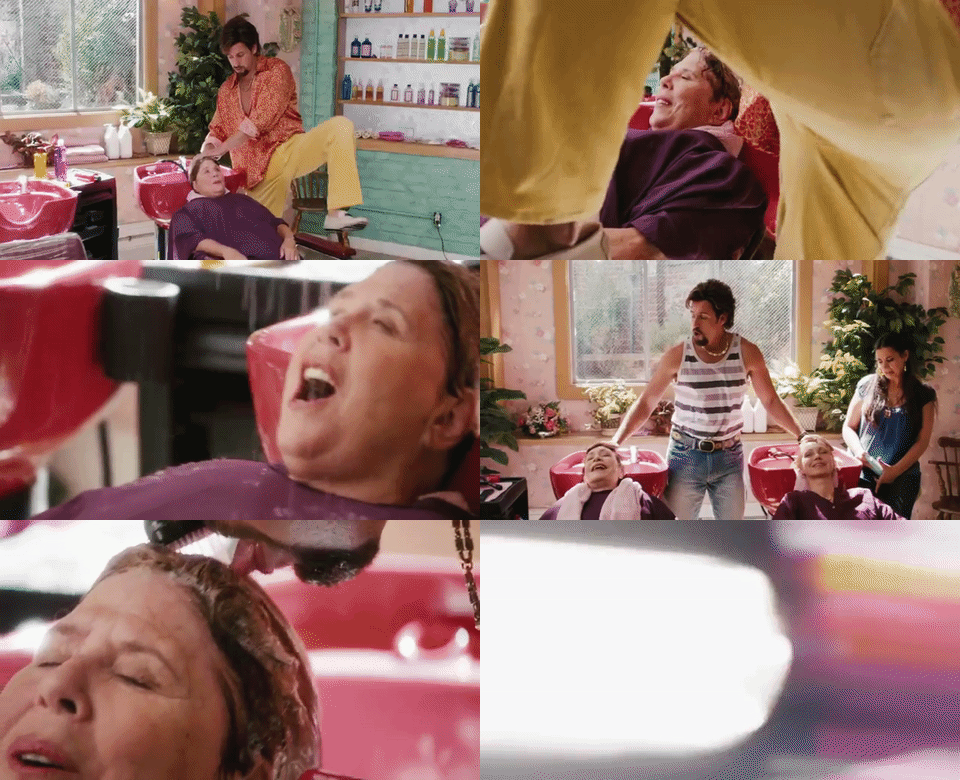
The story begins with the Mossad's greatest agent, Zohan, trying to enjoy a well earned vacation. Fate intervenes, however, when his superiors call him back to intelligence headquarters and enlist his help in stopping his arch enemy, the notorious terrorist known as the Phantom. Despite his renowned success as an intelligence agent, Zohan longs for a life in which he can create rather than destroy, and bring people joy and connection  rather than retribution and division. In short, he longs to become a hair stylist. He then defies both his parents and his superiors when he fakes his own death during an encounter with the Phantom and stows away on a flight to New York City. He then reinvents himself as a successful hair stylist specializing in 'happy ending' haircuts for his elderly female clientele. Just when he thinks that he has finally escaped from the conflicts of his homeland, however, his budding romance with a Palestinian-American salon owner and a chance encounter with the Phantom place the future of his new life and that of the free world in jeopardy.

It's not just a hairstyle; it's an experience


This offbeat tale utilizes Adam Sandler's signature humor in a satire that manages to raise vital questions about prejudice and politics without missing a single comedic beat. The film originally utilizes a humorous approach to  the the sensitive topic of the ongoing conflicts in the Middle East. While this tactic easily could have veered into bad taste or heavy handedness the cast and script gently use comedy to aptly highlight the absurdity of the prejudices fueling these conflicts. The film may not offer the complex solutions that have been sought for generations, but it does offer something vital; hope. Through its irreverent tale of enemies learning to put their politics aside and see each other as people the film asks how much better we, and in turn the world we live in, would be if we could all try to do the same. For an optimistic antidote to the current political climate hop into the stylist's chair and have a laugh with You Don't Mess With the Zohan.

The film's wonderfully whimsical story comes to vibrant life thanks to the work of its cast. John Turturro and Rob Schneider are delightfully diabolical as Zohan's adversaries the Phantom and Salim. Nick Swardson and Lainie Kazan make for an endearing comedic duo as the quirky mother and son who host Zohan in New York. Ido Mosseri lends a riotous turn as Zohan's best friend and fellow Mossad agent, Oori. Emmanuelle Chriqui infuses her role as Zohan's boss and love interest, Dalia, with warmth and infectious charm. Even in the midst of the film's talented cast, Adam Sandler dominates every frame in his by turns outrageous, suave, action-packed, and heartfelt performance as the incomparable Zohan.

This laugh out loud comedy relays timeless messages in tolerance that could not be more timely. The film's outrageous script mixes political satire with slapstick to create a crowd pleasing comedy. The film's cast bring the script to life in all of its whimsy with an enthusiasm that is guaranteed to leave viewers smiling after the credits roll. For guaranteed feel good viewing remember, You Don't Mess With the Zohan.

It truly is a beautiful life


Saturday, August 15, 2020

Classics: A Review of A Face in the Crowd By Lauren Ennis

 Manipulation, exploitation, misinformation, and ratings are all in a day's work for a major television network. While today's tailspin of media  madness may seem unique to our times, the media's tendency to twist reality towards better ratings was scathingly brought to the screen over sixty years ago in 1957's A Face in the Crowd. The film follows a charismatic con-man who, with the help of a radio talent scout, becomes an unlikely overnight radio and later television sensation and eventual political phenomenon. The film's portrayal of the off-screen machinations behind the on-screen image has never lost its relevance, and in today's media melee is nothing short of news-worthy.

A star is born


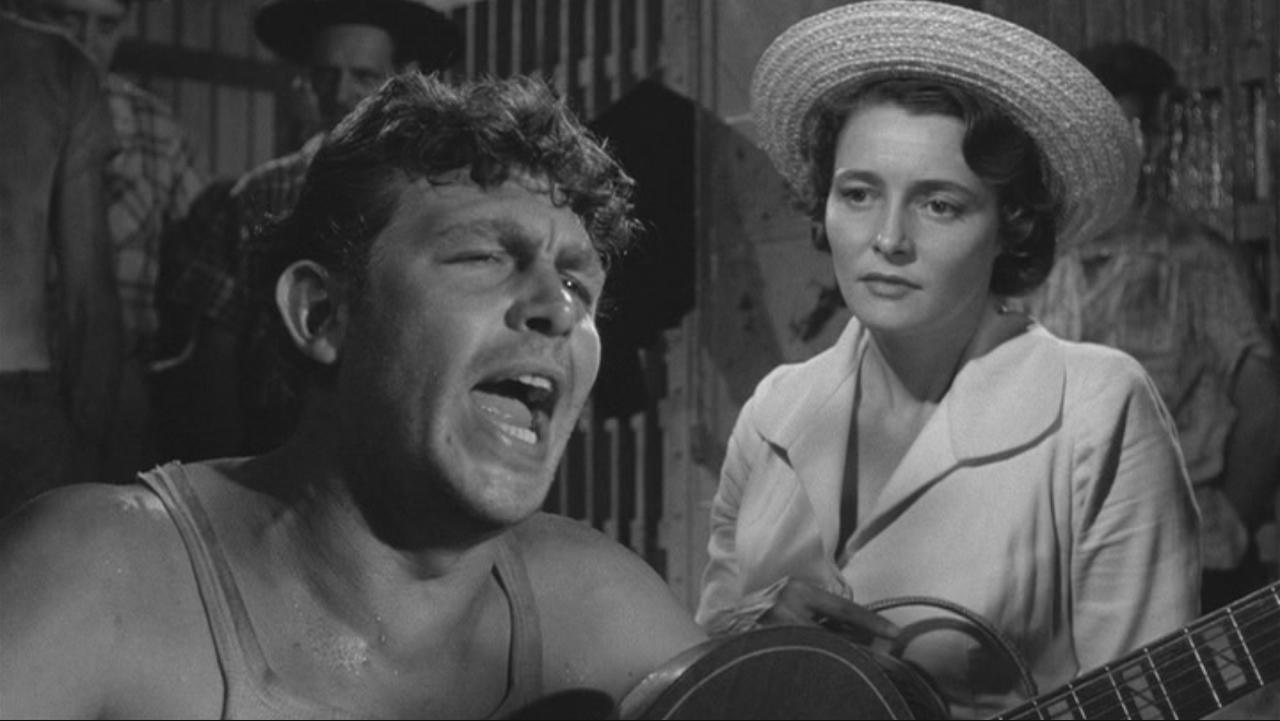
The film begins with radio journalist Marcia Jeffries (Patricia Neal) traveling to an Arkansas jail for a segment on her show 'A Face in the Crowd'. While recording the session she asks one of the prisoners, alcoholic drifter Larry Rhodes (Andy Griffith), to perform a song for her audience. Rhodes' combination of musical talent, folksy humor, and charisma immediately earn her attention and she quickly sets to work making him her station's latest star. Rechristened 'Lonesome Rhodes', volatile Rhodes becomes a radio sensation and soon finds himself catapulted onto the small screen and even tempted with an offer to enter the political arena. As his professional star rises so too does his ambition, leaving Marcia to wonder if the small screen hero she created might have become a real life monster.

Upon its initial release the film received mixed reviews. In the decades since, however, the film's predictions regarding the pervasive influence of modern media have proved to be uncannily prescient. At one point in the film Rhodes says "I'm not just an entertainer. I'm an influencer, a wielder of opinion, a force", a statement that bears eerie relevance during an era in which public opinion is molded by social media 'influencers'. Over the course of the film both Rhodes and the media machine surrounding him launch more than just an entertainment phenomenon as they utilize his image to create a social and political movement. In this way the film mirrors the ways in which both traditional and social media have either created or furthered many of today's social and political movements. Rhodes' inevitable corruption similarly reflects the ways in which countless media figures have abused their influence to create false and even harmful public narratives. The film's unforgettable finale in which he inadvertently reveals his disdain for his fan base whom who dismisses as "sheep" and "trained seals" scathingly portrays the contempt that all too many media figures have shown for the very public whom they claim to serve. Few films capture the corruption and manipulation of modern media as aptly or entertainingly as A Face in the Crowd.

We're a long way from Mayberry


The film's biting tale of fame, fortune, and their inevitable fallout is brilliantly realized by its cast. In her film debut Lee Remick turns on the charm in her sultry turn as Rhodes' teenage bride. Walter Matthau aptly personifies the film's conscience as the cynical writer who sees through Rhodes' folksy persona. Patricia Neal turns in one of her best performances as she alternates between Marcia's professional confidence and personal vulnerability. Andy Griffith is nothing short of a force of nature in his big-screen debut and strikes all the right notes as flamboyant, explosive, and magnetic Rhodes.

At once apt social commentary upon its own era and an eerie warning for the future A Face in the Crowd is easily one of the most damning depictions of the media ever put to celluloid.  While it may not have received recognition upon its release its relevance has grown more pertinent with each passing decade. Through its razor sharp writing and dynamic performances the film turns a glaring spotlight on mass media and highlights the potential dangers of popular culture's influence upon public perception. Join Lonesome Rhodes for a look at the ugly workings behind the pretty faces on our screens in A Face in the Crowd.

Very fake news...