Wednesday, December 25, 2024

Classics: A Review of The Land Before Time By Lauren Ennis

 For nearly a century Wald Disney Studios has dominated Western animation. The mighty Disney was nearly toppled from its throne, however, when one of its own animators went rogue and opened his own studio. Between 1982 and 2000 Don Bluth and his team of animators released a series of films that rivalled even the best of Disney and defined family entertainment for a generation. One of his most beloved films is 1988's The Land Before Time. At once a harrowing hero's journey and a heartfelt ode to the power of friendship The Land Before Time remains a timeless classic that the whole family will enjoy.

"Let your heart guide you. It whispers, so listen closely"

The story begins in the age of the dinosaurs . When a famine strikes the land the dinosaur herds are forced to journey in search of food. Along the way an earthquake occurs which scatters the herds across the landscape. In the ensuing chaos Littlefoot, Cera, Ducky, Petri, and Spike are separated from their families. The five unlikely friends then band together and set off in search of the fabled Great Valley, where there is enough food to sustain all of the herds. The quintet's journey proves to be one of tragedy, friendship, and triumph the likes of which animation was made for.

Over thirty years after its release The Land Before Time remains classic family entertainment. The film takes viewers on a mesmerizing journey into the distant past while exploring universal themes. The dinosaur diaspora depicted in the film recalls mass migrations throughout history and aptly conveys the harrowing struggles of the refugee experience. The film's unflinching depiction of loss earns particular note as it portrays the various stages of Littlefoot's grief with aching accuracy. Even in the midst of its weighty themes the film maintains an optimistic outlook as its characters carry on even in the face of daunting obstacles. The film also offers lessons in friendship that will resonate with children and adults alike. The script additionally offers vital messages against prejudice without becoming heavy-handed or resorting to lecturing. Even as it contemplates larger issues the film never forgets that it is at its core an adventure story as it takes viewers on an epic journey for the whole family. Discover the timelessness of The Land Before Time.
The animation transports viewers to the beauty and danger of the prehistoric world while the vocal performances bring the characters to vibrant life. The scenery captures the awe inspiring of majesty of a land lost to time. The character designs aptly depict various dinosaur species while still infusing each individual character with personality and expression. The film's young actors turn in some of the most memorable performances in modern animation. Helen Shaver is certain to soften even the hardest of hearts in her by turns heart-warming and heartbreaking portrayal of Littlefoot's mother. Will Ryan lends apt comedic relief as neurotic but loveable Petrie. Candace Huston perfectly balances Cera's proud exterior with inner vulnerability. Judith Barsi steals each scene in which she appears as Duckie, leaving viewers wondering what her career could have been had it not been tragically cut short. Gabriel Dunn effectively leads the cast as he portrays Littlefoot's journey with a nuance and raw emotion rarely found in child performances.

In just seventy minutes The Land Before Time makes the case for the magic of Don Bluth's animation. the script combines the classic hero's journey with vital lessons in resilience and friendship to relate a compelling drama for all ages. The vibrant vocal performances and dazzling animation transport viewers to the majesty of the prehistoric world. For a truly timeless adventure explore The Land Before Time.

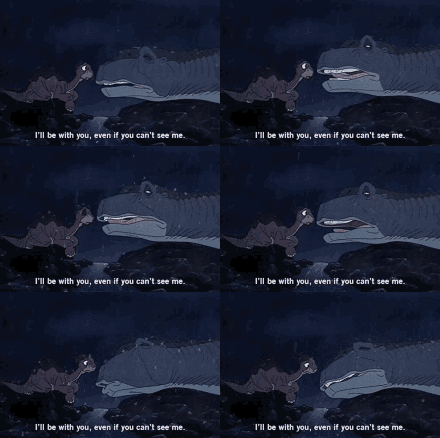
"We'll be okay as long as we stick together"


Thursday, December 5, 2024

Classics: A Review of Klaus By Lauren Ennis

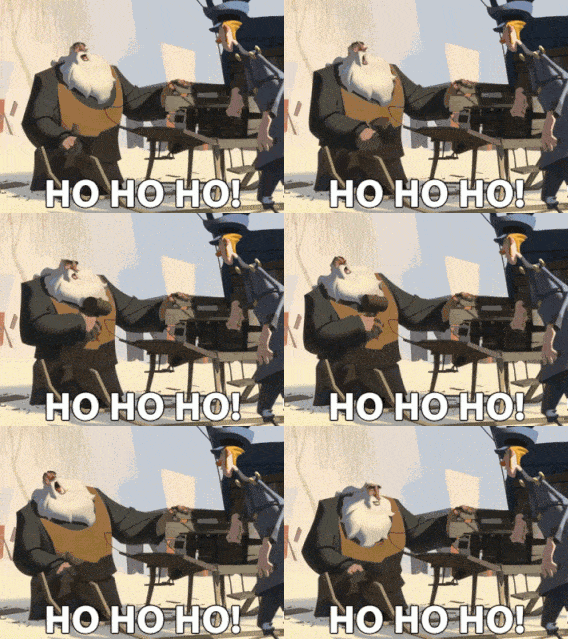
 "Isn't there anyone who knows what Christmas is all about?!" Charlie Brown famously asked in his 1965 television special. In an era dominated by cynicism and consumerism it can be all too easy to become swept up in the holiday hustle and forget what the celebration is all about. Thankfully even in our increasingly commercialized culture thee are still a few stories to remind us. One of those films is 2019's animated adventure Klaus. At once a boldly original take on the legend of Santa Claus and a return to the artistry of classic animation Klaus is nothing short of a modern masterpiece. This year have yourself a merry little Christmas with the magic and wonder of Klaus.

The story begins in nineteenth century Norway with the Royal Postmaster General enrolling his wayward son, Jesper, into the Postman Academy. When the academy proves no match the antics of spoiled, entitled, and lazy Jesper he is soon punished with being reassigned to the distant town of Smeerensberg. He is given one year to establish a post office and post six-thousand letters or else be disinherited from his family's fortune. If the town's isolated location and frigid climate weren't discouraging enough he is soon dismayed to learn that Smeerensburg has fallen into domestic chaos. The town is dominated by a a feud between two warring clans, the Ellingboes and the Krums. The feud has so consumed the local population that they have neglected their economy, infrastructure, and children, leaving the town as little more than a wasteland. The prospect of posting six thousand letters in the largely illiterate hamlet seems nothing short of impossible. After a chance meeting with a reclusive yin the nearby forest, however, Jesper concocts a scheme to post the letters that just might change the lives of the children of Smeerensburg and the world forever.

In its brief run time Klaus manages to do the impossible; invigorate the tired holiday film genre with new life. Rather than retreading familiar tropes the film inverts audience expectations while still remaining true to the spirit of Santa. For example, Klaus begins the film more closely resembling Boo Radley than Kris Kringle. Even as this depiction diverges from popular depictions of Santa, however, Klaus' journey from wounded recluse to selfless good Samaritan perfectly encapsulates the meaning of Christmas. Similarly, entitled, sarcastic, and selfish Jesper is perhaps the most unlikely of holiday heroes. As he becomes part of the community of Smeerensburg and forges an surprising friendship with Klaus, however, he grows into as good a man and as good a friend as Smeerensburg knew. Through its wildly different protagonists the film takes viewers on a fresh adventure while still serving as an apt reminder of the spirit of the season. This approach extends beyond the film's central duo to such beloved aspects of Santa's legend as flying reindeer, chimney travels, and naughty lists. The film wisely includes these classic tropes but presents them with just enough of a twist to keep viewers what awaits next. The film expertly blends holiday fantasy with real life lessons in friendship, loss and selflessness to create a compelling story that will resonate throughout the year.

The film brings Smeerensburg and all of its colorful residents to hilarious and heartfelt life thanks to the work of its star studded cast. Joan Cusack and Will Sasso expertly balance slapstick and sinister as the heads of the Krum and Ellingboe clans. Neda Margrette Labba proves that an endearing performance can cross even language barriers as Margu, the Sami girl who befriends Jesper. Norm MacDonald shows off his signature dry wit as sarcastic ferryman Mogens. Rashida Jones infuses Jesper's unlikely love interest teacher turned fish-monger Alva with sass and charm. Even in the midst of apt supporting performances the film belongs to Jason Schwartzman and J.K. Simmons a unlikely duo Jesper and Klaus. Schwartzman imbues Jesper with a snark worthy of David Space with just enough roguish charm to ensure that viewers still root for him. Simmons portrays Klaus' evolution from grief stricken recluse to the unlikely pillar of the community with a depth and nuance rarely seen in modern dramas, let alone family entertainment. Together, the pair form what is truly beautiful friendship. The film brings its adventure to enchanting life through traditional 2D animation that is nothing short of stunning. The designs infuse each of the characters with unique flair while the backgrounds transport viewers to a winter wonderland. Together, the cast and animation weave a modern fairytale guaranteed to delight the young and young at heart. 

Blending the classic and the contemporary Klaus proves to be one of the most original and memorable films in family entertainment. the superb script expertly balances sly humor with sincere emotion for viewing that will warm your heart on even the coldest of winter nights. The combination of vocal performances and animation casts a spell that is nothing short of movie magic. This Christmas rediscover the wonder, warmth, and true meaning of the holidays with Klaus.


Thursday, November 21, 2024

Classics: A Review of The Illusionist By Lauren Ennis

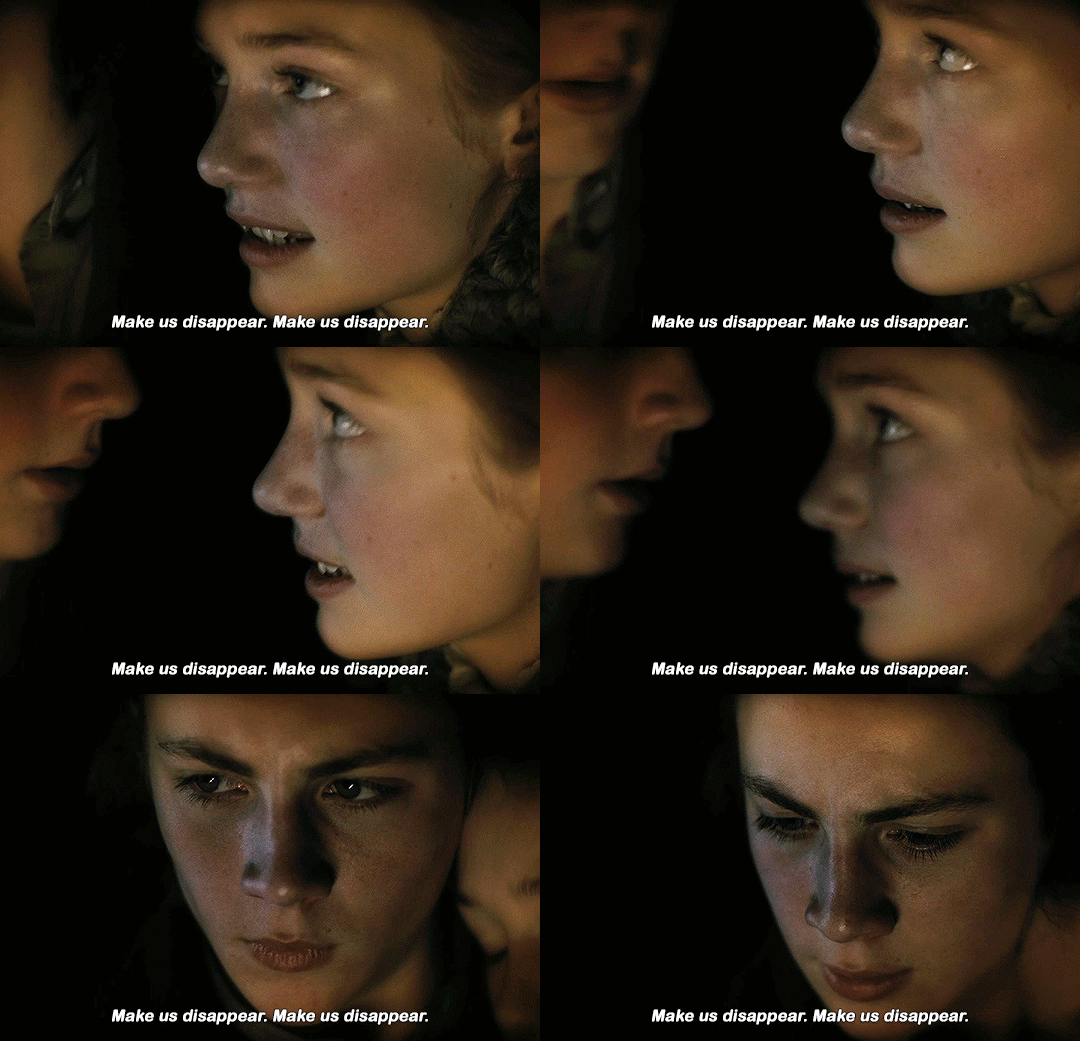
 How far would you go for love? Would you defy the unspoken rules of society? Would you break the law? Would you challenge the laws of physics and the rules of life and death? These are the questions that magician Eisenheim wrestles with in The Illusionist. This 2006 drama blends history, romance, suspense, and a little magic to relate a twisting tale that is nothing short of spellbinding.

The story begins in turn of the 20th century Vienna. Internationally acclaimed magician Eisenheim has returned home to see-out performances. In the midst of his most popular trick, however, he is arrested for fraud. His arresting officer then reports to Crown Prince Rudolph and relates all that he has learned about the mysterious magician's life and work. The story then flashes back to Eisenheim's childhood, when he was still a peasant known ad Eduard Abramovich. As a child he becomes fascinated by magic tricks which he uses to impress his crush, aristocrat Sophie von Teschen. The pair's childhood infatuation develops into a teen romance, but the two are separated after being discovered by Sophie's disapproving family. After her family moves to Vienna he sets off on his won, determined to become a successful magician. Fifteen years later he returns from a world tour. After a chance meeting with Sophie he learns that she is engaged to marry the Crown Prince Rudolph in an arranged marriage. The pair eventually rekindle their romance and Eduard learns that the price is abusive towards Sophie and is forcing her to help him in a plot to overthrow his father, the emperor. When she is found murdered it's up to Eduard to summon all of his magic to clear an innocent man's name, thwart a coup, and just maybe reunite with his beloved.

Through its combination of political intrigue, mystery, and romance The Illusionist is nothing short of magic. The film's central love story expertly balances between the personal and the political as it takes viewers on a twisting thrill ride through the streets of Vienna. While the plot remains grounded in its historical reality and even echoes real life events it hints at the supernatural in a way that will leave viewers begging to know the magician's secrets. The final reveal deserves a place amongst the most inventive and memorable twists in modern cinema. The film offers more than thrill, however, with its beating heart lying not in Eisenheim's bag of tricks but in his relationship with Sophie. The way in which the script shows the pair's relationship develop from youthful infatuation into selfless love is achingly romantic. As a result, viewers will be rooting for the star-crossed couple's success every step of the way. The cinematography and costume designs bring turn of the century Vienna to vibrant life. Even nearly two decades after the film's release its special effects are never less than stunning and are sure to leave viewers every bit as spellbound as Eisenheim's audience. For viewing that will leave your pulse pounding and heart racing fall under the spell of The Illusionist.

The film transports viewers to the splendor of the turn of the century Vienna thanks to the work of its stellar cast. Aaron Johnson and Eleanor Tomlinson turn in surprisingly mature performances as young Eduard and Sophie. Paul Giamatti aptly conveys the conflict between ambition and honor as the dogged Inspector Uhl. Rufus Sewell is tyranny personified as the brutal Crown prince Leopold. Jessica Biel infuses Sophie with warmth, intelligence, and quiet strength. Edward Norton proves himself as a leading man as the story's titular illusionist. He aptly blends mystique, longing, wit, and charisma in a performance that is nothing short of magic. Together, Norton and Biel share a chemistry that is sure to cast a spell over viewers.

At once a classic historical romance and a modern thriller, The Illusionist captures the magic of the movies. The script expertly merges mystery, history, and romance to tell a tale that will leave viewers guessing until its final reveal. The brilliant work of the cast immerses viewers in the world of turn of the century Vienna. Nearly twenty years after its release the film still holds plenty of tricks up its sleeve. Believe in magic with Sophie and Eisenhim in The Illusionist.


Sunday, November 3, 2024

Classics: A Review of Paprika By Lauren Ennis

 Over the course of just one decade and four films Satoshi Kon established himself as one of the most formidable and innovative directors in animation. If one film captures the psychological thrill, visual splendor, and thought provoking storytelling that defined Kon's work is his 2007 drama Paprika. Part surrealist journey into the human psyche and part pulse pounding detective drama the film has gained iconic status in the decades since its release. For a movie that is truly unlike any other chase your dreams with Paprika.

The story begins with hardened cop detective Konakawa searching for a traitor in the audience of a circus. What seems to begin as a standard police procedural soon takes a surreal turn, however, when it is revealed that the circus search is really just part of his recurring nightmare. The film then introduces viewers to the therapist attempting to treat his night terrors, the enigmatic Paprika. This simple premise is then flipped on its head when viewers learn that Paprika is actually the alter-ego of psychiatric researcher Dr. Chiba, who works for a team developing new neurological treatments. Her team is currently testing their latest invention, the DC Mini, which allows therapists to enter patients' dreams in an effort to better understand a patient's trauma and illness. When the DC mini is stolen the team is launched onto a chase in which the lines between dreams and reality blur and the fate of humanity is on the line.

The film explores the power of dreams both the nocturnal and aspirational kind to create a mind-bending thriller the likes of which animation was made for. The film's depiction of dreams as representative of the subconscious takes viewers on a fascination journey  into the human psyche. This portrayal highlights the ways in which all of us are impacted by subconscious desires and fears of which we may not even be aware. In this way, the film asks viewers to confront the deep-seated hopes and anxieties that we all keep hidden, even from ourselves. The film's depiction of aspirational dreams is equally compelling as it showcases the ways all of us are driven by our dreams for the future. The film is particularly notable for its poignant depiction of the lasting impact of our dreams even long after we have abandoned them. Even as it acknowledges the devastating impact of ignoring and forsaking our dreams the film never veers into despair and instead uses the struggles of its characters to remind us that its never too late to pursue our dreams. While the film explores cerebral subjects the story maintains the same upbeat outlook and unabashed playfulness as its titular heroine. As a result, the film offers an inspiring message of hope that viewers from all walks of life can relate to. Discover of the genius of Satoshi Kon with Paprika.

Over the course of its ninety minute run time the film serves up an unforgettable feast for the eyes and ears. The film showcases Kon's signature style to dazzling effect as it captures the enigmatic power of dreams. The film's array of images, colors, and symbols brings the world of our dreams in al of their beautiful, terrifying, and inspiring mystery to life all while following the disjointed logic of a dream. As a result, the film leaves viewers feeling as though they are traveling in a dream along with the characters while recalling viewers' own dreams. The animation's ethereal atmosphere is amplified by the music of Kon's frequent collaborator, Susumu Hirasawa. Hirasawa's score blends the infectious charm of pop with the futuristic sounds of synth techno to expert effect. The soundtrack aptly reinforces the film's themes while infusing the proceedings with an exhilarating sense of adventure. Together, the score and animation create an enchanting world the likes of which viewers have only seen once upon a dream.

Paprika is the final film in Satoshi Kon's directorial career; and what a way to complete a career. The film perfectly encapsulates Kon's unique animation style, innovative editing techniques, and groundbreaking approach to storytelling. Nearly twenty years after its release the film's influence can still be seen in Japanese animation and even live-action Hollywood. Discover the magic of the movies when you dream a little dream with Paprika.


Tuesday, October 15, 2024

Classics: A Review of The Crow By Lauren Ennis

"People once believed that when someone dies, a crow carries their soul to the land of the dead. But sometimes, something so bad happens that a terrible sadness is carried with it and the soul can't rest"; so begins the 1994 thriller The Crow. The film relates a classic tale of revenge and redemption with a 90's gothic edge that inspired a generation. Blending action, romance, and a rocking aesthetic The Crow continues to fly high thirty years after its release.


The story begins in Detroit on October 30, 1993 with police responding to a brutal double homicide. It is soon revealed that the victims were Shelley Webster and Eric Draven, a young couple preparing for their wedding the following day. After Shelley spoke out against their landlord a gang of thugs was sent to scare the couple into silence in an attack that went fatally awry. Eric was shot and thrown from one of their apartment's window while Shelley was viciously beaten and gang-raped. On the one year anniversary of the attack Eric is resurrected from the dead for one purpose; to avenge his and Shelley's murders. The film then follows Eric on a bloody quest for justice. But will one restless soul be enough to take on an entire criminal enterprise? And even if Eric does avenge his and Shelley's deaths will his thirst for revenge ever be fully quenched?

Adapted from James O'Barr's acclaimed graphic novel The Crow relates a tale of revenge and redemption that is at once utterly unique and universally relatable. Like vigilante classic Death Wish before it the film utilizes the anarchic backdrop of an urban America overrun with crime. In this way, the film appealed to contemporary viewers and continues to resonate with modern audiences who are all too familiar with the dangers that await just outside of their front door. The film additionally endears itself to viewers by presenting Eric and Shelley as average people caught up in the senseless violence surrounding them. Through this depiction of its central couple the script ensures that viewers will empathize with them and therefore root for Eric's success regardless of how bloody his quest for vengeance becomes. Even as it relates a classic revenge story the film infuses its tale of love, loss, and bloodlust with a gothic edge that many films have imitated but few have replicated. The setting uses an expressionist aesthetic that transforms 1990's Detroit into a nightmarish hellscape straight out of a Weimar-era horror film. The soundtrack perfectly captures the tone of the script and infuses the proceedings with a melancholic spirit that reminds viewers of the torment that is driving its hero. While the on-set death of Brandon Lee gained the film notoriety it is its sincere depiction of love, grief, and the ways in which they motivate us all that has earned the film is iconic status. Forget the sequels and remakes and satisfy your need for revenge-fueled viewing with The Crow. 

The film brings the world of the original comic book to visceral life thanks to the brilliant work of its cast. Sofia Shinas conveys warmth and girl next door charm in her brief appearance as Shelley. Bai Ling is equal parts seductive and sadistic as criminal mastermind Top-Dollar's half-sister turned mistress, Myca. David Patrick Kelly, Michael Massee, and Laurence Mason capture the brutality of Top-Dollar's henchmen, T-Bird, Fun Boy, and Tin-Tin. Anna Thompson aptly portrays the desperation of Eric and Shelley's drug-addicted neighbor and Fun Boy's girlfriend, Darla. John Polito personifies sleazy as local pawnbroker Gideon. Rochelle Davis turns in a haunting performance that is beyond her young years as Darla's street-wise daughter, Sarah. Ernie Hudson personifies decency as honest cop and Eric's unlikely ally Sergeant Albrecht. Michael Wincott makes for a worthy adversary as the equal parts cruel and charismatic Top-Dollar. Even in the midst of apt supporting performances the film belongs to the late Brandon Lee. IN Lee's hands, Eric is more than a wronged man and is instead the living personification of grief in all of its fury and desperation. Lee's performance combines stunning martial arts skills, raw emotion, and cool charisma in a performance that has yet to be topped thirty years later.

While it does not reinvent the revenge story The Crow offers a tale of revenge and redemption that still packs a gut-punch three decades after its release. The script blends action, emotion, and aesthetic to impressive effect, creating an iconic viewing experience. The performances bring O'Barr's characters to vivid life and transports viewers to the cruel city streets that they inhabit. For a bloody good time hit the streets with Eric and The Crow.


Tuesday, October 8, 2024

Classics: A Review of The Others By Lauren Ennis

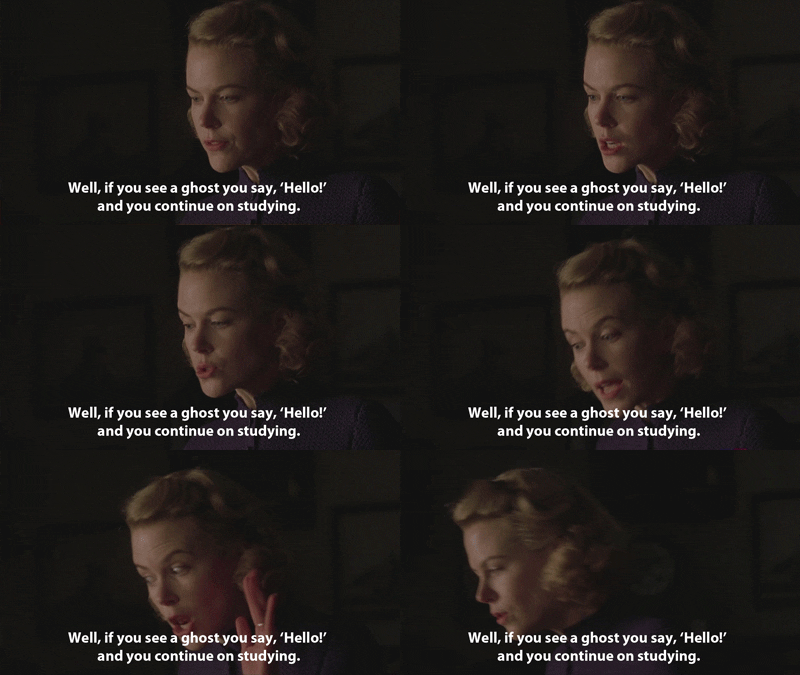
 As long as humanity has grappled with death it has shared ghost stories. For millennia we have used the specter of ghosts to cope with our eternal questions of what has become of those we have loved and lost and what awaits us upon our own inevitable deaths. These tales have taken on a variety of forms from the chilling to the melancholic, but rarely has any ghost story been so original and haunting as 2001's The Others. Over twenty years after its release The Others continues to grip audiences with its wrenching tale of grief, guilt, and acceptance. For a hunting like no other pay a visit to the British isles with The Others.

The story begins in 1945 on the Channel Island of Jersey after the end of Nazi occupation of the island during World War II. Three servants arrive at the country manor of Grace Stewart and her two young children. The children, Nicholas and Anne suffer from severe photosensitivity and become ill when exposed to sunlight. In an effort to ensure their health Grace shrouds the home in darkness, much to the servants' discomfort. Soon after the servants' arrival, eerie things begin happening which defy explanation. Devoutly religious Grace dismisses her children's stories of ghostly imaginary friends as childhood fantasy at best and sacrilegious pranks at worst. When she has otherworldly encounters of her own, however, her skepticism and faith are put to the ultimate test. 

The film showcases all of the thrills, chills, and eerie atmosphere of a classic ghost story while still offering a unique take on the genre. The film sets itself apart from the majority of ghost stories by exploring not only supernatural hauntings but also the memories and regret that haunt us all. In this way, the film acts equally as well as either a meditation upon grief, regret, and letting go or a supernatural thriller. The film also stands out from its contemporaries by limiting its use of special effects and trusting viewers to use their own imaginations to devise even greater scares than any that CGI could conjure. In this way, the film avoids both dating itself and talking down to its audience. The film's final twist is nothing short of devastating and is certain to haunt viewers long after the final credits fade. This Halloween, take an island vacation to die for with The Others.


The film casts an unnerving spell thanks to the spirited work of its cast. Christopher Eccleston perfectly captures the torment of Grace's traumatized husband, Charles. Fiornula Flanagan conveys warmth and understanding as Mrs. Mills. Elaine Cassidy is nothing short of haunting in her silent, but powerful, turn as mute servant Lydia. James Bentley captures Nicholas' innocence without becoming saccharine. Alakina Main shows surprising maturity in her compelling turn as Grace's willful daughter, Anne. Nicole Kidman turns in one of the most mesmerizing performances of her career in her depiction of Grace's downward spiral into madness.

A classic ghost story with a modern edge, The Others is essential Halloween viewing. The equal parts uncanny and intelligent script is sure to keep viewers on the edge of their seats. The stellar performances of the cast bring the story to haunting life. This Halloween get in touch with your spiritual side with The Others.


Tuesday, October 1, 2024

Classics: A Review of A Hunting Accident By Lauren Ennis

 Can innocence survive in a corrupted society? Can love remain pure in a tainted world? These are the questions that lie that the heart of the 1978 Soviet drama A Hunting Accident. Set against the backdrop of Imperial Russia the film captures the twilight of the czarist empire in all of its splendor and decay. Adapted from Anton Chekov's only full length novel this deceptively simple tale of love, lust, and ambition makes for both a compelling tragedy and a cautionary that continues to resonate today. Experience the passion, tragedy, and triumph of Russian drama in A Hunting Accident.

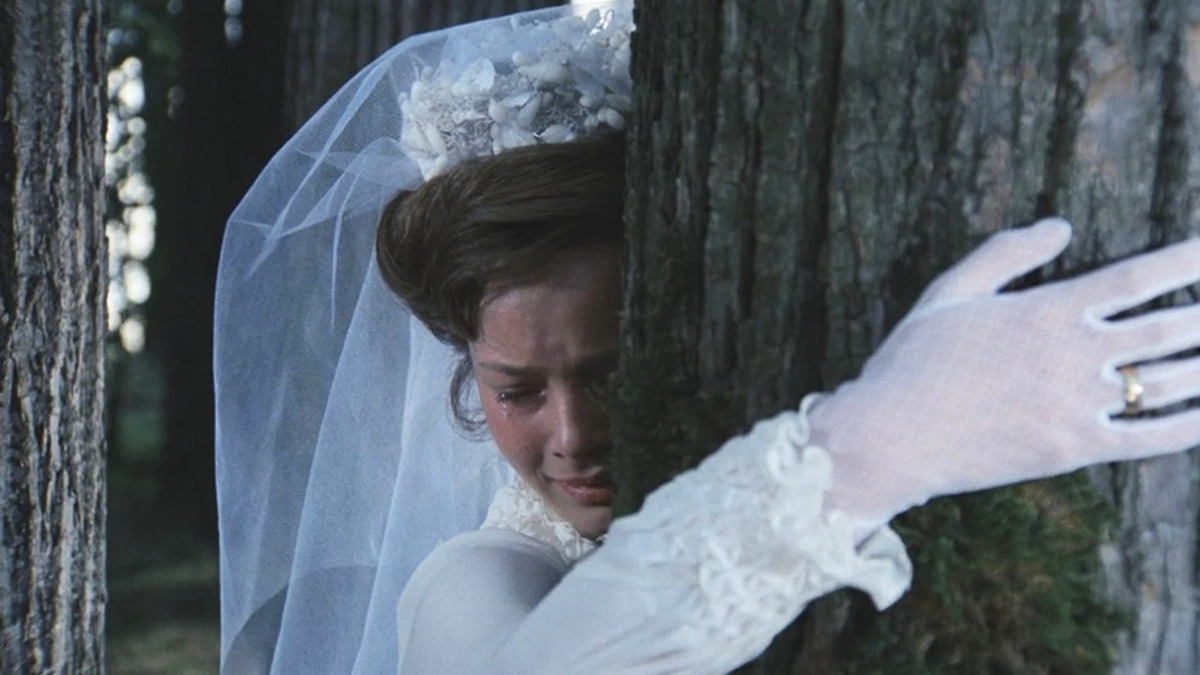
It's like rain on your wedding day...

The story begins in late 19th century Russia. Investigator Kamyshev retreats to the countryside to visit his friend, amiable but debauched Count Karneev. During their visit Kamyshev meets Karneev's neighbor, honest but humorless landowner Urbenin. Karneev reveals that he ahs been diagnosed with a terminal case of cirrhosis and told that he has mere months left to live. Rather than prepare for the inevitable, Karneev uses his illness as an excuse to treat Kamyshev to a series of parties, each more decadent than the last. In the midst of their revelry the trio come upon Olga, the daughter of Karneev's groundskeeper. Kamyshev is immediately struck by what he perceives as her innocence. To his dismay, he later learns that Olga is engaged to Urbenin. When he confronts her she admits that her impending marriage is one of convenience which she hopes will lift her out of poverty. Despite his warnings she goes through with the wedding as planned only to realize that her affections lie elsewhere. So begins a tumultuous love triangle that will set all three on a date with both destiny and disaster.

The film defies the stereotypes of Soviet cinema to relate a tale of love, loss, and desperation that transcends cultures. The love quadrangle between Olga and her suitors offers a timeless portrayal of the lengths to which we will go to pursue personal happiness regardless of the cost. The foibles of each character are all too human and remain startlingly relatable today. The film makes pointed critiques against the decadence and inequality of the czarist regime through its depiction of Karneev and Kamyshev's hedonism and Olga's increasingly desperate efforts to escape poverty. Even as it makes these critiques, however, the film never veers into propaganda. As a result, the story remains one that can be enjoyed around the world. The cinematography utilizes real life locations in rural Russia to breathtaking effect. The soundtrack transports viewers to a lost era, and its signature waltz by Eugen Doga more than earns its international acclaim. Together, the score and cinematography create a dream like atmosphere that leaves viewers with the sense that they are witnessing a modern fairy tale. Let yourself be swept off of your feet and fall under the tragic spell of A Hunting Accident.

So many suitors and so little time

The film transports viewers to Imperial Russia thanks to the brilliant work of its cast. Leonid Markov infuses the thankless role of Urbenin with surprising humanity. Kirill Lavrov is delightfully debauched in his irreverent turn as Karneev. Oleg Yankovsky perfectly captures the downward spiral of Kamyshev from upstanding gentleman to ruthless criminal. Even in the midst of an outstanding cast Galina Belyayeva dominates the film in her dynamic turn as Olga in which she blends the innocence of Audrey Hepburn with the reckless abandon of Louise Brooks. Her performance is guaranteed to leave viewers every bit as beguiled, frustrated, and captivated as Olga's three suitors.

At once a scathing indictment of Czarist Russia and a universal tale of doomed love, A Hunting Accident continues to resonate across cultures and decades. The script brings Chekov's novel to vivid life as it takes viewers on a journey through the Russian countryside into the the darkest corners of the human heart. The stellar cast bring each of the characters to vibrant life in all of their complexity and contradictions. Lose yourself in the dance of love, loss, and tragedy that is A Hunting Accident.

The stuff that foreshadowing is made of