Tuesday, July 21, 2015

Cinema Debates: "Hostel" vs. "Taken":

Confessions of a Film Junkie: Debates “Hostel vs. Taken”

A Joint Review by Brian Cotnoir & Lauren Ennis

     For Whatever reason many people throughout the world have grown to resent Americans.  Why?  I couldn’t tell you, but it is because of this resentment that travel outside the U.S. is very dangerous for most Americans; especially young Americans.  There are two iconic films that deal with the subject of young Americans in Europe who are being attacked by hostile natives: “Hostel” and “Taken”.  Even though they have similar plots they do have some distinctive differences that help them stand out, and today Miss-E and I are going to debate which film is better.

Hostel (By Brian Cotnoir)

Hostel” tells the story of 2 Yong Americans, named Paxton and Josh, traveling across Europe on trip of fun, debauchery, and self-discovery.  Paxton and Josh (along with their friend Olli from Iceland) wind up in Amsterdam expecting a world of nothing, but pot smoking and sex crazed locals, only to be disappointed to realize that Amsterdam is totally overrun with American tourists, and they want to get away from them.  They meet a European teen, who tells them that they have to go to Slovakia where the hostels there are crawling with young, horny, sex-crazed women who love American guys.  The three friends decide to take a train to Slovakia and after some skeptical uncertainty they arrive at the hostel to discover that it is everything the young man back in Amsterdam promised them it would be.                         
    However after all the binge drinking and promiscuous sex, one of the friends Paxton (played by actor Jay Hernandez) notices that his friends Olli and Josh have disappeared.  He asks the locals if they’ve seen his friends only to be told that they went home or they left.  However Paxton doesn’t believe his friends would just leave without telling him.  After some sleuthing and persistent questioning of the locals Paxton learns that he and his friends have been sold in an on-line auction by a group called The Elite Hunting Group.  The Elite Hunting Group offers people the chance to live out their homicidal and torture fantasies for a high-price, and they always get Top Dollar from people for Americans.  Paxton learns that his friends have endured horrendous deaths and now he is next.   

So the characters in “Hostel” aren’t the most heroic or even likable, but they still have to endure some pretty horrifying things even for a bunch of douchebags.  All they wanted to do was have a good time and have sex with lots of beautiful women.  That is something every guy in life wants.  Now I once had a discussion with a friend of mine and she said “’Hostel’ [was] scary, but totally unrealistic [because] who would every pay just torture someone?” to which I replied “I’m pretty sure if you gave me a baseball bat, and placed a child molester in front of me, I’m pretty sure I could make myself do some things I didn’t think I was capable of doing”.  They Agreed. Now while I can admit that being kidnapped and sold into the sex trade is not a better outcome, I still maintain my belief that being sold to be tortured to death is a much more gruesome fate.  Plus, who’s going to rescue those boys?  Let’s be honest; the first time everybody saw the trailer for the movie “Taken” we all knew that Liam Neeson was going to save his daughter and do it in the most kick a$$ fashion imaginable.  As for Paxton, Josh, and Olli, they only had themselves to rely on.  None of their parents were going to come to their rescue (hell, I don’t even think they knew where in Europe they were).  The only one who managed to get escape with his life was Paxton, and he did it with almost no help from anyone (and trust me: there was no happy ending for Paxton, as made evident by the intro to “Hostel 2”).                      
    The reasons why I feel that “Hostel” is a scarier movie than “Taken”.
  

Taken (By Lauren Ennis)

Unlike Hostel, which focuses upon the physical tortures that an unsuspecting group of tourists endure, Taken’s focus is instead upon its protagonist’s emotional anguish. Like Hostel, Taken involves young Americans who are abducted while on vacation in Europe, but rather than chronicle the horrors that the girls endure at the hands of their captors, the story is told from the perspective of one of the girls’ father as he struggles to find and free his daughter. While both films highlight the dangers that we expose ourselves to when in an unfamiliar place, Taken’s greatest punches are packed not by its many thrilling action scenes, but by the raw emotion at the core of its story. Through its honest portrayal of a parent in crisis, Taken reveals the fears that lie within all us of us and the lengths to which we will go when the people we love are put into jeopardy.

The story begins with former CIA agent turned private bodyguard Bryan Mills (Liam Neeson) struggling to rebuild his relationship with his estranged teenage daughter, Kim (Maggie Grace ). When he learns that Kim and her friend, Amanda (Katie Cassidy), are planning a trip to Paris he is strongly opposed to the idea but eventually agrees to let her go after being pressured by his ex-wife (Famke Janssen). As he sees Kim off at the airport, however, he learns that the girls are actually planning a cross-continental trip following U2’s European tour, rather than the agreed upon stay with Amanda’s cousins. Despite his misgivings, Brian decides that it is too late to stop the girls’ plans and sends Kim off with a loving warning to be careful. Almost as soon as the girls land, however, they form a fast friendship with local boy Peter (Nicolas Giraud) and give him the address of the apartment they’re staying in after he invites them to a party. The seemingly harmless acquaintance quickly turns sinister when the girls arrive at the apartment only to find that Amanda’s cousins are in Spain and several men, using Peter’s tip, infiltrate the apartment and abduct first Amanda and then Kim. Fortunately, before she is kidnapped, Kim makes a call to Bryan relaying her plight and providing him with a description of her abductor. With only Kim’s few words to follow and a “specific set of skills” to aid him, Bryan sets out on a journey through the Parisian underworld to bring his daughter home and take vengeance on her captors.

Despite its status as an action film, Taken highlights a devastating reality and approaches the topic of sex trafficking with the seriousness that it deserves. Over the course of Bryan’s journey, the film depicts the various networks of organized crime and political corruption that run and maintain the vast and lucrative trafficking business. As he delves deeper into the mystery of his daughter’s disappearance he quickly learns how the industry thrives on a combination of greed, societal indifference, and fear. The film deftly shows the maze of networks that make up the trafficking industry, which leaves viewers with little doubt as to how easily its victims can disappear in broad daylight. When he finally gains access to the city’s underground brothels he is horrified to learn how the girls are psychologically and physically abused until they finally break, and are then provided with access to drugs under the guise of allowing them an outlet, which in reality puts them further under their captors’ control. The moment that Bryan finds Amanda dead of an apparent drug overdose is truly chilling in the way that it shows the desperate lengths that trafficking victims will go to in order to escape (at least temporarily) the pain of their existence and echoes the influence of heroin and other drugs in the midst of today’s opiate epidemic. Through its bleak depiction of the inner depths of the sex trade Taken delivers horrors of an all too real variety that will have you thinking twice before you book your next vacation.

While the film contains the familiar action flick elements of death-defying stunts, sadistic villains, and constant plot twists, at its heart Taken remains a tale of a man trying to hold onto his family. When the film first starts, Bryan has retired from the CIA, despite his exemplary career record and the agency’s continued demand for his skills, in an effort to lead a more stable, family-driven life. He then makes time to visit his daughter, even though it means facing remaining bitterness from his ex-wife and awkward interactions with her new husband. Through the film’s early scenes, audiences are able to gain insight into Bryan’s struggle to hold onto what remains of his family, while still leading the violent life that his career demands. As a result, his journey to rescue Kim can be seen as a metaphor for trying to reconnect with her before she reaches adulthood and is emotionally lost to him. Viewed from this perspective, Taken becomes more than a somewhat relatable action film, and is elevated to a universal tale of the need for family connection in an increasingly disconnected world. Therefore, Bryan’s fears of losing Kim both literally in the sense that she could disappear into the international sex trade and figuratively in the sense that his time to be part of her youth is running out are equally terrifying and relevant.

Through its combination of action-packed thrills, emotional depth, and chills torn straight from the headlines, Taken is a film that will maintain a hold on viewers even after they leave the theater. The film works equally well as an entertaining thriller, heart-wrenching family drama, and exploration of the modern black market. When I was first approached with writing this review, the Film Junkie asked, “What’s more terrifying, being kidnapped in Europe and sold to be tortured to death or being kidnapped in Europe and sold as a sex slave”. That is a question that still remains uncomfortable and difficult to answer, but I can answer that the anguish that Bryan withstands in Taken is truly the stuff of every parent’s nightmare that will undoubtedly leave any parents in the audience nothing short of haunted.

Monday, July 13, 2015

A Message from Miss E.

Dear Readers,

I will be writing a joint review with our own Film Junkie next week, which would have been scheduled as an off week. As a result, I will be adjusting the review schedule so that this week will not be featuring a new review and next week will feature our joint review.

In the meantime, I recommend that you check out my reviews of Funny Girl and Doctor Zhivago in honor of star Omar Sharif who died last week, and To Kill a Mockingbird as a prep for the upcoming publication of the original novel's sequel, Go Set a Watchman.

Until then, enjoy the summer sun!

Miss E.


Tuesday, June 30, 2015

Classics: A Review of Jersey Boys By Lauren Ennis

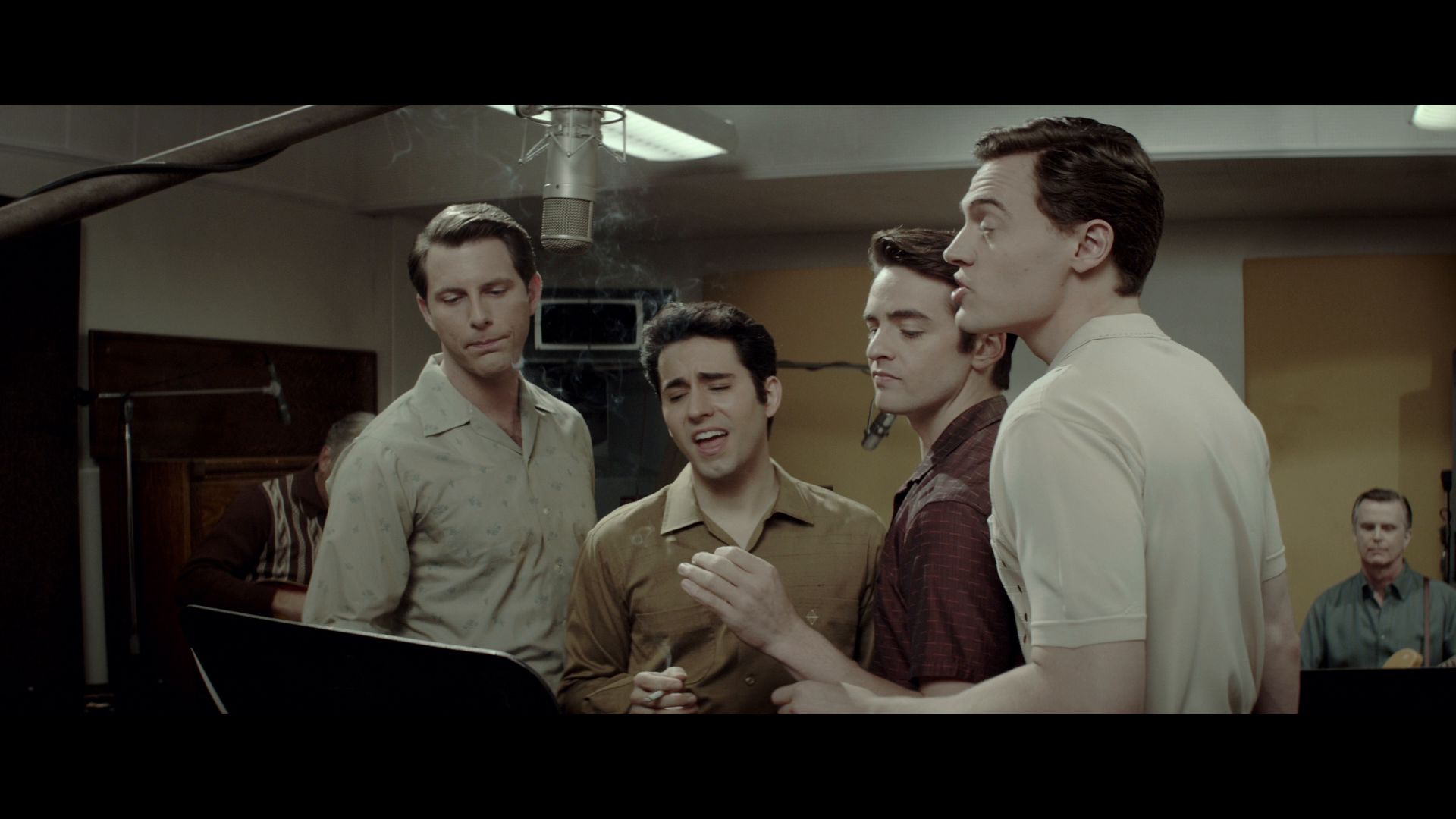
We as a society often look to historical figures and pop culture icons for inspiration. As a result, one of the most popular forms of storytelling in modern film making is the biography. One of the increasingly popular trends in the sometimes stale genre is the musical biography, which uses song and dance to incorporate additional depth and emotional resonance into stories that otherwise, by their very nature, follow a predictable structure. While it is a risk to blend such divergent genres, this week’s toe tapping subject, Jersey Boys, manages to not only blend, but transcend the trappings of both genres to tell the story of the rise, fall, and redemption of one of modern music’s most enduring groups, the Four Seasons.


A group you won't be able to take your eyes off of

The story begins in 1951 with group members Frankie Valli (John Lloyd Young), Tommy DeVito (Vincent Piazza), and Nick Massi (Michael Lomenda) along with Tommy’s younger brother, Nicky (Johnny Cannizzaro), forming their own doo-wop group. Despite their musical aspirations, the foursome find themselves spending more time dodging police and rotating in and out of prison than rehearsing, as they are increasingly drawn into the criminal element of their notoriously tough New Jersey neighborhood. The group continues on in their roller-coaster existence until Nicky leaves the group and Tommy’s friend, a still unknown Joe Pesci (Joseph Russo), suggests that they contact teen songwriting sensation Bob Gaudio (Erich Bergen). After hearing Frankie sing just one song the initially hesitant Gaudio joins the act and the Four Seasons as they are best known are born. The film then chronicles the group’s rise after years of struggle and the devastating fall that comes when financial debt, in-fighting, and life in the spotlight threatens to tear them apart.

While the film covers the themes and plot points familiar to the biography, the characters’ gritty backstory and complex personalities elevates the story to an almost Shakespearean tale of honor, friendship, betrayal and redemption. Although Hollywood is notorious for sanitizing and glorifying real-life figures in its fictional portrayals, Jersey Boys not only acknowledges, but explores the ways in which the Four Seasons were shaped and nearly destroyed by the bonds and habits that they carried with them from their years in the neighborhood. From their beginnings as juvenile delinquents to their eventual breakup at the height of their success after a mob deal gone wrong, the film spares its characters from no ugly incidents or painful memories. Each of the band’s members demonstrate a variety of flaws and make their fair share of mistakes and questionable decisions. Whether it’s living beyond their means, neglecting their families to party on the road, or fraternizing with all too available groupies, none of the band’s members are immune to the lure of life in the fast lane. Rather than alienating audiences, the band’s faults serve to show them as multi-faceted people whom audiences can recognize and relate to rather than unattainable celebrities. As a result, the audience is able to invest in the band’s journey and root for its success, regardless of whether they are long-time listeners or casual viewers. The film’s incorporation of the band’s music highlights also the story’s highs and lows without ever becoming intrusive. When the band first starts performing, for instance, the audience is able to see is potential, but can easily imagine the long road that it will take for it to reach that potential. Similarly, the use of such fan favorites as “Sherry”, “Walk Like a Man”, and “Can’t Take My Eyes Off Of You” transports viewers into the world of both the band and the culture early 1960’s America that they inhabit. As a result, viewers are drawn into both the inner and public lives of each band member in such a way as to highlight both their unique success and universal struggles.
You can take the group out of the neighborhood...

Despite the story’s intriguing premise, the film would not have become the dynamic crowd-pleaser that it is without a cast who could adequately bring it to life. The cast, largely members of the original Broadway cast, turn in performances that combine raw emotion with a subtle understanding of their roles that ensure the film makes a successful transition to the screen. John Lloyd Young successfully tackles the difficult task of performing in Frankie Valli’s falsetto style without resorting to blatant mimicry, all while imbuing his performance with equal parts sensitivity and street-wise charm. Vincent Piazza nearly steals the film in his portrayal of the rakish Tommy, whose con-man charm endears him to audiences despite his reckless behavior. Michael Lomenda and Erich Bergen hold their own in the less flashy roles of Nick and Bob and round out the foursome with performances that are equal parts intelligent, comic, and emotionally honest. The supporting cast lend apt support with Christopher Walken and Mike Doyle particularly standing out as the mobster who first notices the group’s talent and the manager who brings them mainstream success.

Both an entertaining musical and an effective biography, Jersey Boys has the best qualities of both genres and more. Rather than focusing upon one individual, the film tells the story of each band member in a way that shows how the ways in which their paths both intersected and separated influenced each other’s lives. At once a rags to riches Cinderella story and a cautionary warning against the high cost of fame, the film is a truly dynamic tale of what matters most when the spotlights fade. Break out your records and put on your dance shoes for an experience that will leave you humming, and reflecting long after the final credits roll.
If only today's boy bands had such talent

Sunday, June 14, 2015

Classics: A Cinematic Ode to Fathers By Lauren Ennis

Father’s Day was first celebrated in 1910 in Spokane Washington, two years after the first celebration of Mother’s Day. Like its predecessor, the event eventually went on to be observed by all fifty US states and is now considered a fully-fledged holiday that is promoted through national media. Ironically, the holiday’s greatest resistance has historically come from the very men it is meant to celebrate, who often dismissed the holiday as commercialism or sentimentality. This week, I’ll be honoring the fathers in our readership with three films that highlight the importance of fatherhood without resorting to gimmicks or clichés.

Birds gotta fly, fish gotta swim...can't help lovin' that dad of mine

Finding Nemo: This 2003 Disney/Pixar film put the ‘family’ back into ‘family entertainment’. The story follows the parallel journeys of father and son clownfish Marlin (Albert Brooks) and Nemo (Alexander Gould) as they struggle to find their independence while finding their way back to each other. The film begins with anxiety-ridden Marlin raising only child Nemo after the death of his wife, Coral (Elizabeth Perekins). Following the brutal death of Coral and their eggs, Marlin vows to protect his son at any cost; even if it means coddling Nemo to the point that their relationship verges on codependence. After Nemo is captured by scuba divers during a school field trip (his first real experience away from his father’s care) Marlin dives into action, and with the help of memory impaired blue tang, Dory (Ellen Degeneres), journeys across the Tasman Sea to Sydney to find his missing son. Father and son quickly learn about the dangers of life beyond their sheltered anemone home as Nemo is held captive in a dentist office aquarium and Marlin encounters fish-addicted sharks, deadly jellyfish, and a gluttonous whale. Through their trials they also learn, however, about all of the joys and thrills that they’ve been missing out on and all of the courage and resilience that they never realized they possessed. Over the course of both their journeys, Marlin and Nemo ultimately learn to see things from each other’s perspective as Nemo experiences firsthand the dangers that his father tried to warn him about, and Marlin finally learns that there is a time to hold a child’s hand and a time to finally let go. With its dazzling visuals that transport viewers to the vibrant world lying beneath the ocean surface, this film is a must see for fans of the art of animation as well as Disney and Pixar devotees. Through a sense of humor that appeals equally to adults and children and universal lessons that will resonate long after the cinema lights fade, Finding Nemo truly is entertainment of the highest order for the whole family.

Who needs movies with a one-man-show in the family?

Man of a Thousand Faces: Hollywood biographies, while prestige projects that often go on to become Oscar contenders, all too often fall into the trap of relaying recycled themes and familiar story arcs while trying to highlight the life of a unique individual. One biography that breaks this mold, however, is the 1957 biography Man of a Thousand Faces. Although the film does chronicle the early life, struggles, and eventual success of its protagonist, famed silent horror star Lon Chaney (James Cagney), the film emphasizes themes beyond the usual struggle, success, and redemption themes by focusing upon Chaney’s troubled home life and his greatest role of all as a dedicated father. The film begins with the recently married Chaney working in vaudeville alongside his actress wife, Cleva (Dorothy Malone), as the pair struggle to make names for themselves on the stage. The film then shifts its focus from his professional life to his complicated personal one when Cleva announces that she is pregnant and insists upon meeting Lon’s family before their baby is born. The painful reason behind his keeping his family hidden is revealed when Cleva meets Mr. and Mrs. Chaney (Nolan Leary and Celia Lovsky), both of whom are deaf and mute. Horrified by her in-laws disability and terrified that her child may be born with the same handicap, Cleva becomes furious with Lon for hiding his family’s secret and threatens to have an abortion. He eventually persuades her to have the baby, who is born perfectly healthy, but she proves ill-suited to motherhood and leaves the majority of the parenting duties to him. When their son, Creighton (played by four actors at varying ages), is still a toddler she insists upon returning to the stage, even though it means working as a second-rate singer in a sleazy nightclub, and leaves the boy backstage at Lon’s performances while she works nights and sleeps most of the day. The couple reach their breaking point when Lon learns of Cleva’s affair with a wealthy patron and Cleva suspects that Lon’s platonic friendship with sympathetic showgirl Hazel (Jane Greer) is something more. In an attempt to bring his wife home and save his failing marriage Lon asks Cleva’s boss to fire her. When she learns that her employment, and dream of fame, has been terminated she is unable to withstand the blow and wanders onstage during one of Lon’s performances where she attempts suicide by swallowing a bottle of acid. The incident ultimately ends their marriage as she disappears after recovering and the state deems that Lon is unfit to raise Creighton due to the fact that he is a single father working in the often unpredictable entertainment industry. The film then shifts its focus to Lon’s film career as he struggles to gain better roles not to achieve fame or fortune, but to gain the job and financial security necessary to win back custody of his son. After finally regaining custody of Creighton, Lon faces yet more adversity as Creighton adjusts to living with his father and Cleva reappears and tries to reclaim the boy. Father and son eventually overcome misunderstanding and estrangement, with Creighton going on to adopt the stage name ‘Lon Chaney Jr.’ and taking his place in his father’s business. Throughout the many ups and downs of his varied career and complicated personal life one constant remains; Lon’s love for his son. Whether arguing with Cleva for their son’s right to life, scrambling to revive their obviously failing marriage to provide a complete home, or working grueling hours in thankless roles to ensure that he regains custody, Lon consistently puts Creighton and his needs first. While an intriguing biopic, Man of a Thousand Faces best serves as a testament to parental sacrifice and the enduring bond between fathers and their children.

A little bit of pixie dust and a lot of love can go a long way


Finding Neverland: This 2004 film also provides an unusual twist on the biopic. Finding Neverland chronicles J.M. Barrie’s process creating his masterpiece Peter Pan and his relationship with the family who inspired him to write it. The story begins with Barrie (Johnny Depp) meeting his widowed neighbor, Sylvia Llewelyn Davies (Kate Winslet), following the successful debut of his latest show. The film then follows the evolution of the pair’s relationship as they become deeply close friends and Barrie takes on the role of surrogate father to Sylvia’s four young sons (Freddie Highmore, Nick Roud, Joe Prospero, and Luke Spill). Despite protests from his suspicious wife (Radha Mitchell) and Sylvia’s skeptical mother (Julie Christie), Barrie continues to spend the majority of his time with the family, and begins to write a story based upon a fantasy version of their lives that will become Peter Pan. When Sylvia finally succumbs to lung cancer at the film’s close she makes a provision in her will naming Barrie and her mother as the boys’ co-guardians, a role that Barrie gratefully accepts and promises to fulfill to the best of his ability.  Like Man of a Thousand Faces, Finding Neverland takes the standard biopic tropes and moves beyond them to tell a truly original story that conveys both the transformative power of imagination and the importance of family. Although Barrie is not the boys’ father, over time he develops a bond with each of them that is nothing short of paternal as he shows genuine interest in their lives and teaches them about the importance of holding onto childhood and living life to the fullest, even in the face of loss. The film’s unconventional story sheds light on the ways in which parental figures can play just as crucial a role in children’s lives as their actual parents and shows that parental figures and role models can be found in the unlikeliest of places. 

Sunday, May 31, 2015

Classics: The Spies We Loved: Mata Hari vs. Dishonored By Lauren Ennis

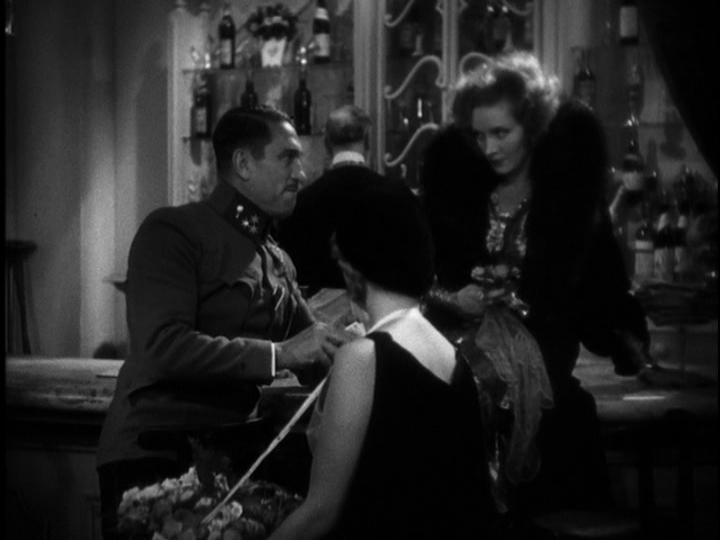
At the height of the Hollywood studio system off the 1930’s and 1940’s the major studios developed fierce rivalries with one another. In order to draw audiences away from their rivals, studios would try to out-do one another by copying each other’s successes. As a result, for reach studio’s star, another studio had a star marketed for similar appeal, and for each box office hit another, almost identical film was released in hopes of luring the original film’s audience. One particularly interesting rivalry was the one that studios created between actresses Greta Garbo and Marlene Dietrich. After Swedish starlet Garbo made the difficult transition to sound with her fan base intact, Paramount imported German screen sensation Dietrich in hopes of replicating MGM’s success. When Garbo continued to remain a fan favorite over her newly arrived competitor Paramount resorted to promoting Dietrich in films that directly mirrored Garbo’s despite the obvious differences between the two’s acting styles and screen personas. One such instance is Paramount’s 1931 release of Dishonored, a World War I spy thriller that followed in the footsteps of the MGM hit Mata Hari released earlier that same year. While both films provide interesting twists on the popular genre, which movie can claim the more adept agent, the more thrilling twists, and ultimately the sultrier spy?
The improvising strippers had to do before poles

Ladies With Pasts: Although both films focus upon their heroine’s spy-jinks, both also lend more credibility to their stories by providing their leading ladies with civilian lives outside of their intelligence work. Because Mata Hari was loosely inspired by a true story, screenwriters were forced to keep their script generally aligned with history. As a result Mata retains her larger than life persona as an exotic burlesque dancer and courtesan who conducts her top secret work under the watchful eyes of the very authorities who should be tracking her. Mata’s double life as a stage sensation lends the story a unique dynamic as her star status allows her to routinely break social norms and flaunt her scandalous behavior under the guise of being a temperamental artist without raising suspicion. Her stage success also places her in a position in which she can disobey her superiors’ orders with minimal consequences because her career allows her to travel across enemy lines with little difficulty, making her an agent with valuable leverage. Despite the story’s attention to the nuances of her double life, however, the script fails to explain why she, a Dutch citizen, would risk her life for Germany in an effort to betray France, the nation in which she has achieved her lavish lifestyle. There is also no motive to lend credibility to her willingness to engage in such dangerous work as she displays little allegiance to any nation. As a result, it is difficult to identify with Mata’s later crisis of conscience as she seems to be following orders more as an act of flippant rebellion than as matter of political or personal loyalty.

In Dishonored, Dietrich’s Maria, also known as Agent X27, is a far more ordinary woman caught up in extraordinary circumstances. At the film’s start, she is working as a prostitute after being left a destitute widow in the wake of World War I. When Austrian intelligence approaches her about using her seductive skills to help her country she accepts for lack of other options rather than out of a sense of patriotic duty. Although fictional, this scenario is far more believable than the sensationalized Mata Hari in its portrayal of its heroine’s hopeless desperation driving her into the dangerous would of international espionage. Maria’s existential quest through a world of deception and betrayal also reflects the void that modern life became for World War I’s ‘Lost Generation’ upon returning home, placing the story within the historical context of the era in which it takes place and the equally disillusioned era it was released in. Through its portrayal of the spy as just another disillusioned soldier, the film draws sympathy for its heroine without resorting to cliché twists and moral turns. For its hard-hitting portrayal of an average woman’s journey through the maze of modern warfare, dishonored wins the battle for most resonant and believable backstory.
Happy hour anyone?

The Company They Keep: While spy thrillers are known for their roguish heroes and vampish heroines, they are also equally known for their lackluster love-interests. Long before interchangeable Bond-girls became synonymous with the genre, spy thrillers had been filling screens with romantic leads whose roles were as flimsy as the special effects that they worked with. Unfortunately, Dishonored falls into this all too common trap by having Maria meet her match in a male spy from an enemy nation. While the idea of two agents brought together by the very work that threatens to tear them apart has the potential to create an interesting dynamic, the plot fails to bring them together so much as have them occasionally bump into each other. While the two do meet several times during their missions, their interactions are always cut short and their exchanges are limited to shop-talk and innuendo. As a result, the pair are little more than acquaintances when the plot calls for them to be tragic lovers. This forced plot twist is made even more obvious by the lack of chemistry between Victor McLaglen’s Colonel Kranau, whose attempts to woo his fellow spy consist primarily of grinning lasciviously, and Dietrich’s Maria, whose cool sex appeal better fits the detached prostitute that she begins the film as. By the time that the film reaches a truly unique climax it is difficult for audiences to remain invested in its heroine, whose downfall seems to be an illogical surrender to temporary lust rather than a self-sacrificing love.

While Mata Hari’s naïve Alexis (Ramon Navarro) appears to be a strange choice to catch the notorious Mata’s eye, it is the offbeat nature of their relationship that makes it endearing. Rather than a conventional, macho, leading man he is instead a star struck fan who worships Mata to the point of becoming a pest. While he is repeatedly referenced to be a hero in the Russian air force, he seems to be in more need of rescuing than her. She initially goes out with him to spite her superiors and only allows him to spend the night with her as an act of pity, certain that he’ll return to the front and never see her again. When she is assigned to obtain information from him, however, she is forced to spend more time with him and eventually develops a friendly fondness for him that threatens to develop into something more. While the spy who falls for their assignment was already an established cliché, Mata Hari provided a logical backstory to make the relationship credible and just enough original flair to make the plot almost feel fresh. Unlike Maria and Colonel Kranau’s convenient change of heart, Mata and Alexis’ relationship follows a natural trajectory with her feelings developing from pity and guilt to respect and genuine affection and Alexis’ idolizing of her evolving into understanding and real romance. Although Ramon Novarro is less than convincing as a Russian pilot with his heavy Spanish accent, he imbues Alexis with an innocence, kindness, and goofy charm that could soften even the most cynical secret agent. For its quirky take on what could have been a tired story, Mata Hari claims victory for the more memorable relationship and a truly lovable love-interest.
The best spies shoot from the hip!

Star Quality: In casting Greta Garbo as Mata Hari, MGM made a wise business decision. Mata Hari went on to become one of the top box-office hits of 1931 and continues to be a favorite of Garbo fans, even making cameos in more recent releases. While Mata could have easily been a stereotypical femme fatale, Garbo instead gave audiences the multifaceted performance that they had come to expect of her. Rather than the extremes of the haughty vamp and the self-sacrificing lover that the script alternates between portraying her as, Garbo’s Mata is a complex character who shifts from glamour girl, to enticing agent, to stifled celebrity, to devoted companion without hitting a single false note. As a result, she is a character whom audiences can come to know and root for because of her many strengths and despite her many faults. Paramount was equally business savvy when they cast Dietrich in Dishonored. Dietrich possesses just the right blend of smoldering sex appeal and cool detachment to portray her own enigmatic agent. Unfortunately, while Maria makes for an ideal blank slate, she is also in many ways reduced to a type. While viewers get to see the desolation of WWI Vienna that drives her first to prostitution and then to espionage we are never able to see what beyond her reduced circumstances motivates her. As a result, the audience is shown her actions but never the emotional or psychological reasoning behind those actions. Thus, audiences are forced to settle for Dietrich’s usual, albeit thoroughly entertaining persona just when the story begins to demand the presence of a full-fleshed character. Dietrich’s mystique, while befitting for a spy, fails to provide viewers with any real insight into the woman behind the code name, making it difficult to be fully invested in Maria’s adventures or their consequences.


Both Dietrich and Garbo bring their full talents to the table in two of the better performances of their lengthy careers, making for a tight competition. This final category, even more so than the previous two, comes down to a matter of personal taste. Personally, I prefer to know what makes a character tick rather than be kept constantly guessing as to why as well as what they’ll do next. For her three-dimensional performance of what easily could have been a cardboard character, I give Garbo the slight edge, leaving Mata Hari the victor to whom goes the bragging rights. Tell me what your favorite spy films are in the comments!
Think twice before you steal Greta's spotlight!
If you'd like more on seductive spying check out my full-length stage drama Through Enemy Eyes http://www.jacpub.com/Full-Length/Ennis_EnemyEyes.htm

Tuesday, May 19, 2015

Classics: A Review of Arthur By Lauren Ennis

In fashion as in history trends that were previously forgotten return to repeat themselves once again. The old adage that ‘what once was old is now new’ also holds true for cinema, as sequels and remakes are routinely released as new despite their recycled themes and plots. Another way that Hollywood makes the retro trendy is by reviving styles and genres long since fallen out of favor. One genre that Hollywood has routinely attempted to remarket is the screwball comedy. Due to its effervescent nature and Depression-era origins the screwball comedy, while always entertaining is difficult to modernize. One film, however, managed to successfully pay homage to the screwball comedies of Hollywood’s Golden Age while adding its own modern twist; the 1981 Arthur.
Nightcap anyone?

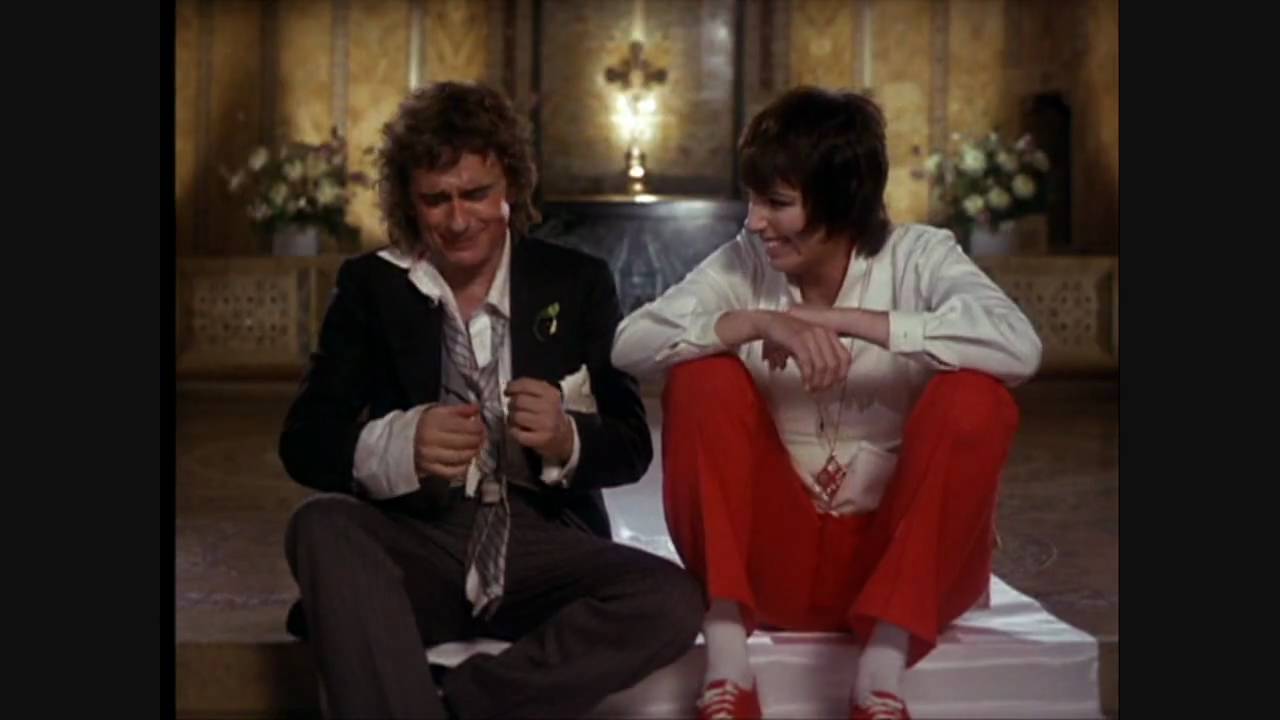
Like many of the 1930’s comedies that inspired, Arthur follows the hijinks of a wealthy eccentric whose unique world view is beyond the comprehension of either his healthy family or working class friends. Unlike those earlier films which left their protagonists’ unconventional lifestyles without motive or explanation, Arthur delves into the psyche of its loveable oddball, making the film both a hilarious genre throwback and a surprisingly heartfelt character study. The story begins with Arthur (Dudley Moore) aimlessly pursuing whatever thrills he can find or buy as his best friend and butler, Hobson (Sir John Geilgud), does his best to keep Arthur out of trouble and Arthur’s name out of the newspapers. Conflict enters when Arthur’s stern tycoon father (Thomas Barbour) demands that Arthur marry Susan (Jill Eikenberry), the mousy daughter of his best friend ruthless businessman Burt Johnson (Stephen Elliott). When Arthur refuses, his father threatens to cut Arthur off from all family funds. Still childishly dependent upon his family’s money, Arthur finds himself unable to fathom life beyond the family estate and reluctantly agrees to his father’s demands, resigning himself to a loveless marriage. Just as Susan prepares to reform her playboy fiancée, however, fate intervenes in the form of charismatic waitress and aspiring actress Linda Marolla (Liza Minnelli). As the wedding draws near, Arthur is forced to choose between a hard-working but fun-loving life with Linda and the emotionally void but financially secure life that Susan and his family offer, and begins to grow-up in the process.

While at first glance, Arthur may appear to be a frivolous comedy, the film successfully blends lessons about, love, family, the search for meaning and growing up between its many laughs. Although endearingly zany until the film’s final frame, Arthur is for much of the story a tragic character. Despite, and in large part because of his wealth, he leads a life that is almost entirely devoid of connection or meaning. After regular rejection by his family and constant reminders from his fiancée of the many ways in which he needs to change he realizes that the people who are supposed to be closest to him are close to him in proximity only. Compounding his isolation is the fact that his sheltered existence has left him unprepared to do anything except follow his father’s orders. As a result, he is a mean without passion or interests beyond the temporary thrills that his parent’ money affords him. Fully aware of the emptiness of his lie, he self-medicates, relying upon alcohol to dull the ache of his loneliness and distract him just long enough to maintain the illusion of his carefree existence. Through his budding romance with the equally quirky Linda, however, he eventually finds understanding and begins to see how fulfilling adult relationships can be. When the father-son relationship between Arthur and Hobson is reversed by Hobson’s failing health, he learns the value of helping others and begins to find meaning in give back to, rather than always taking from, his relationships. Although the script acknowledges the necessity of money to sustain life, by the film’s finish Arthur finally realizes that it is only by living with purpose amongst those you care about that makes life truly worth living for.
You could almost swear they're related!

Although initially criticized for playing alcoholism for laughs, Arthur actually provides a more realistic depiction of alcoholism, albeit from the perspective of an alcoholic. At the film’s start, Arthur is happily engaging in inebriated antics, leading the more entertaining and social life that alcoholics convince themselves drinking provides. As the story continues, however, and his addiction begins to take its toll, he becomes isolated from those around him and begins to see how his addiction has actually added to rather than cured his problems. Finally, it is only when personal loss gives him the courage to live a full and sober life while he still can that he is able to regain control of his life and earn Linda’s love. Thus, while its story ultimately ends with its glass half-full, Arthur uses its hero’s struggles to show the lure of addiction and its consequences.

While Arthur’s screwball take on a Don Quixote-esque quest for a better world is an enticing premise, the script alone could not have made the film the enduring fan favorite that it is. The cast turn in uniformly superb performances, with the tree central players creating characters that remain highlights in each of their lengthy careers. Through a unique balance of slapstick comedy and poignant emotion Dudley Moore brings Arthur, a character that easily could have been a one-dimensional role, roaring off of the screen and straight into audiences’ hearts. Similarly, Sir John Geilgud rises above the stereotype of the devoted and proper butler through his by turns caustic and emotionally resonant portrayal of Arthur’s mentor, father-figure, and unwilling partner in shenanigans, Hobson. Liza Minnelli completes the trio in her portrayal of the outwardly tough and sassy, but inwardly vulnerable Linda, in a performance that is reminiscent of her Oscar-winning work as Sally Bowels in Cabaret. The supporting cast perfectly complement the performances of the leads with Stephen Elliott and Geraldine Fitzgerald earning particular notice in their side-splitting turns as Arthur’s volatile future father-in-law and saucy grandmother.


Life, love, and the pursuit of happiness; through his whimsical journey Arthur Bach learns the meaning of all these things and more. Through its winning combination of comedy, romance, and life lessons, Arthur is a film that defies both genre definitions and audience expectations. Just ‘once around the park’ with Arthur, Hobson, and Linda and you too will be feeling a buzz that will linger long after the final reel.
Laughter and tears; the formula for any lasting relationship

Monday, May 4, 2015

Mom in the Movies: Three Movies to Celebrate Mother’s Day By Lauren Ennis

Each year, we celebrate motherhood in its many forms and the influence of mother figures upon our lives. While motherhood is truly something to be celebrated, it is impossible for any single film to fully capture the experience of motherhood in all of its complexity, heartache, and fulfillment. This week, I will be featuring three films to honor those most special of ladies in our lives. Please let me know what your favorite mother’s day movie is in the comments!

1. The Joy Luck Club: Adapted from the best-selling Amy Tan novel of the same name, The Joy Luck Club interweaves the stories of four Chinese women in San Francisco as they struggle to raise their American-born daughters. Through its portrayal of the misunderstandings and insecurities that plague the women’s relationships, the film expertly captures the contradictions of the immigrant experience. By framing its tales through flashbacks from each character’s perspective the film also conveys the complexities of relationships between cultures and generations, as each pair of mothers and daughters strive to understand and relate to one another. Throughout its eight vignettes, the film maintains an uncompromising honesty in its depiction of the ways that families hurt and betray each other, sometimes without even realizing that they are doing so. After years of unfulfilled hopes and unsaid grievances, however, each pair ultimately realizes that although they may not always understand one another there’s a lot that they could learn from each other. Through all of the turmoil both personal and political that both generations endure, two things about these women remain unchanging; their resilience and their devotion to their families. At once a cross-cultural period piece and a modern character study, The Joy Luck Club is a must see for anyone who grew up thinking they were so different from their parents only to grow up and learn otherwise.
A picture that tells a thousand stories

2. Two Women: Released in 1961, Two Women was the film that shot Italian starlet Sophia Loren to international stardom. Prior to the film’s production, Loren had starred in several Italian films as well as a handful of Hollywood romantic comedies. It was only when she acted against the sexy type that studios had tried to pigeonhole her in, however, that she achieved what was perhaps her greatest cinematic success and became the first actress in a foreign film to win Hollywood’s coveted Best Actress Oscar. The film chronicles the efforts of a widowed shopkeeper to shield her pre-teen daughter from the horrors surrounding them in war-torn Italy. After the allies begin bombing Rome, Cesira (Loren), decides to seek refuge in the mountain village she grew up in. Upon reestablishing themselves in the village, however, mother and daughter are confronted with the reality of war once again with the arrival a regiment of Nazis departing the country. The Nazis demand that the village school-teacher (Jean-Paul Belmondo) whom Cesira has begun a romance with and her daughter, Rosetta, (Eleanora Brown) has developed a crush on act as their guide and take him as a prisoner, devastating both women. After she learns that the German occupation of Rome has nearly ended Cesira determines to return home and rebuild her business. This decision proves to be a fateful one as it leads them on a grueling journey that results in the pair being attacked by a group of Moroccan soldiers in one of the most brutal (although not especially graphic) scenes in cinematic history. Although desperation and trauma threaten to shatter their relationship along with their innocence, the two manage to find their way back to each other in time to realize that their greatest strength and solace is in each other. Through its unflinching depiction of World War II and its atrocities, Two Women is a compelling argument against war and a powerful testament to the ultimate triumph of the human spirit in the face of adversity, which perfectly captures the sacrifice of a mother’s love.
Motherhood: a true balancing act

3. Volver: Made in many ways as a nod to one of director Pedro Almodovar’s favorite icons, Two Women star Sophia Loren, Volver is a modern Spanish take on the neorealist films of ‘50’s and ‘60’s Italian cinema. The film begins with sisters Soledad (Lola Duenas) and Raimunda (Penelope Cruz) visiting their ailing aunt where they are told that their aunt’s neighbors claim to have been visited by the ghost of their deceased mother. Soledad is shaken by the visit, but working mother Raimunda pays it little mind as she returns home to her unemployed husband, Paco (Antonio de la Torre) and teenage daughter, Paula (Yohana Cobo). The paranormal stir soon becomes the least of Raimunda’s worries after Paula stabs Paco to death when he attempts to rape her. As she scrambles to cover up the murder, Raimunda is forced to reflect upon the sexual abuse that led to her estrangement from her own mother, Irene, (Carmen Maura) and the mysterious circumstances surrounding Irene’s death. Complications both dramatic and comic ensue as the ‘deceased’ Irene returns and takes up residence in Soledad’s apartment and the sisters’ friend and former neighbor, Augustina, turns to a sleazy day-time talk show to investigate Irene’s death. While the film’s various elements seem incompatible on paper, the story successfully weaves elements of gritty drama, supernatural fantasy, and absurd comedy to compromise a cohesive and endlessly entertaining narrative that is almost as complicated as family life itself. The ensemble cast is uniformly excellent with Cruz earning particular note in her multifaceted role that is both an artistically original performance and an affectionate tribute to the stars of yesterday. Part surreal comedy and part poignant family drama, Volver is a film that defies conventional definition in its telling of a tale that is both entirely unique and universally relateable.
You're never too old to need your mother